


Introduction to Diabetes
Diabetes is a chronic condition that significantly impacts how the body processes blood sugar, known scientifically as glucose. This condition arises when the body fails to produce enough insulin or cannot effectively utilize the insulin it produces. Insulin is a hormone that plays a crucial role in regulating glucose levels in the bloodstream. The two predominant types of diabetes are Type 1 diabetes and Type 2 diabetes, each with distinct characteristics and underlying mechanisms.
Type 1 diabetes is usually diagnosed in children and young adults, marking it as an autoimmune disease where the immune system mistakenly attacks the insulin-producing beta cells in the pancreas. Consequently, individuals with Type 1 diabetes require continuous management through insulin therapy and careful monitoring of blood glucose levels.
Conversely, Type 2 diabetes typically develops in adults and is often associated with lifestyle factors such as obesity, sedentary behavior, and poor dietary choices. In this form, the body becomes resistant to insulin, and over time, the pancreas may not be able to produce enough insulin to maintain normal blood sugar levels. This type of diabetes can sometimes be managed with lifestyle modifications, but medication may also be required.
Recognizing the early signs of diabetes is vital for effective intervention and management. Symptoms may include increased thirst, frequent urination, extreme fatigue, and blurred vision. Early detection can prevent severe complications such as cardiovascular disease, nerve damage, kidney failure, and vision loss. Therefore, understanding these early indicators allows individuals to seek timely medical advice, facilitating better health outcomes in the long term.
Understanding Blood Sugar Levels
Blood sugar levels, also known as blood glucose levels, are critical indicators of how well the body manages sugar intake. Normal blood sugar levels generally range between 70 to 99 mg/dL when fasting. After meals, this level can rise, but it typically should not exceed 140 mg/dL within two hours of eating. In individuals diagnosed with diabetes, these ranges can differ significantly, leading to either excessively high or low blood sugar levels, a condition known as hyperglycemia or hypoglycemia, respectively.
For individuals with diabetes, the body either does not produce enough insulin or is unable to effectively use the insulin it produces. Insulin is the hormone responsible for regulating blood sugar levels by facilitating the movement of glucose from the blood into the cells. When blood sugar levels become chronically elevated, it can lead to various complications, including nerve damage, kidney disease, and cardiovascular issues.
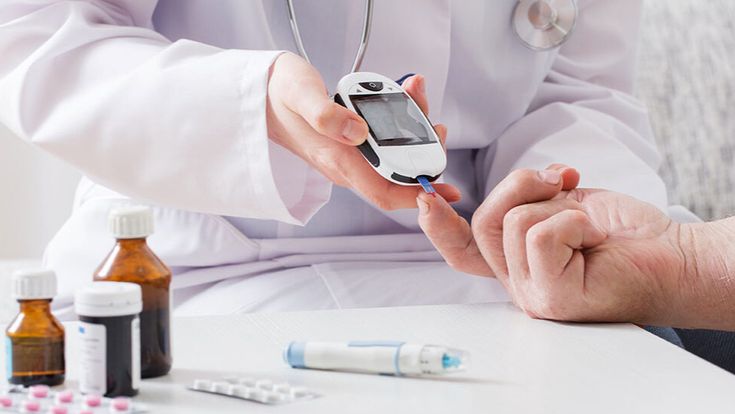
Monitoring blood sugar levels is crucial for diabetes management. It allows individuals to understand how their diet, exercise, and medications affect their blood glucose over time. Regular monitoring can also help in identifying early warning signs of fluctuating blood sugar levels, as symptoms like increased thirst, frequent urination, and fatigue may indicate that blood sugar levels are out of control. Early detection of abnormal blood glucose levels can be pivotal in preventing the progression of diabetes and its associated complications. Thus, maintaining a regular check on blood sugar levels can significantly impact an individual’s overall health and quality of life.
Common Early Signs of Diabetes
Recognizing the early signs of diabetes is crucial for timely intervention and management. Among these signs, increased thirst, frequent urination, fatigue, and blurred vision are the most common indicators.
Increased thirst, scientifically known as polydipsia, occurs as a result of elevated blood sugar levels. When glucose is high in the bloodstream, the kidneys work overtime to filter and excrete the excess sugar through urine, which leads to dehydration. As the body loses more fluid, the individual may experience an intense thirst that prompts the consumption of more water.
Frequent urination, or polyuria, is directly linked to increased thirst. When the kidneys expel excess glucose, it draws water from the body, resulting in more frequent trips to the bathroom. This process can accumulate quickly, causing disturbances in daily activities and impacting the quality of life. Individuals often find themselves awake during the night to use the restroom, which can lead to disrupted sleep.
Fatigue is another common symptom present in early diabetes cases. The body’s cells become less efficient at absorbing glucose, which is essential for energy. Consequently, individuals may feel constantly drained or fatigued, even after adequate rest. This persistent tiredness can affect productivity at work and personal life, as the usual levels of energy become elusive.
Lastly, blurred vision is a symptom that many overlook but can be an early sign of diabetes. Fluctuating blood sugar levels can lead to swelling of the eye’s lens, which affects the ability to focus clearly. If blood sugar levels fluctuate significantly, this can lead to persistent vision problems if left unaddressed.
Identifying these symptoms early on is essential for those who may be at risk for diabetes. If you or someone you know is experiencing these signs, consulting a healthcare professional can lead to a timely diagnosis and effective management of the condition.
Less Known Symptoms to Watch For
While many individuals are aware of the standard signs of diabetes, several less commonly recognized symptoms can also serve as indicators of this condition. Understanding these symptoms is essential for early detection and management of diabetes. One notable symptom is the presence of slow-healing sores or cuts. For individuals with diabetes, high blood sugar levels can impair healing processes, leading to wounds taking longer to close. Consequently, it is crucial to closely monitor any injuries that do not seem to mend within expected timeframes.
In addition to slow-healing wounds, frequent infections are another lesser-known symptom associated with diabetes. Elevated blood sugar has the potential to weaken the immune system, rendering the body more susceptible to infections such as urinary tract infections and skin infections. A recurrent pattern of infections can be an important signal to discuss with a healthcare provider.
An additional sign that may go unnoticed is the appearance of dark patches on the skin, notably in areas like the neck, armpits, or groin. Known as acanthosis nigricans, these patches can indicate insulin resistance, which is a precursor to type 2 diabetes. Recognizing changes in skin texture or coloration can be an essential part of monitoring one’s health.
Unexpected weight loss is also a symptom that not everyone associates with diabetes. Individuals may lose weight despite maintaining their regular eating habits due to the body’s inability to utilize glucose efficiently. This condition results in the body burning fat and muscle for energy instead, leading to noticeable weight fluctuations.
By being vigilant about these less recognized symptoms, individuals can take proactive steps in managing their health. Awareness of these signs is a vital component in the early detection of diabetes, promoting timely intervention and better health outcomes.
Risk Factors for Developing Diabetes
Diabetes mellitus is a significant health concern globally, and understanding the risk factors associated with its development is crucial for prevention. Obesity is one of the primary risk factors, as excess body weight, particularly around the abdomen, adversely affects insulin sensitivity. According to various studies, individuals with a body mass index (BMI) of 30 or higher are at a substantially increased risk of developing type 2 diabetes. Therefore, managing weight through a healthy diet and regular exercise can play a pivotal role in reducing this risk.
Another critical factor is a sedentary lifestyle. Physical inactivity contributes to weight gain and negatively impacts glucose metabolism. Engaging in regular physical activity not only helps in maintaining a healthy weight but also enhances insulin sensitivity. Experts recommend aiming for at least 150 minutes of moderate aerobic exercise weekly to lower the risk of diabetes.
Family history is also a significant risk factor for diabetes. Genetics can play a vital role in the likelihood of developing the condition; individuals with a first-degree relative diagnosed with diabetes are far more likely to develop the disease themselves. Moreover, certain age groups are at a higher risk. For instance, individuals over the age of 45 are encouraged to get screened for diabetes, as the risk tends to increase with age.
Additionally, ethnicity can influence the likelihood of developing diabetes. Research indicates that certain ethnic groups, including African Americans, Hispanic Americans, and Native Americans, are more susceptible to the condition. This disparity emphasizes the importance of awareness and early screening in at-risk populations.
In conclusion, recognizing and understanding these risk factors can empower individuals to make informed lifestyle choices and seek medical guidance, ultimately reducing their risk of developing diabetes.
Importance of Seeking Medical Advice
Early detection of diabetes is crucial for effective management and prevention of severe complications. Individuals experiencing symptoms such as increased thirst, frequent urination, extreme fatigue, or blurred vision must prioritize consulting healthcare professionals. These early signs, often dismissed as minor irritations or a result of lifestyle choices, can indicate underlying metabolic disturbances that require immediate attention.
Seeking medical advice promptly allows for an accurate diagnosis, which can lead to timely interventions. Healthcare professionals can perform necessary tests, such as fasting blood glucose tests or A1C evaluations, to assess an individual’s blood sugar levels and determine whether they meet the criteria for diabetes. These tests can not only confirm a diabetes diagnosis but also help in identifying pre-diabetes, a condition where blood sugar levels are higher than normal but not yet high enough to be classified as diabetes.
Timely diagnosis is essential for initiating lifestyle changes and medical treatments that can mitigate the risk of developing complications associated with diabetes. Chronic complications such as cardiovascular disease, nerve damage, kidney failure, and vision problems can be prevented or delayed with appropriate and early intervention. Moreover, obtaining a clear understanding of one’s health status empowers individuals to make informed decisions regarding their dietary habits, physical activity, and overall wellness.
In summary, individuals experiencing early signs of diabetes must seek medical advice without delay. Health professionals possess the expertise necessary to guide patients through their diagnostic journey, help interpret test results, and formulate a personalized management plan. Prioritizing one’s health through professional consultation is an essential step in navigating the complexities of diabetes and enhancing overall quality of life.
Lifestyle Changes to Mitigate Risks
Diabetes, particularly type 2 diabetes, can often be influenced by lifestyle choices. Implementing healthy habits can significantly mitigate the risk of developing this chronic condition. One of the fundamental adjustments in lifestyle is maintaining a balanced diet. A diet rich in whole grains, vegetables, fruits, lean proteins, and healthy fats is crucial. Specifically, reducing the intake of refined sugars and processed foods can help stabilize blood glucose levels and prevent insulin resistance.
Alongside dietary changes, regular physical activity plays a vital role in managing weight and improving insulin sensitivity. Aim for at least 150 minutes of moderate-intensity exercise each week. Activities can include brisk walking, swimming, or even more vigorous exercises like running or cycling. Incorporating strength training into your routine is also beneficial, as it can enhance muscle mass, leading to better glucose metabolism. Finding enjoyable physical activities can encourage consistency and make it easier to stay active.
Weight management is another essential factor in reducing diabetes risk. Maintaining a healthy body weight not only aids in controlling blood sugar levels but also decreases the probability of developing associated conditions, such as hypertension and heart disease. If you are overweight, even a modest weight loss of 5-10% can yield significant health improvements.
To facilitate these lifestyle changes, consider setting specific, achievable goals. Keep a food diary to monitor your dietary habits, and utilize technology such as fitness apps to track your physical activity. Involve friends and family for support, and don’t hesitate to seek guidance from healthcare professionals. Making incremental changes will help create sustainable habits, ultimately leading towards a healthier lifestyle and a reduced risk of diabetes.
The Importance of Regular Health Screenings
Regular health screenings and check-ups play a crucial role in the early detection of diabetes, especially for individuals who are at a higher risk for developing this condition. Healthcare professionals often recommend routine screenings as a preventive measure, allowing for early intervention that can significantly improve health outcomes. These screenings typically include blood tests that measure blood glucose levels, providing essential data that can indicate a predisposition to diabetes.
Screening Recommendations
The frequency of diabetes screenings can vary depending on individual risk factors such as age, weight, family history, and lifestyle. For instance, the American Diabetes Association suggests that adults aged 45 and older undergo routine screenings every three years. However, younger individuals or those who are overweight or have a family history of diabetes may need to be screened more frequently. Understanding one’s risk level is paramount in making informed decisions about when and how often to get screened.
How Screenings Identify Diabetes Early
Health professionals utilize various screening modalities to identify prediabetes and diabetes. Common tests include the fasting plasma glucose test, the hemoglobin A1C test, and the oral glucose tolerance test. Each of these assessments provides valuable insight into an individual’s blood glucose management over time, revealing potential issues before they escalate into more serious health concerns. Such early detection allows for timely intervention, which can involve lifestyle modifications, regular monitoring, or medication if necessary.
The Role of Healthcare Providers
Healthcare providers are tasked with evaluating an individual’s overall health profile and recommending appropriate screening protocols. It is essential for individuals to engage in honest discussions regarding their health history and potential risk factors. Regular check-ups empower healthcare professionals to guide patients on effective strategies to reduce their risk of diabetes and related complications.
Conclusion: Taking Charge of Your Health
Awareness of the early signs of diabetes is crucial for effective management and prevention of this condition. Throughout this blog post, we have examined various symptoms that may indicate the onset of diabetes, such as increased thirst, frequent urination, fatigue, and blurred vision. Recognizing these warning signs can help individuals seek medical attention promptly, potentially averting the progression of the disease.
It is essential to understand that early diagnosis and intervention can significantly impact one’s quality of life. Individuals who are vigilant about monitoring their health and recognizing the symptoms of diabetes are in a better position to make informed decisions. Regular check-ups, blood glucose level monitoring, and a healthy lifestyle can play pivotal roles in diabetes prevention and management.
Moreover, advocating for oneself within healthcare settings is paramount. Patients should feel empowered to voice their concerns and request the necessary tests, especially if they exhibit any of the early signs associated with diabetes. Building a strong relationship with healthcare professionals can facilitate better outcomes and ensure that any risks are addressed promptly.
In light of the rising prevalence of diabetes globally, fostering an understanding of its early signs is more important than ever. By taking charge of one’s health and being proactive about regular screenings, individuals can take significant steps toward maintaining their overall health. Prioritizing awareness could lead to early interventions that ultimately improve health outcomes and enhance the quality of life. Stay informed, stay vigilant, and take control of your health journey.