


A lot of people do not quit exercising because they are lazy. They quit because the plan they chose is too much of a headache to keep up with. It looks good at the start. It sounds strong. It feels like the kind of routine that should work. Then a normal week happens. Work runs late. Sleep is bad. The body feels heavy. Missing one session turns into missing four, and suddenly the whole thing already feels dead.
That is why the best routine is not always the one that looks hardest on paper. Most of the time, it is the one that still feels possible when life is not cooperating. There has to be enough challenge in it, of course. Otherwise, it starts to feel pointless.
Start With The Week You Actually Have
This sounds obvious, but it is where plenty of routines go wrong. People build them for their ideal week. In that week, there is loads of energy, no stress, enough time, and maybe even a clean living room. It is a nice fantasy. It just does not describe most real weeks.
A better plan starts from what is actually there. That might mean twenty minutes, not an hour. It might mean lower-impact training because the body already feels beaten up by work, commuting, or poor sleep. It might mean choosing something that can still happen even when motivation is flat. Health guidance also encourages people to be active throughout their day, which makes a more realistic routine easier to sustain.
Gentle Is Not The Same As Useless
This is where the language puts people off. Gentle sounds weak. It sounds like the workout will be easy, maybe even forgettable. That is the part people get wrong.
A session can feel calmer and still work the body properly. Muscles do not need chaos to switch on. In fact, some of the hardest work happens when movement slows down, and there is nowhere to hide. A hold starts to shake. A controlled movement gets tougher halfway through. The body has to stay involved instead of rushing to the end.
That kind of effort feels different. It is not always dramatic. It does not always leave the room looking like a boot camp set. But it can still be very real. For a lot of people, that is exactly the point. They want to feel challenged, not attacked.
Supportive Training Feels Different In The Body
Some workouts leave people feeling strong afterwards. Others leave them irritated, flattened, or strangely tense. That difference matters. It changes whether the next session feels possible or whether it starts to feel like a threat.
Supportive training usually has a steadier feel to it. The movement is more controlled. The body has time to settle into the work. The challenge builds without turning into a frantic effort. That can be a big relief for anyone who is tired of exercise that feels like punishment dressed up as discipline.
This is one reason Pilates-based training makes sense for so many people. Pilates is designed to improve strength, flexibility, and balance, which helps explain why it can feel supportive without feeling pointless.
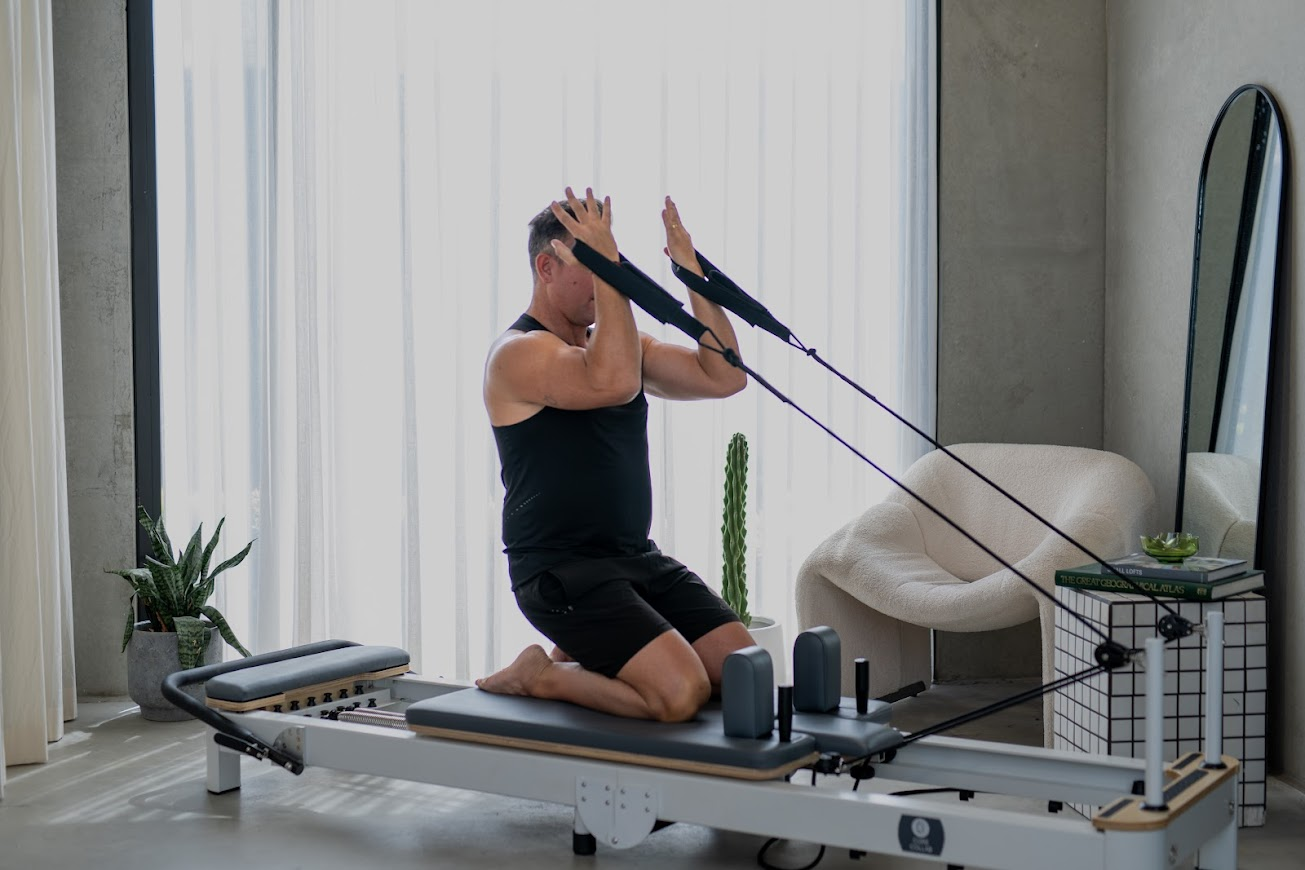
It tends to create work without creating as much chaos. For somebody building a home setup, a small pilates bed for home can be appealing because it makes the session feel more structured while still keeping things lower impact. It does not have to turn the workout into something dull. It just gives the body a different way to work.
Challenge Does Not Need To Be Loud
A lot of people have been taught to measure exercise in the least useful ways possible. More sweat must mean better. More soreness must mean progress. More intensity must mean success. That kind of thinking has done a lot of damage, mostly because it pushes people toward routines they cannot keep.
Challenge can come from much quieter things. Better control. Longer tension. Slower movement. Cleaner positioning. A more honest range of motion. None of that looks flashy, but the body knows the difference. The work becomes harder because it is being done more properly, not because the session is trying to overwhelm the person doing it.
Make The Routine Easy To Begin
People talk a lot about consistency, but not enough about what gets in the way of starting. Sometimes it is not a lack of commitment. Sometimes the routine just feels too annoying to begin. Too much setup. Too much pressure. Too much decision-making before the session has even started.
A good routine removes some of that friction. It is clear. It is repeatable. It does not ask the person to become a different version of themselves every time they want to move. That matters more than most advice around fitness lets on.
Once starting becomes easier, repetition becomes easier too. And repetition is where most of the useful stuff actually happens. Not in one heroic workout. Not in the session that leaves someone crawling to the sofa. In the ones that happen often enough to build into something.
A Routine That Lasts Usually Looks Less Exciting At First
This is the part many people resist at first. The routine that ends up working is often not the one that sounds the most intense. It might be shorter. It might be calmer. It might not look especially impressive from the outside. That does not make it weak. It usually makes it realistic.
A lot of plans fall apart because they are built for a version of life that does not exist for very long. The better routine is usually the one that can handle tired days, busy weeks, and normal dips in motivation without collapsing the moment things feel off.
That is what gives it staying power. Not punishment. Not chasing extremes. Just a way of training that feels challenging enough to matter and manageable enough to keep coming back to.