
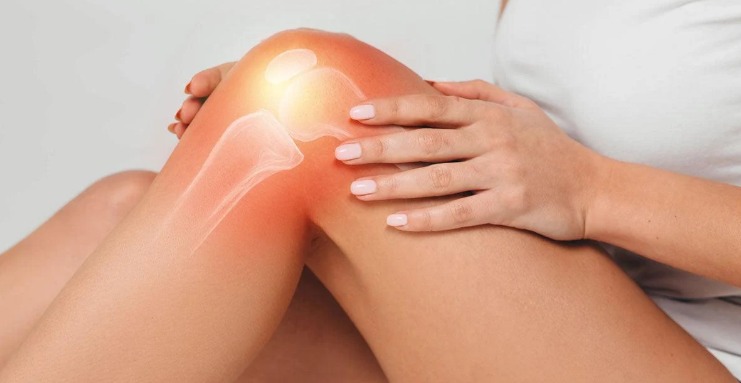


Knee pain can affect walking, stairs, exercise, work, and sleep. It may come from a sudden injury, gradual overload, arthritis, irritation around the kneecap, or weakness in nearby muscles. A physiotherapist focuses on identifying the likely source of pain and matching treatment to movement needs.
A well-planned physiotherapy approach usually combines symptom relief, strength work, mobility training, and practical education. The goal is not only to reduce discomfort, but also to improve confidence with daily activity and lower the chance of repeated flare-ups.
Assessment Before Treatment Begins
Treatment usually starts with a detailed assessment. This may include questions about when pain started, what makes it better or worse, previous injuries, activity level, footwear, work demands, and general health. These details help guide safe and appropriate care.
The physical exam may look at knee range of motion, swelling, tenderness, strength, balance, walking pattern, and how the hip, ankle, and foot move. The knee rarely works alone, so surrounding joints often provide important clues.
Education and Activity Modification
One of the most useful early treatments is clear education. A physiotherapist may explain what movements are currently irritating the knee, which activities are safe to continue, and how to adjust training or daily tasks without complete rest.
Activity modification can include reducing running distance, changing stair habits, taking short movement breaks, adjusting squat depth, or spacing out intense sessions. The aim is to keep the knee moving within a manageable level, while avoiding repeated overload.
Exercise-Based Knee Rehabilitation
Therapeutic exercise is a core part of many knee pain treatment plans. Exercises are selected based on the condition, pain level, and functional goals. They usually progress from controlled, low-load movements to more demanding strength and balance tasks.
Strengthening Exercises
Weakness in the quadriceps, hamstrings, gluteal muscles, or calves can place extra stress on the knee. Strengthening may include straight leg raises, bridges, step-ups, wall sits, calf raises, or resisted hip exercises.
For some people, slow and controlled strengthening is especially helpful because it improves load tolerance. Progress is usually gradual, since doing too much too soon can increase irritation.
Mobility and Flexibility Work
Limited mobility in the knee, hip, or ankle can change how force travels through the leg. A physiotherapist may recommend a gentle range of motion exercises, stretching for tight muscle groups, or mobility drills that support smoother movement.
- Heel slides to improve knee bending
- Calf stretching to support ankle movement
- Hip flexor mobility to reduce compensation
- Gentle hamstring stretching when appropriate
Hands-On Treatment Techniques
Manual therapy may be used to reduce stiffness, improve joint motion, or ease soft tissue sensitivity. This can include joint mobilization, soft tissue techniques, or guided movement with light pressure. Hands-on care is often paired with exercise for longer-lasting benefit.
Manual treatment is not usually the entire plan. It works best when it helps a person move more comfortably, so they can strengthen, walk, climb stairs, or return to activity with better control.
Pain Relief and Swelling Management
When the knee is swollen or irritated, early treatment may focus on calming symptoms. A physiotherapist may suggest pacing, compression, elevation, gentle movement, or short-term use of cold or heat depending on the situation.
Swelling can limit muscle function and make the knee feel unstable. Reducing swelling often helps exercises feel easier and improves the quality of walking and bending.
Balance, Control, and Movement Retraining
Knee pain is often influenced by how the leg moves during squatting, landing, running, or stair climbing. Movement retraining may include practising alignment, improving single-leg balance, or learning how to absorb force through the hips and ankles.
For active individuals, a sports physio approach may include sport-specific drills such as cutting, hopping, acceleration, deceleration, or landing practice. These exercises are introduced only when strength and symptoms are ready for higher loads.
Taping, Bracing, and Support Options
Taping or bracing may be suggested for short-term support, comfort, or feedback during movement. These tools can be helpful for kneecap tracking issues, ligament irritation, or activity-related symptoms, depending on the assessment findings.
Supportive devices are usually considered temporary aids rather than permanent solutions. They may help a person stay active while strength, mobility, and control are being rebuilt.
Gradual Return to Activity
A safe return to activity depends on symptoms, strength, movement quality, and confidence. Progress may involve walking tolerance, stair goals, strength benchmarks, jogging intervals, or controlled sport drills before full participation.
Knee pain treatment is most effective when it is specific, progressive, and realistic. With the right mix of education, exercise, symptom management, and movement practice, many people can improve function and return to activities with greater comfort.