


Understanding Bone Health and Nutritional Needs
Bone health is a crucial aspect of overall well-being that often receives insufficient attention. Strong bones serve as the framework of the body, supporting both physical mobility and the protection of vital organs. A balanced diet rich in essential nutrients is vital to maintaining bone density and preventing conditions such as osteoporosis.
Calcium is perhaps the most well-known nutrient associated with bone health. This mineral is fundamental for building and maintaining strong bones throughout life. It is essential for the development of bone structure in children and adolescents, and critical for older adults to prevent bone density loss. Adults require approximately 1,000 mg of calcium per day, increasing to 1,200 mg for women over the age of 50 and men over 70. Food sources rich in calcium include dairy products, green leafy vegetables, and fortified foods, all vital components of a nutritious diet.
However, calcium is no
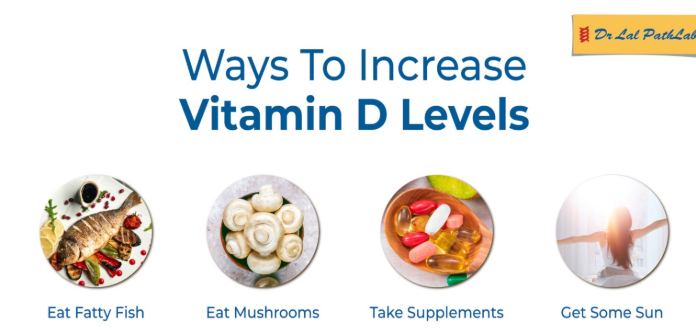
t the only nutrient that plays a critical role in bone health. Vitamin D is equally significant, as it facilitates the absorption of calcium in the body. Sources of vitamin D include sunlight, fatty fish, and fortified milk. Without adequate Vitamin D levels, the body may struggle to absorb calcium, potentially leading to weakened bone structure.
Other nutrients, such as magnesium and vitamin K, also contribute to optimal skeletal health. Magnesium helps in bone formation, and vitamin K plays a role in bone mineralization, aiding calcium retention in the bones. A deficiency in any of these nutrients can lead to weakened bone density, heightening the risk of fractures and conditions like osteoporosis.
Inadequate intake of these necessary nutrients can have severe consequences. Osteoporosis, a condition characterized by fragile bones and an increased risk of fractures, can arise from prolonged deficiencies. Maintaining a balanced diet rich in bones-strengthening nutrients is crucial for individuals of all ages to promote robust bone health and prevent long-term complications.
Top Sources of Calcium for Optimal Bone Strength
Calcium is a vital mineral for maintaining strong bones and overall skeletal health. It is essential for bone formation and density, making it important to incorporate calcium-rich foods into our diet. Both dairy and non-dairy options can provide the necessary calcium to help meet daily requirements.
Dairy products are among the most well-known sources of calcium. Milk, yogurt, and cheese are rich in this nutrient, making them excellent choices for those who consume animal products. For instance, one cup of milk typically contains about 300 mg of calcium, while a serving of yogurt can provide even more. Cheese varieties, such as mozzarella and cheddar, also offer considerable calcium levels, with two ounces delivering around 400 mg of calcium.
For individuals who are lactose intolerant or prefer non-dairy options, there are plenty of alternatives to consider. Leafy green vegetables, such as kale, broccoli, and collard greens, are good sources of calcium. A cup of cooked kale, for example, can provide around 200 mg of calcium. Additionally, fortified foods such as plant-based milk (like almond, soy, or oat milk) and certain cereals can also be enriched with calcium to help meet daily needs.
Other noteworthy sources include fish with edible bones, such as sardines and canned salmon, which not only offer calcium but also omega-3 fatty acids. Nuts and seeds, particularly almonds and sesame seeds, contribute to calcium intake as well. Finally, tofu, especially when prepared with calcium sulfate, serves as an excellent source for those following vegetarian or vegan diets.
The recommended daily intake of calcium varies by age and gender, but for most adults, it is around 1,000 mg per day. Women over 50 and men over 70 may need up to 1,200 mg daily. By understanding the various food sources available, individuals can structure their diets to ensure they are meeting their calcium needs effectively.
The Role of Vitamin D in Bone Health
Vitamin D plays a crucial role in maintaining bone health, largely due to its significant influence on calcium absorption in the body. Strong bones rely on an adequate supply of both calcium and Vitamin D, as these nutrients work synergistically to ensure proper bone mineralization. Insufficient Vitamin D levels can lead to compromised calcium metabolism, ultimately resulting in weakened bones and an increased risk of fractures.
Natural sources of Vitamin D include fatty fish such as salmon, mackerel, and sardines, as well as fortified foods like certain dairy products, orange juice, and cereals. Additionally, egg yolks contain small amounts of this essential vitamin. However, for many individuals, sunlight remains the most accessible source of Vitamin D. When the skin is exposed to ultraviolet (UV) rays, it can synthesize Vitamin D naturally. This process highlights the importance of regular sun exposure, especially in regions with limited sunlight or during winter months, where dietary intake may not suffice.
Dietary recommendations suggest that adults should aim for a daily intake of 600 to 800 international units (IUs) of Vitamin D, although factors such as age, geographic location, and individual health conditions can influence these requirements. It is essential to consider balance, as excessive Vitamin D can lead to toxicity, which may cause hypercalcemia and other health complications. For effective bone health, it is advisable to combine Vitamin D-rich foods with regular moderate sun exposure while monitoring blood levels to ensure optimal amounts without the risk of deficiency or excess.
In conclusion, maintaining adequate levels of Vitamin D is vital for optimal bone health, making it imperative for individuals to seek natural sources through diet and sunlight exposure. By doing so, one can significantly enhance calcium absorption and promote stronger, healthier bones.
Magnesium: An Unsung Hero for Bone Integrity
Magnesium plays a critical yet often overlooked role in maintaining strong bones and overall skeletal health. While calcium frequently garners attention for its importance in bone formation, magnesium contributes significantly to bone structure and function. It is a vital mineral that aids in the conversion of vitamin D into its active form, enhancing calcium absorption and utilization in the body. The interplay between magnesium, calcium, and vitamin D is essential for optimal bone support.
In the context of bone health, magnesium is involved in the structural development of bone by facilitating the incorporation of calcium into bone. It helps regulate osteoblast function, the cells responsible for bone formation, while also influencing osteoporosis risk. Inadequate magnesium intake has been linked to increased bone fragility and a higher likelihood of fractures, further emphasizing its necessity for preserving bone integrity.
Dietary sources of magnesium include a variety of foods, which can help individuals achieve the recommended intake levels and support bone health. Foods rich in magnesium include leafy green vegetables, such as spinach and Swiss chard, nuts and seeds, particularly almonds and pumpkin seeds, as well as whole grains and legumes. Additionally, fish such as mackerel and salmon provide beneficial amounts of this essential mineral.
To optimize bone health, it is important to consume adequate amounts of magnesium consistently alongside calcium and vitamin D. This synergistic relationship helps ensure the nutrients collaborate effectively in promoting robust bone structure and mitigating the risks associated with bone-related ailments. By recognising magnesium as an essential component of bone health, individuals can make more informed dietary choices that support their skeletal wellness.
Vitamin K and Its Impact on Bone Metabolism
Vitamin K plays a crucial role in bone health, primarily through its involvement in the synthesis of osteocalcin, a protein responsible for binding calcium in the bones. This process is essential for maintaining bone density and overall skeletal strength. A deficiency in vitamin K may impair the function of osteocalcin, which can lead to weakened bones and increase the risk of fractures.
Moreover, vitamin K contributes to the regulation of calcium within the bones. It ensures that calcium, which is vital for bone structure, is properly utilized and incorporated into the bone matrix. Without adequate vitamin K levels, bones may not absorb calcium effectively, leading to potential deficiencies that can exacerbate bone-related issues, such as osteoporosis.
Several food sources are particularly rich in vitamin K, making it easier to include this important nutrient in a balanced diet. Leafy green vegetables such as kale, spinach, and collard greens are among the best sources. Additionally, other vegetables, including broccoli and Brussels sprouts, also offer significant amounts of vitamin K. For those who prefer non-vegetable sources, foods like fermented soy products (such as natto) and certain dairy products contribute beneficial amounts of vitamin K, helping to enhance bone health.
Incorporating a variety of these foods into daily meals can support optimal vitamin K levels, which is essential for ensuring proper bone metabolism and protecting against age-related bone degeneration. Understanding the significance of vitamin K in bone health can empower individuals to make informed dietary choices that promote long-term skeletal strength.
Phosphorus: Building Blocks of Strong Bones
Phosphorus is a vital mineral that plays a crucial role in maintaining the integrity and health of bones. It is the second most abundant mineral in the human body, primarily found in bones and teeth, where it works closely with calcium to ensure strength and density. The proper balance of phosphorus and calcium is essential for bone formation, making it a key focus for those looking to improve their overall bone health.
This mineral contributes significantly to bone density; it aids in the formation of hydroxyapatite—an essential component of bone tissue. Hydroxyapatite’s presence allows bones to withstand pressure and remain robust as we age. If phosphorus levels are insufficient, bones can become less dense, leading to an increased risk of fractures and osteoporosis.
Food sources rich in phosphorus include dairy products, meat, fish, nuts, beans, and whole grains. For instance, dairy products like milk and yogurt not only provide calcium but also contain substantial phosphorus. Similarly, meat and fish offer phosphorus in highly bioavailable forms, making them excellent choices for enhancing mineral intake. Plant-based foods such as beans and lentils are also good sources of phosphorus, particularly for those following vegetarian or vegan diets. However, it is essential to consume these foods as part of a balanced diet to maximize their benefits.
The recommended dietary intake of phosphorus varies by age and sex. For most adults, it is approximately 700 mg per day, which can typically be met through a varied and balanced diet. It is important to monitor phosphorus intake, as excessive consumption through processed foods and soft drinks can lead to health complications, including impaired calcium absorption and an increased risk of cardiovascular disease.
In conclusion, phosphorus is a fundamental nutrient vital for strong bones. Ensuring adequate dietary intake through a variety of food sources will support bone density and overall skeletal health, providing the building blocks necessary for maintaining robust and healthy bones throughout life.
The Importance of a Balanced Diet for Bone Health
Maintaining strong bones is crucial to overall health, and it requires more than just adequate calcium intake. A holistic approach to nutrition is essential for promoting optimal bone health. This approach encompasses a variety of nutrients that work synergistically to support bone density, strength, and resilience.
Calcium is often recognized as a primary nutrient for bone health, yet its effectiveness is significantly enhanced when paired with other essential vitamins and minerals. For instance, vitamin D plays a crucial role in calcium absorption in the body. Without sufficient vitamin D, the body may not effectively utilize calcium, leading to weakened bones. Foods rich in vitamin D, such as fatty fish, egg yolks, and fortified products, should be integrated into the diet to ensure effective calcium metabolism.
Moreover, magnesium and phosphorus are key minerals that contribute to bone strength. Magnesium aids in converting vitamin D into its active form, while phosphorus helps in forming bone structure. Including foods such as nuts, seeds, whole grains, and legumes can help meet daily requirements for these vital nutrients.
Vitamin K also plays an important role in promoting bone health by contributing to the regulation of calcium in the bones and bloodstream. Leafy greens like kale and spinach are excellent sources of vitamin K and should be incorporated into daily meals.
Additionally, protein is fundamental for bone health. It provides the building blocks necessary for bone tissue repair and regeneration. Sources such as lean meats, dairy products, legumes, and nuts can ensure adequate protein intake. A well-rounded diet that includes diverse foods from various food groups is essential, as each nutrient adds a layer of support for maintaining strong bones.
In conclusion, focusing solely on calcium is insufficient for optimal bone health. A balanced diet that includes a spectrum of nutrients, encompassing vitamins and minerals, is fundamental. By adopting this holistic approach, individuals can significantly improve their bone density and overall skeletal health.
Foods to Limit for Better Bone Health
Maintaining strong bones requires not only a focus on beneficial nutrients but also an awareness of foods and substances that may detract from bone health. Important elements to consider include excessive sodium, caffeine, and sugar, as each can negatively influence bone density and overall skeletal integrity.
High sodium intake, often found in processed foods and added table salt, can lead to increased calcium excretion through urine. This loss of calcium is detrimental, as it can weaken bones over time and elevate the risk of fractures. Therefore, it is advisable to limit the consumption of foods high in sodium, such as fast foods, canned soups, and snack items, while opting for fresh ingredients and home-cooked meals that allow for better control of salt content.
Caffeine, commonly consumed in coffee, tea, and various sodas, has been linked to lower calcium absorption and may contribute to the leaching of calcium from bones. While moderate coffee consumption is generally acceptable, overindulgence can pose a risk to bone health. It is recommended to limit caffeine intake to a reasonable level, ideally less than 400 mg per day, to mitigate any adverse effects on bone density.
Additionally, excessive sugar intake poses significant concerns for bone health. High sugar consumption can lead to weight gain and various metabolic issues, both of which can impair bone health. Foods high in added sugars, such as sugary drinks, desserts, and sweets, should be limited. Replacing high-sugar foods with natural alternatives, like fruits, can promote better overall health and aid in maintaining strong bones.
In conclusion, a balanced approach involves being mindful of the quantity and quality of foods consumed. By moderating sodium, caffeine, and sugar intake, individuals can significantly contribute to the preservation of bone health and reduce the likelihood of osteoporosis and related conditions.
Lifestyle Factors That Support Bone Health
In addition to proper nutrition, various lifestyle factors significantly contribute to maintaining and enhancing bone health. One of the most impactful non-dietary elements is weight-bearing exercise. Engaging in activities that put stress on the bones encourages them to become stronger and denser. These exercises include walking, jogging, dancing, and resistance training. Incorporating this type of exercise into a regular routine can stimulate bone growth and maintenance, making it essential for individuals of all ages.
Moreover, lifestyle habits play a crucial role in overall bone health. For instance, smoking has been linked to decreased bone density, making one susceptible to fractures and osteoporosis. Therefore, avoiding smoking and limiting alcohol consumption can be beneficial for bone integrity. Excessive alcohol intake can interfere with calcium absorption and disrupt the body’s ability to form bone, thus it is advisable to consume alcoholic beverages in moderation.
Another significant factor is the importance of regular medical check-ups. Visits to healthcare professionals can help in assessing bone health and identifying potential issues before they become serious. Screening for conditions such as osteoporosis can lead to early intervention, which is crucial in maintaining strong bones. Medical consultations also provide opportunities to discuss bone health and any lifestyle adjustments that may be needed to improve bone density.
Finally, adequate sunlight exposure should not be overlooked. Sunlight is a natural source of vitamin D, which is essential for calcium absorption—a core component of bone strength. Ensuring a balance of sufficient sunlight exposure while also incorporating dietary sources of vitamin D can further support bone health. Altogether, these lifestyle factors—exercise, avoidance of harmful habits, regular health check-ups, and adequate sunlight—complement a nutrient-rich diet and promote the maintenance of strong bones.