
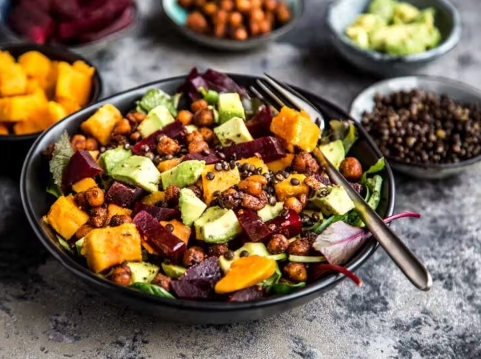


Understanding Cholesterol: The Good and the Bad
Cholesterol is a waxy, fat-like substance that is found in every cell of the body and is necessary for the production of hormones, vitamin D, and substances that help digest foods. There are two primary types of cholesterol that are commonly referred to in discussions of heart health: low-density lipoprotein (LDL) and high-density lipoprotein (HDL).
LDL, known as “bad” cholesterol, plays a crucial role in the development of atherosclerosis, which involves the buildup of plaque in the arteries. This can lead to narrowing of the arteries, increasing the risk of heart disease and stroke. The higher the levels of LDL in the blood, the greater the chance of plaque formation, which can obstruct blood flow and cause significant cardiovascular problems.
Conversely, HDL is often labeled as “good” cholesterol. This designation is due to HDL’s protective role in the cardiovascular system. It works by transporting cholesterol away from the arteries and back to the liver, where it is either processed or eliminated from the body. Higher levels of HDL are associated with a lower risk of heart disease, as it helps reduce the amount of LDL cholesterol and prevent its harmful buildup.
It is critical to maintain a healthy balance between these types of cholesterol to promote overall health. Health professionals generally recommend maintaining lower levels of LDL and higher levels of HDL. Lifestyle factors such as diet, exercise, and weight management play vital roles in regulating cholesterol levels. By understanding the differences and functions of LDL and HDL, individuals can make informed decisions to support their cardiovascular health.
The Role of Diet in Cholesterol Management
Diet plays a pivotal role in managing cholesterol levels, as it directly influences the types and quantities of fats consumed, which can subsequently affect overall health. The two primary forms of cholesterol present in the body are low-density lipoprotein (LDL), often referred to as “bad” cholesterol, and high-density lipoprotein (HDL), known as “good” cholesterol. A balanced diet, rich in essential nutrients, can lower LDL levels and promote higher HDL levels, contributing to better cardiovascular health.
Certain food categories have a beneficial effect on cholesterol management. For example, foods high in soluble fiber, such as oats, beans, lentils, and fruits, have been shown to reduce LDL cholesterol levels. Soluble fiber binds with cholesterol in the intestines, preventing its absorption into the bloodstream. Meanwhile, incorporating healthy fats from sources like avocados, nuts, and olive oil can enhance HDL cholesterol levels, providing a protective effect against heart disease.
On the other hand, trans fats and saturated fats can raise LDL levels. These types of fats are commonly found in processed foods, red meat, and full-fat dairy products. Limiting the intake of these foods is crucial for maintaining healthy cholesterol levels. Additionally, replacing unhealthy fats with healthier options can lead to improved lipid profiles.
Moreover, including a variety of plant-based foods in the diet can contribute significantly to cholesterol management. Foods rich in antioxidants, such as fruits and vegetables, not only improve overall health but also support heart health through their cholesterol-lowering properties. It is important to consider portion sizes and overall dietary patterns, as excessive calorie intake can lead to weight gain and negatively impact cholesterol levels.
In conclusion, the role of diet in cholesterol management is significant and should not be overlooked. By making informed dietary choices, individuals can effectively manage their cholesterol levels and improve their overall health.
Incorporating Healthy Fats: Omega-3 and Monounsaturated Fats
Maintaining healthy cholesterol levels is paramount for overall cardiovascular health, and one effective method of achieving this is through the incorporation of healthy fats in your diet. Key among these are omega-3 fatty acids and monounsaturated fats, both of which play a vital role in managing cholesterol.
Omega-3 fatty acids are renowned for their myriad health benefits, particularly their ability to lower triglycerides and reduce arterial inflammation. These essential fats are primarily found in fatty fish, such as salmon, mackerel, and sardines. In addition to seafood, omega-3s can also be sourced from plants. For instance, walnuts and flaxseeds are excellent plant-based options that are rich in these beneficial fats. Regular consumption of foods high in omega-3s can contribute significantly to lowering total cholesterol levels and improving heart health.
On the other hand, monounsaturated fats are recognized for their capacity to effectively enhance heart health by increasing good cholesterol (HDL) levels while simultaneously lowering bad cholesterol (LDL) levels. These healthy fats are predominantly found in olive oil, which serves as an excellent alternative to saturated fats often found in butter and margarine. Avocados are another rich source of monounsaturated fats that can easily be integrated into various meals, adding both nutrients and flavor.
Incorporating healthy fats into your diet does not mean excessive consumption; moderation is key. Balancing these fats with other food groups, such as fruits, vegetables, and whole grains, creates a symbiotic relationship that contributes to a heart-healthy lifestyle. By consciously including omega-3 fatty acids and monounsaturated fats in your diet, you are taking significant strides toward achieving and maintaining healthy cholesterol levels.
Emphasizing Fiber-Rich Foods
The role of soluble fiber in maintaining healthy cholesterol levels is well-documented. Soluble fiber is a type of dietary fiber that dissolves in water and forms a gel-like substance in the gut. This characteristic enables it to bind with cholesterol in the digestive system, aiding in the reduction of overall cholesterol levels in the body. Consuming a sufficient amount of soluble fiber can thus promote heart health by lowering bad cholesterol (LDL) levels.
High-fiber foods such as oats, beans, lentils, and various fruits are excellent sources of soluble fiber. Oats, for instance, contain beta-glucan, a specific type of soluble fiber that has beneficial effects on cholesterol. Incorporating oats into breakfast or snacks can be an effective strategy for those looking to improve their cholesterol levels.
Beans and lentils are also powerful allies in the search for managing cholesterol. These legumes are not only rich in soluble fiber, but they also provide protein and essential nutrients, making them a perfect addition to a heart-healthy diet. Their versatile nature allows them to be included in various meals, from salads to soups.
Fruits such as apples, citrus fruits, and berries are other excellent choices for increasing fiber intake. These fruits not only contribute to fiber consumption but are also packed with vitamins and antioxidants that support overall cardiovascular health. For example, apples contain pectin, another soluble fiber that helps lower cholesterol.
To effectively manage cholesterol levels, it is recommended to gradually increase fiber intake, allowing the digestive system to adjust. Aiming for a daily total of 25 to 30 grams of dietary fiber is generally advised. Prioritizing fiber-rich foods, along with maintaining other healthy dietary habits, can significantly enhance heart health and cholesterol management.
Choosing Whole Grains Over Refined Grains
Whole grains and refined grains serve distinct roles in our diet, particularly when it comes to managing cholesterol levels. Whole grains, which include options such as brown rice, quinoa, oats, and whole wheat bread, are integral to a heart-healthy diet. They maintain the bran and germ portions of the grain, which are rich in nutrients and fiber. This nutritional profile plays a significant role in supporting cardiovascular health.
In contrast, refined grains have been processed to remove these beneficial components, resulting in a loss of essential nutrients and fiber. Common examples of refined grains include white rice, white bread, and many types of pasta. While they may be more palatable and have a longer shelf life, their lower fiber content can adversely affect cholesterol levels. Hemostatic effects of fiber, particularly soluble fiber found in whole grains, have been shown to help lower total and LDL cholesterol, thereby reducing cardiovascular risks.
Moreover, whole grains contain beneficial phytochemicals and antioxidants, which have been linked to improved heart health. Regular consumption of whole grains is associated with reduced cholesterol absorption in the intestines and increased excretion of cholesterol. As individuals endeavor to maintain healthy cholesterol levels, incorporating whole grains into daily meals can be a simple yet impactful strategy. Adopting foods like quinoa and barley not only enhances nutritional intake but also fosters a healthier metabolic balance.
In conclusion, by prioritizing whole grains over refined alternatives, individuals can potentially improve their cholesterol levels while enjoying the various health benefits that these grains provide.
Incorporating Fruits and Vegetables: A Key Ingredient
Fruits and vegetables play a crucial role in a cholesterol-lowering diet, offering a wealth of nutrients that contribute to improved heart health. The consumption of a diverse range of fruits and vegetables not only enhances overall dietary quality but is also essential for maintaining healthy cholesterol levels. A varied palette of colors in fruits and vegetables indicates a range of nutrients and phytochemicals that can provide significant health benefits.
One of the primary factors contributing to the cholesterol-lowering effect of fruits and vegetables is their high fiber content. Soluble fiber, found in foods such as apples, oranges, and carrots, helps to lower LDL cholesterol, often referred to as “bad” cholesterol, by binding to bile acids in the digestive system. This binding process reduces the amount of cholesterol absorbed into the blood. Additionally, soluble fiber promotes satiety, which can aid in weight management—another critical aspect of heart health.
Incorporating a variety of brightly colored fruits and vegetables into the diet not only makes meals more visually appealing but also maximizes nutrition. For instance, dark leafy greens such as spinach and kale provide essential vitamins and minerals, while antioxidant-rich berries, such as blueberries and strawberries, combat oxidative stress in the body. Such oxidative stress can contribute to inflammation and artery blockage, both of which are detrimental to heart health.
The inclusion of cruciferous vegetables like broccoli and Brussels sprouts has also been linked to improved cholesterol metrics due to their unique combination of nutrients, including vitamins C, K, and various antioxidants. Moreover, the phytonutrients found in these vegetables may improve overall cardiovascular function. As such, health professionals consistently recommend that individuals aim for at least five servings of fruits and vegetables daily to substantially support heart health and achieve optimal cholesterol levels.
Incorporating a wide variety of fruits and vegetables can make a significant difference in reducing cholesterol levels, bolstering heart health, and promoting overall well-being. They serve as an essential dietary foundation for anyone aiming to manage their cholesterol effectively.
Limiting Saturated and Trans Fats
Maintaining healthy cholesterol levels is crucial for overall heart health, and one of the key dietary factors influencing cholesterol is the intake of saturated and trans fats. Saturated fats, typically found in animal products such as fatty cuts of meat, full-fat dairy products, and certain oils, can raise levels of low-density lipoprotein (LDL) cholesterol, commonly referred to as ‘bad’ cholesterol. On the other hand, trans fats, often present in processed foods, margarine, and some baked goods, are specifically known to significantly elevate LDL cholesterol while simultaneously lowering high-density lipoprotein (HDL) cholesterol, or ‘good’ cholesterol.
Reducing the consumption of these harmful fats is essential in promoting healthier cholesterol levels. One effective strategy is to opt for leaner cuts of meat, such as poultry or fish, which can provide protein without the excessive saturated fat. It is also advisable to incorporate more plant-based protein sources into the diet, such as beans, legumes, and nuts. These alternatives not only help in diminishing the intake of unhealthy fats but also provide beneficial fiber and nutrients that support overall wellness.
When consuming dairy products, choosing low-fat or fat-free versions can be an excellent option for cutting down saturated fat. Additionally, cooking methods can play a significant role; for instance, baking, steaming, or grilling food instead of frying helps minimize fat intake. Processed and packaged goods often contain hidden trans fats, so reading food labels is essential to identify and avoid these items. Look for terms such as “partially hydrogenated oils” in ingredient lists, as this signals the presence of trans fats.
Educating oneself about food choices is pivotal in fostering a diet that supports healthy cholesterol levels. By making informed decisions and minimizing saturated and trans fats, individuals can enhance their heart health significantly. This proactive approach not only helps in managing cholesterol but also contributes to overall dietary wellness.
The Importance of Portion Control and Balanced Meals
Maintaining healthy cholesterol levels is significantly influenced by dietary choices, particularly through the practice of portion control and the assembly of balanced meals. Portion control refers to the management of serving sizes to ensure that one is not consuming excessive amounts of any particular food group. This practice is essential for maintaining a healthy weight, which plays a critical role in cholesterol management. When individuals exceed their caloric needs, they may experience weight gain, which can negatively impact their cholesterol levels.
Incorporating a variety of nutrients in one’s diet is equally important. Balanced meals typically consist of a mix of macronutrients: carbohydrates, proteins, and healthy fats, all of which contribute to overall health and cholesterol balance. For instance, whole grains provide beneficial fiber, which is known to help reduce LDL cholesterol levels. Lean proteins, such as fish and poultry, should be preferred over red meats, as they can minimize saturated fat intake—another contributor to unhealthy cholesterol levels.
When planning meals, individuals should be mindful of the composition of their plates. A general guideline is to aim for half of one’s plate to be filled with fruits and vegetables, a quarter with whole grains, and the remaining quarter with protein sources. This not only aids in achieving nutrient diversity but also assists in natural portion control, as the fiber from fruits and vegetables can enhance feelings of satiety.
To implement effective meal planning focused on moderation, individuals can utilize methods such as mindful eating, which encourages paying attention to hunger and fullness cues. Additionally, consulting a registered dietitian can provide personalized guidance tailored to individual dietary needs and preferences, further supporting the goal of maintaining healthy cholesterol levels.
Lifestyle Changes Beyond Diet for Better Cholesterol Levels
A comprehensive approach to managing cholesterol levels involves not just dietary changes, but also significant lifestyle adjustments. Regular exercise is one of the most beneficial activities that individuals can incorporate into their daily routines. Engaging in moderate to vigorous physical activity for at least 150 minutes per week can help raise high-density lipoprotein (HDL) cholesterol, commonly referred to as “good” cholesterol. Activities such as brisk walking, jogging, swimming, or cycling can be effective in enhancing cardiovascular health.
In addition to exercise, maintaining a healthy weight is crucial for optimal cholesterol management. Excess body weight can adversely affect cholesterol levels, leading to higher low-density lipoprotein (LDL) cholesterol and lower HDL cholesterol. By achieving and sustaining a healthy weight through balanced dietary practices and regular physical activity, individuals can enhance their overall cholesterol profile effectively.
Avoiding tobacco smoke is another important lifestyle change that can positively influence cholesterol levels. Studies have shown that smoking can lower HDL cholesterol while increasing LDL cholesterol and triglycerides. Quitting smoking not only improves cholesterol levels but also contributes to better cardiovascular health and lowers the risk of heart disease.
Stress management is also an often-overlooked component of maintaining healthy cholesterol levels. Prolonged stress can lead to unhealthy eating habits, physical inactivity, and overall poor lifestyle choices. Techniques such as meditation, yoga, and mindfulness can help mitigate stress and promote a healthier lifestyle.
In conclusion, by integrating these lifestyle changes, which include regular exercise, maintaining a healthy weight, avoiding tobacco smoke, and managing stress, individuals can support their dietary efforts to maintain healthy cholesterol levels and improve their overall health. These modifications together create a robust framework for enhancing cardiovascular health and reducing the risk of cholesterol-related complications.