


Introduction to Flexibility and Mobility Training
Flexibility and mobility training are essential components of physical fitness that play a crucial role in injury prevention and overall athletic performance. Flexibility refers to the range of motion (ROM) available at a joint or group of joints, whereas mobility encompasses not just the range of motion but also the ability to control movement through that range. Both flexibility and mobility are vital for functioning optimally in daily activities and sports.
The importance of flexibility cannot be understated; it allows for appropriate muscle lengthening and optimal functional movement. Improved flexibility can enhance physical performance by enabling better movements in various sports, leading to greater efficiency and potentially reducing the risk of injury. Conversely, limited flexibility can result in muscle imbalances, which may contribute to strain and injuries over time.
Mobility, on the other hand, incorporates strength and coordination within the available range of motion. This aspect of fitness is particularly pertinent to dynamic movements required in athletic endeavors and everyday tasks. Training mobility ensures that an individual can move freely and effectively through a full range of motion, preventing stiffness and promoting better biomechanics. For example, adequate hip mobility is fundamental for athletes participating in running, jumping, or squatting, as restricted hips can lead to compensatory patterns, increasing the susceptibility to injuries.
In summary, both flexibility and mobility training should be integral parts of an effective fitness regimen. By prioritizing these elements, individuals can enhance their athletic performance while simultaneously mitigating the risk of injuries. Understanding and implementing flexibility and mobility training not only contributes to improved physical capabilities but also supports long-term health and well-being.
The Importance of Flexibility in Injury Prevention
Flexibility plays a pivotal role in injury prevention, as it directly influences the body’s ability to perform physical activities safely and effectively. Improved flexibility enhances muscle elasticity, allowing muscles to extend and contract more freely. This increased range of motion is vital in reducing muscle stiffness, which can be a precursor to injuries such as strains and sprains during various physical activities.
When muscles and tendons are flexible, they can absorb shocks and impacts better, minimizing the risk of tears or overextension. For example, athletes often engage in dynamic stretching routines before their training sessions to warm up their muscles, ultimately allowing them to perform at a higher level without putting themselves at risk of injury. Low flexibility, on the other hand, can lead to tightness in muscles, which may result in discomfort and an increased likelihood of injuries.
Moreover, flexibility exercises not only benefit athletes but also individuals engaging in everyday tasks. Simple activities such as bending, twisting, or lifting can put undue stress on the body if flexibility is lacking. Consistent stretching and mobility training improve the function of joints and the overall biomechanics of the body. This adaptation not only helps in injury prevention but also supports improved coordination and posture.
Furthermore, as individuals age, their muscles tend to lose elasticity, making flexibility training even more crucial. A comprehensive flexibility routine can help mitigate the effects of aging, ensuring that individuals maintain their functional capabilities while reducing the risk of falls and other injuries.
In conclusion, prioritizing flexibility in fitness regimens is essential for injury prevention. By enhancing muscle elasticity and reducing stiffness, individuals can significantly lower their risk of experiencing harmful injuries during various physical activities.
Understanding Mobility and Its Role in Joint Health
Mobility refers to the ability of a joint to move actively through a full range of motion. It encompasses the flexibility of muscles, tendons, and other soft tissues in conjunction with the functional capacity of the joint itself. The significance of mobility cannot be overstated, as it plays a crucial role in overall joint health and function. Adequate mobility reduces the risk of joint-related injuries, enabling individuals to perform daily activities with ease and reducing strain on the musculoskeletal system.
When joints are not adequately mobile, individuals may experience pain and discomfort, which often leads to compensatory movement patterns. These patterns can place additional stress on other parts of the body, leading to overuse injuries or chronic conditions. Therefore, maintaining a full range of motion is essential not only for optimal performance in sports and physical activities but also for overall physical well-being.
Another critical aspect of mobility is its relationship with strength and stability. A joint that functions within its optimal range of motion tends to exhibit better stability, as the muscles surrounding the joint are more effectively engaged. Consequently, enhancing mobility through targeted training can contribute significantly to preventing injuries such as sprains, strains, and tendonitis. Regular mobility work encourages the circulatory system to deliver essential nutrients to joint tissues, further promoting health by facilitating recovery and reducing inflammation.
Incorporating mobility exercises into your routine is therefore advisable. Activities such as dynamic stretching, yoga, and joint-specific mobility drills can enhance flexibility, improve the range of motion, and subsequently fortify joint health. By prioritizing mobility training, individuals can create a robust defense against potential injuries, ensuring that they maintain their physical capabilities throughout their lives.
Types of Flexibility and Mobility Training Techniques
Flexibility and mobility training comprises various techniques aimed at enhancing the functional capacity of muscles and joints. Among the most popular methods are static stretching, dynamic stretching, and foam rolling, each offering unique benefits and applications.
Static Stretching involves lengthening a muscle to its farthest point and holding that position for a specified duration, typically 15 to 60 seconds. This method is beneficial for improving overall flexibility, reducing muscle tension, and enhancing range of motion. Static stretching is most effective when performed after a workout, as it helps in the recovery process and minimizes muscle soreness. It is important to note that static stretches should be done gently and within a comfortable limit to prevent injuries.
Dynamic Stretching, in contrast, incorporates movement into the stretching process. This technique involves controlled movements that gradually increase in range, preparing the muscles and joints for activity. Common dynamic stretches include leg swings and arm circles, which mimic the motions of the upcoming physical activity. Incorporating dynamic stretching before a workout helps activate the muscles, increases blood flow, and reduces the risk of injuries during performance.
Foam Rolling is a self-myofascial release technique that utilizes a foam roller to apply pressure on specific muscle groups. This technique helps alleviate muscle tightness, improve blood circulation, and enhance overall flexibility. Foam rolling can be particularly beneficial for warming up before workouts or as part of the recovery process after intense training. By releasing tension in the fascia, the connective tissue surrounding muscles, foam rolling contributes to increased mobility and a decreased likelihood of injuries.
Incorporating Flexibility and Mobility Training into Your Routine
Integrating flexibility and mobility training into a regular fitness routine is essential for enhancing overall physical performance and reducing the risk of injuries. To achieve this, it is recommended to schedule such sessions at least two to three times per week. This frequency allows for adequate stimulus to improve range of motion, reduce muscle stiffness, and promote muscular relaxation. Each session should ideally last between 15 to 30 minutes, depending on individual goals and time availability.
One effective approach is to include flexibility and mobility exercises as part of a warm-up or cool-down routine. Performing these exercises before a workout can improve performance by preparing the muscles for physical activity. Additionally, cooling down after an intense workout with stretching and mobility drills helps with recovery and muscle maintenance. It is particularly beneficial to focus on key muscle groups that are prone to tightness, such as the hips, hamstrings, and shoulders.
When structuring your flexibility and mobility training, consider incorporating dynamic stretches during warm-ups and static stretches during cooldowns. Dynamic flexibility exercises, such as leg swings and arm circles, can effectively increase blood flow and mobility, while static stretches can gradually lengthen muscles and improve flexibility over time.
To ensure consistency in your routine, it may be beneficial to set specific goals, such as improving flexibility in a particular muscle group or achieving a certain range of motion in specific joint movements. Keeping a training log can help track progress and motivate adherence. Additionally, integrating exercises that require focus and balance, such as yoga or Pilates, can further enhance mobility while providing a holistic approach to fitness.
Specific Flexibility and Mobility Exercises for Injury Prevention
Incorporating specific flexibility and mobility exercises into your training regimen is essential for injury prevention. These exercises improve joint range of motion, enhance muscle elasticity, and ultimately decrease the likelihood of injuries. Below, we outline several key exercises targeting crucial muscle groups.
1. Hamstring Stretch: Start by standing tall with your feet together. Slowly bend at the hips, reaching for your toes while keeping your knees slightly bent. Hold this position for 15 to 30 seconds while breathing deeply. This stretch targets the hamstrings and lower back, promoting flexibility and reducing tension.
2. Quadriceps Stretch: Begin by standing on one foot. Bend the opposite knee and bring your heel towards your glutes. Grasp your ankle and pull gently while keeping your knees aligned. Maintain this position for 15 to 30 seconds. This stretch effectively lengthens the quadricep muscles, which is crucial for activities requiring knee flexion.
3. Shoulder Rolls: Stand or sit with your back straight, letting your arms hang at your sides. Slowly roll your shoulders backward in a circular motion for 10 repetitions, then switch to rolling them forward. This exercise promotes shoulder mobility and can help prevent injuries in the upper body by reducing muscle tightness.
4. Cat-Cow Stretch: Begin on your hands and knees, aligning your wrists under your shoulders and your knees under your hips. Inhale while arching your back (cow position), then exhale while rounding your spine (cat position). Repeat this sequence for 6-8 cycles. This dynamic movement enhances spinal flexibility and mobilizes the core.
Incorporating these exercises into your routine will not only enhance your flexibility and mobility but also significantly contribute to your overall injury prevention strategy. Remember to perform each movement mindfully and consistently for optimal results.
Common Mistakes in Flexibility and Mobility Training
Flexibility and mobility training are essential components of a comprehensive fitness routine. However, many individuals inadvertently commit common mistakes that can hinder their progress and increase the risk of injury. Recognizing these errors is crucial for effective practice and injury prevention.
One prevalent mistake is neglecting to warm up properly before engaging in flexibility and mobility exercises. Warming up increases blood flow to the muscles and prepares them for more intensive stretching. Skipping this step may result in muscle strains or tears. An effective warm-up should include dynamic movements that mimic the activities to follow, ensuring that muscles are adequately prepared.
Another common oversight is overstretching, which occurs when individuals push their bodies beyond comfortable limits. This practice can lead to micro-tears in muscle fibers, which can be painful and delay recovery. It is important to listen to one’s body and avoid forcing a stretch; flexibility develops gradually and should be approached with patience.
Dismissing the importance of consistency is yet another error. Flexibility and mobility training requires regular practice to produce significant benefits. Sporadic training will yield minimal improvements, often discouraging individuals from continuing. Establishing a consistent routine is vital for achieving lasting results.
Moreover, many practitioners focus solely on static stretching, while neglecting dynamic mobility work. Dynamic stretches prepare the body for movement and enhance functional mobility, which is crucial for overall athletic performance. Including a balanced approach that encompasses both static and dynamic stretches can contribute to comprehensive flexibility gains.
Finally, failure to incorporate variety can lead to stagnation in progress. The body adapts to repetitive movements, and a diverse training regimen can help target different muscle groups and prevent injuries. Incorporating various stretches and mobility drills can keep the sessions engaging and effective.
The Role of Professional Guidance in Training
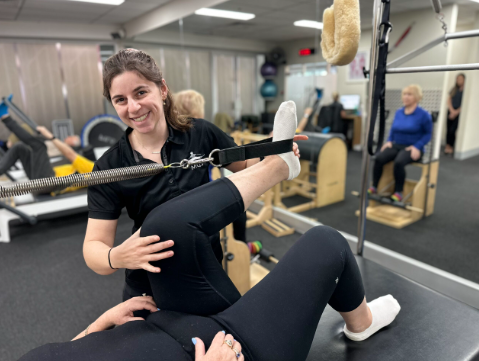
Engaging in flexibility and mobility training is a proactive approach to injury prevention, and seeking professional guidance can significantly enhance the effectiveness of this process. Personal trainers and physical therapists possess specialized knowledge that allows them to tailor training programs to meet individual needs. This personalization is crucial, as it can address specific limitations or goals of the individual, leading to safer and more effective results.
One of the primary benefits of working with a trained professional is their ability to conduct thorough assessments of a person’s current physical condition. These assessments help identify areas of tightness or weakness that may predispose an individual to injury. By understanding these factors, professionals can design a mobility program that specifically targets these areas, ensuring a more efficient progression toward improved flexibility and strength.
Furthermore, professional guidance provides an added layer of safety during training. While practicing flexibility exercises alone may seem straightforward, improper techniques can lead to strains or injuries. Trained professionals can demonstrate correct form and provide real-time feedback, significantly reducing the risk of injury. They can also modify exercises for individuals who have pre-existing conditions or are recovering from previous injuries, ensuring that the training remains both safe and effective.
In addition to safety and personalization, professionals can also incorporate a variety of techniques into a training program, including dynamic stretching, static stretching, and proprioceptive neuromuscular facilitation (PNF). Each technique serves different purposes and can be utilized strategically to enhance mobility. By understanding how and when to implement these techniques, trainers and therapists can further optimize the training experience.
Overall, professional guidance in flexibility and mobility training not only simplifies the process but also amplifies its benefits, resulting in a more holistic approach to injury prevention. Through tailored programs, effective feedback, and diverse training techniques, individuals can achieve their fitness goals more efficiently while minimizing the risk of injury.
Conclusion: Enhancing Performance and Preventing Injury Through Flexibility and Mobility
Flexibility and mobility play crucial roles in enhancing athletic performance and preventing injuries, serving as essential components of a well-rounded fitness regimen. The integration of targeted flexibility routines allows individuals to improve their range of motion, which is critical for optimal movement efficiency in various physical activities. By regularly engaging in flexibility training, athletes and fitness enthusiasts can experience enhanced performance levels as their bodies become more adept at executing complex movements with ease.
Moreover, mobility training specifically addresses the functional movements and patterns that are often neglected in traditional strength workouts. It encompasses exercises that promote the necessary joint flexibility and muscle elasticity needed to prevent injuries during both strenuous training and everyday activities. By incorporating mobility exercises into their routines, individuals can mitigate the risk of strains, sprains, and other common injuries that could hinder their performance and overall health.
Ultimately, prioritizing both flexibility and mobility is not merely about enhancing performance; it is fundamentally linked to reducing the likelihood of physical setbacks. Engaging in consistent flexibility and mobility training fosters a proactive approach to injury prevention, ensuring that individuals maintain healthy muscles and joints. As such, it is imperative for all athletes and fitness aficionados to recognize the value of these practices and to diligently incorporate them into their training programs.
In summary, the benefits of flexibility and mobility training extend beyond improved athletic performance; they serve as preventative measures that safeguard against injuries. By committing to these essential training components, individuals can enhance their overall health outcomes and enjoy sustained engagement in physical activities across their lifespans.