
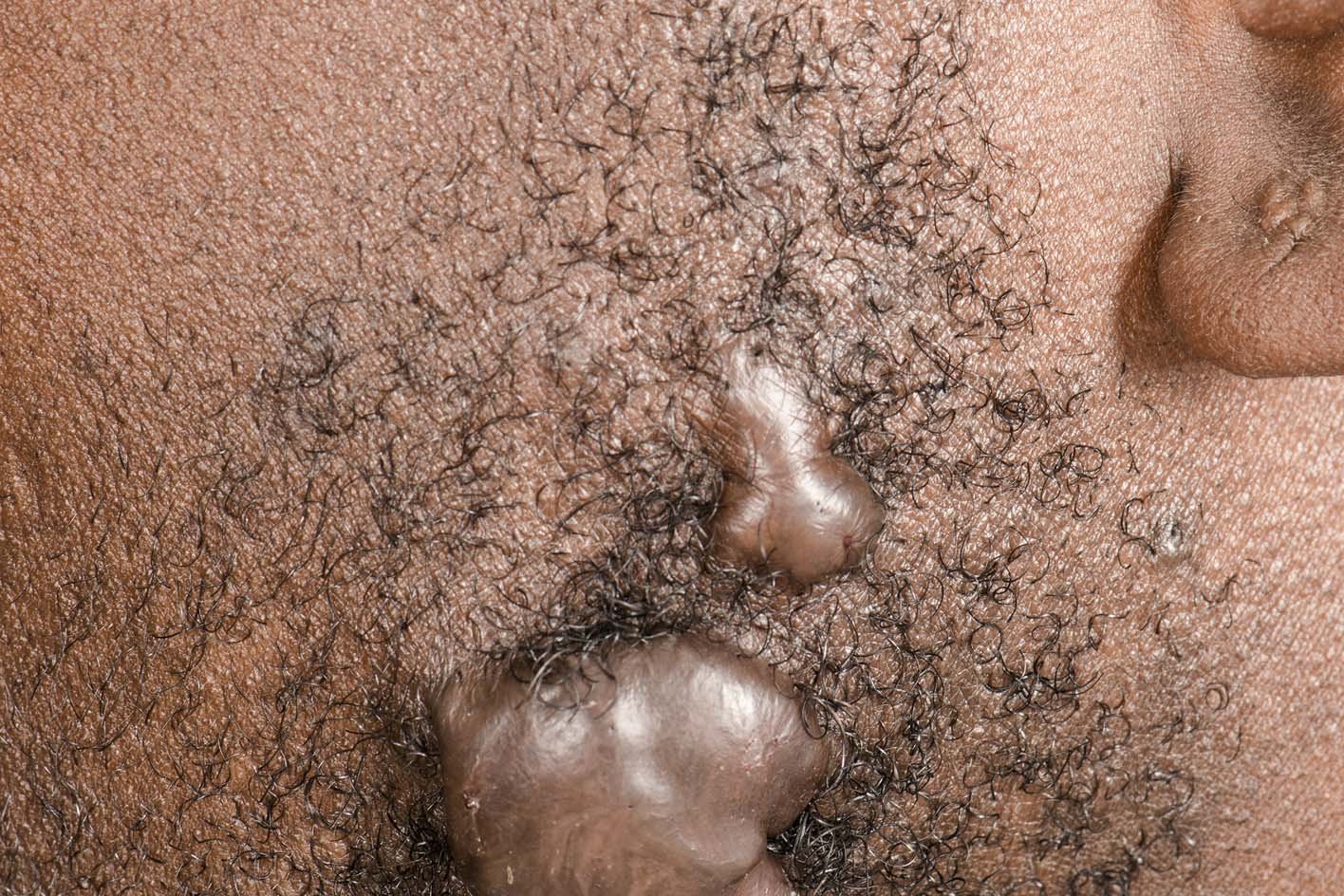


A raised scar does not always require medical treatment. Some hypertrophic scars gradually flatten, while keloids may continue growing beyond the original wound and persist without treatment.
You should seek professional advice when a scar is growing, painful, itchy, restricting movement, or affecting your confidence. Early assessment can confirm the scar type and identify suitable treatment options.
What Signs Suggest a Raised Scar Needs Assessment?
A clinician can examine the scar, review how it developed, and distinguish a keloid from other skin changes. Understanding the cost to remove a keloid may also help patients evaluate their treatment options before deciding how to proceed.
Consider seeking an assessment if:
- The scar is growing beyond the original wound.
- It remains raised several months after healing.
- It causes persistent itching or tenderness.
- It becomes painful when touched or rubbed.
- It restricts movement near a joint.
- Clothing or jewellery repeatedly irritates it.
- It has returned after previous treatment.
- You are unsure whether it is a keloid.
- Its appearance affects your confidence.
- The scar is changing unexpectedly.
- It becomes warm, swollen, or produces pus.
Warmth, increasing pain, swelling, or discharge can indicate infection and requires prompt medical advice. A rapidly changing or unexplained growth should also be assessed rather than assumed to be ordinary scarring.
When Is Professional Keloid Treatment Worth Considering?
Treatment is a personal decision, but certain symptoms and changes make a clinical assessment more useful. The aim may be to reduce growth, discomfort, restriction, or visibility rather than remove every trace of the scar.
1. When the Scar Keeps Growing
A hypertrophic scar usually stays within the edges of the original injury. A keloid can spread into the surrounding skin and may continue enlarging for months or longer.
Continued growth is a good reason to seek advice. Earlier assessment may help limit progression and allows a clinician to document the scar before it becomes thicker or wider.
2. When Itching Does Not Settle
Keloids can itch while actively growing. Mild, occasional itching may be manageable, but persistent symptoms can disturb sleep, concentration, exercise, or daily comfort.
Scratching may irritate the skin and increase inflammation. Ongoing itching deserves clinical attention, especially when moisturisers or simple protective measures do not provide enough relief.
3. When the Scar Becomes Painful
Some keloids feel tender, tight, or painful without direct pressure. Others hurt when clothing, jewellery, straps, or movement repeatedly rubs the area.
Pain should not be ignored simply because the scar looks stable. Treatment may reduce discomfort even when completely flattening the keloid is not a realistic outcome.
4. When Movement Is Restricted
Raised scars near the shoulder, neck, elbow, knee, or another joint may tighten the surrounding skin. This can make movement uncomfortable or limit normal activity.
Functional problems give treatment a practical purpose beyond appearance. Restricted movement needs timely assessment so the scar and joint function can be evaluated together.
5. When It Is Repeatedly Irritated
Keloids on the ears, chest, neck, or waistline may rub against earrings, collars, bras, helmets, or waistbands. Repeated friction can worsen tenderness and inflammation.
A clinician may suggest protection alongside medical treatment. People exploring keloid scar treatment options should discuss the location, symptoms, previous care, and likelihood of recurrence.
6. When It Affects Emotional Wellbeing
A visible scar can affect clothing choices, social situations, photographs, relationships, and confidence. These concerns are valid even when the scar causes no physical pain.
Treatment decisions should reflect the individual’s priorities. Emotional impact is a legitimate reason to ask about realistic improvement, limitations, costs, and possible side effects.
7. When Previous Treatment Has Failed
Keloids can return after treatment, particularly when removed by surgery alone. A recurrence may appear larger, firmer, or more uncomfortable than the previous scar.
Specialist review can examine what was tried and how the scar responded. A combined approach may be considered rather than repeating an unsuccessful treatment without a revised plan.
How Are Keloids Different From Other Raised Scars?
Not every thick or raised area is a keloid. A clinician may need to distinguish it from a hypertrophic scar, cyst, infection, dermatological condition, or another type of skin growth.
Keloid Scars Extend Beyond the Injury
A keloid grows outside the boundaries of the original cut, burn, piercing, acne lesion, or surgical incision. It may form a smooth, firm area with irregular extensions.
Keloids rarely flatten completely without intervention. Growth beyond the wound is a key clue, although a professional assessment may still be needed to confirm the diagnosis.
Hypertrophic Scars Stay Within the Wound
A hypertrophic scar is raised and may look red or feel itchy, but it generally remains within the limits of the original injury.
These scars may become thicker for several months and then gradually improve. Natural flattening is more common with hypertrophic scars than with true keloids.
Scar Timing Can Vary
A raised scar may develop soon after healing or become noticeable later. Keloids can continue changing after the original injury appears fully closed.
Tell the clinician when the wound occurred and when growth began. The timeline supports diagnosis and helps show whether the scar is stable, maturing, or still actively expanding.
Location Provides Useful Clues
Keloids frequently develop on the chest, shoulders, upper back, jawline, neck, and earlobes. However, they can occur after skin injury elsewhere.
Location also affects treatment because skin tension and repeated friction vary. The same therapy may not suit every area, particularly when a scar sits near a joint or sensitive structure.
Personal History Matters
People who have developed one keloid may be more likely to form another after future skin injuries. Family history and skin type can also influence susceptibility.
Share details of previous scars, piercings, acne, surgery, and treatment responses. Past healing patterns help guide decisions about treatment and prevention before another planned procedure.
Infection Has Different Warning Signs
A stable keloid may itch or feel tender, but increasing warmth, redness, swelling, discharge, or worsening pain can suggest infection.
Do not wait for a routine cosmetic appointment if these symptoms develop. Possible infection needs prompt medical advice, particularly when pus, fever, or spreading redness is present.
Other Growths Can Resemble Scars
A lump may be mistaken for a keloid because it appeared near a previous injury. Cysts and other skin lesions can sometimes look raised or feel firm.
Avoid self-treatment until the cause is clear. An uncertain diagnosis should be examined, especially when the growth appears without a known injury or changes rapidly.
| Feature | Keloid | Hypertrophic Scar |
| Growth boundary | Extends beyond the original wound | Stays within the wound |
| Natural course | Often persists | May flatten over time |
| Common symptoms | Itching, pain, tenderness | Itching, redness, tightness |
| Typical development | May continue growing | Often thickens before improving |
| Recurrence | Can recur after treatment | Generally responds more readily |
| Need for assessment | Useful when growing or bothersome | Useful when persistent or restrictive |
What Treatment Options May Be Discussed?
Treatment depends on the scar’s type, size, location, symptoms, age, previous treatment, and your medical history. Results vary, and several sessions or combined methods may be required.
Options may include:
- Steroid injections:These may soften and flatten the scar while reducing itching or pain.
- Silicone gels or sheets:These may help control raised scarring when used consistently.
- Cryotherapy:Controlled freezing may be considered for selected keloids.
- Laser treatment:Certain lasers may target redness, texture, thickness, or symptoms.
- Pressure therapy:Pressure devices or earrings may be used for suitable ear keloids.
- Surgical removal:Surgery may be combined with additional treatment because removal alone has a high recurrence risk.
- Radiotherapy:Carefully selected recurrent or difficult keloids may be considered for radiotherapy after excision.
- Observation:A stable, symptom-free scar may not need immediate intervention.
Ask about the expected improvement, number of sessions, recovery, recurrence risk, and possible pigment changes. Treatment should follow an individual clinical assessment.
Conclusion
Seek treatment when a raised scar grows beyond the original wound, remains painful or itchy, restricts movement, repeatedly catches on clothing, or affects your emotional wellbeing. Prompt medical advice is important if it becomes hot, swollen, increasingly painful, or produces pus. An accurate diagnosis can separate a keloid from other scars and guide realistic, individual treatment.