


Understanding Hair Structure and Growth
To comprehend the influence of nutrition on hair health, it is essential to first understand the anatomy of hair and the hair growth cycle. Human hair consists of three primary layers: the cuticle, cortex, and medulla. The cuticle is the outermost part, composed of overlapping cells that protect the deeper layers of the hair shaft. Beneath it lies the cortex, which contains keratin and pigmentation that determines hair color and strength. The innermost layer, the medulla, is a softer substance and is present in thicker hair types.
The hair growth cycle can be divided into three distinct phases: anagen, catagen, and telogen. The anagen phase is the active growth stage, lasting from two to six years, depending on genetic factors. During this phase, hair strands grow approximately half an inch per month. Adequate nutrition, especially proteins and vitamins such as biotin, plays a crucial role in the health of hair follicles during this time, ensuring robust hair production.
Following the anagen phase, hair transitions to the catagen phase, which lasts for a few weeks. This transitional phase sees the hair follicle shrink, and the growth temporarily halts. Nutritional deficiencies during this period can lead to weakened hair, making it more susceptible to breakage. Ensuring a balanced intake of essential nutrients, particularly minerals like zinc and iron, can aid the hair in successfully navigating this brief retreat.
Finally, the hair enters the telogen phase, known as the resting stage, which can persist for several months. At this point, hair may fall out naturally, making room for new growth to emerge. A well-rounded diet rich in antioxidants and fatty acids can support the healthy transition between the phases, ultimately influencing the overall strength and vitality of the hair.
Key Nutrients for Healthy Hair
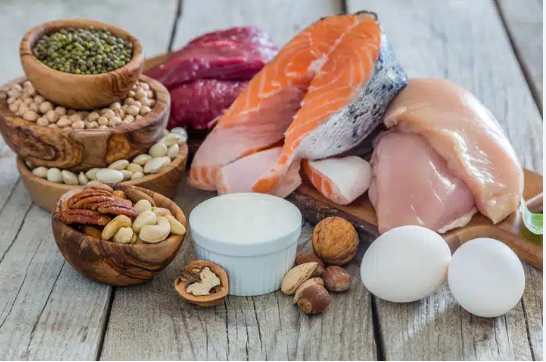
Hair health is significantly influenced by the nutrients we consume, with several key components being essential for maintaining robust strands and a healthy scalp. Among these essential nutrients, proteins are foundational as hair is primarily composed of a protein called keratin. Incorporating adequate protein sources, such as lean meats, fish, legumes, and dairy into the diet can fortify hair structure and promote growth.
Vitamins play a critical role in sustaining hair vitality. For example, Vitamin A is crucial for cell production and helps maintain a healthy scalp. Foods rich in Vitamin A such as sweet potatoes, carrots, and dark leafy greens should be included in a balanced diet. Additionally, Vitamin D is known for its role in hair follicle cycling, with deficiencies potentially linked to hair loss. Sunlight exposure is a natural way to increase vitamin D levels, but it can also be found in fortified foods and fatty fish.
Vitamin E acts as an antioxidant, protecting hair from oxidative stress that can lead to damage. Nuts, seeds, and green vegetables are excellent sources of this nutrient. Moreover, the B vitamins, particularly Biotin, have gained attention for their positive effects on hair growth and strength. Whole grains, eggs, and avocados are among the various sources rich in B vitamins.
Minerals are another vital component in the diet necessary for healthy hair. Zinc supports hair tissue growth and repair and plays an important role in maintaining the oil glands around the follicles. Foods rich in zinc include shellfish, legumes, and nuts. Similarly, iron is crucial for delivering oxygen to the hair follicles. Insufficient iron levels can result in hair shedding, underscoring the importance of dietary sources such as red meat, spinach, and fortified cereals.
In summary, a diet that includes a variety of proteins, vitamins, and minerals can significantly affect hair health. By ensuring adequate intake of these critical nutrients, individuals can foster a healthier environment for hair growth and maintenance.
Impact of Diet on Scalp Health
The condition of the scalp plays a pivotal role in maintaining healthy hair. Various nutritional choices can significantly impact scalp health, leading to conditions such as dryness, dandruff, and oiliness. Each of these issues can stem from dietary deficiencies or imbalances, making it essential to pay close attention to one’s nutritional intake.
Dryness of the scalp may occur due to inadequate hydration or a lack of essential fatty acids. Foods rich in omega-3 fatty acids—such as fatty fish, flaxseeds, and walnuts—are crucial for maintaining moisture balance. Incorporating these into the diet can help with scalp hydration, ultimately contributing to healthier hair growth. Additionally, it is important to consume plenty of water daily, as hydration significantly influences scalp condition.
Dandruff, characterized by flakes and itching, is often associated with an imbalance in scalp oils and can be exacerbated by dietary choices. A diet low in zinc and B vitamins may predispose individuals to this condition. Incorporating a variety of nuts, seeds, whole grains, and green leafy vegetables can help meet these nutritional needs, fostering a better scalp environment. Furthermore, probiotics, typically found in yogurt and fermented products, may also help in mitigating dandruff by balancing the gut microbiome, which correlates with scalp health.
On the other hand, an excessively oily scalp can result from an overproduction of sebum, which can be influenced by dietary fats and sugars. Reducing the intake of processed foods and increasing the consumption of whole, unrefined foods can assist in regulating oil production and improving overall scalp condition. Specifically, antioxidants found in fruits and vegetables can combat oxidative stress on the scalp, promoting a healthier habitat for hair follicles.
In summary, nutritional choices are vital in determining scalp health. A well-balanced diet that emphasizes hydration, essential fatty acids, and an array of vitamins and minerals is key to addressing issues like dryness, dandruff, and oiliness.
Common Nutritional Deficiencies and Hair Loss
Nutritional deficiencies can significantly impact hair health, leading to thinning and hair loss. Understanding these deficiencies is crucial for maintaining a healthy scalp and promoting hair growth. One common deficiency is protein deficiency, which occurs when the body does not receive enough protein to support hair regeneration. Hair is primarily composed of a protein called keratin, and insufficient protein intake can result in brittle hair and increased shedding. Symptoms may include weak hair structure and noticeable hair loss, which can often be reversed by integrating more protein-rich foods into one’s diet.
Another significant nutritional deficiency that affects hair is iron deficiency, which can lead to anemia. Iron is vital for transporting oxygen to the hair follicles. A lack of iron can hinder proper blood circulation in the scalp, resulting in hair follicles that do not receive the necessary nutrients for growth. Symptoms of iron deficiency may include fatigue, pale skin, and brittle nails, along with noticeable thinning of hair. Individuals prone to this deficiency, such as vegetarians or women with heavy menstrual cycles, should consider monitoring their iron levels more closely and possibly incorporating iron-rich foods or supplements.
Certain vitamins also play a crucial role in hair health. For instance, deficiencies in vitamin D and vitamin E can lead to hair loss due to their roles in nourishing the hair follicles. Vitamin D helps create new hair follicles, while vitamin E contributes to better blood circulation within the scalp. Symptoms of deficiencies in these vitamins may not only manifest as hair loss but can also lead to a dry and itchy scalp, further aggravating the condition. Thus, maintaining a balanced intake of essential nutrients is vital for both hair health and overall well-being.
Dietary Sources of Essential Nutrients
Maintaining healthy hair and scalp is significantly influenced by one’s diet. Certain nutrients play a crucial role in promoting hair health, and these can be obtained from a variety of food sources. Understanding which foods are rich in these essential nutrients can help individuals make better dietary choices to support their hair growth and overall scalp condition.
Vitamins are fundamental for hair health, with vitamins A, C, D, and E being particularly important. Foods rich in vitamin A, such as carrots, sweet potatoes, and dark leafy greens, help to promote sebum production in the scalp, an essential oil that keeps hair moisturized. Vitamin C, found abundantly in citrus fruits, strawberries, and bell peppers, aids in collagen production, which is vital for hair structure. Additionally, vitamin D, which can be sourced from fatty fish, fortified foods, and sunlight, has been linked to hair follicles. Finally, nuts and seeds, including almonds and sunflower seeds, provide vitamin E, which is known for its antioxidant properties that help reduce oxidative stress in the scalp.
Proteins are another essential component of a hair-healthy diet, as hair is primarily made up of a protein called keratin. Incorporating lean sources of protein such as chicken, turkey, fish, tofu, and legumes can provide the necessary building blocks for healthy hair. Furthermore, iron is vital for maintaining healthy circulation to the scalp and ensuring that hair follicles receive adequate nutrition. Iron-rich foods such as lentils, spinach, and red meat can help ward off iron-deficiency anemia, a possible cause of hair loss.
Additionally, whole grains are excellent sources of biotin and zinc, both of which are important for hair growth. Foods like quinoa, barley, and oats not only provide these nutrients but also contribute to overall health by supplying fiber and other essential vitamins. Incorporating a diverse range of fruits, vegetables, proteins, and whole grains into the daily diet can demonstrate a commitment to nourishing the body and fostering an environment conducive to hair health.
The Role of Hydration in Hair Health
Hydration plays a crucial role in maintaining healthy hair and scalp, offering benefits that extend beyond mere aesthetics. The human body is composed of approximately 60% water, making hydration essential for various biological functions, including nutrient transportation, temperature regulation, and metabolic processes. When the body is adequately hydrated, it not only supports overall health but also directly influences hair vitality.
Dehydration can significantly affect hair growth and health. When the body lacks sufficient water, it prioritizes essential functions such as organ maintenance over hair follicle nourishment. Consequently, hair may become dry, brittle, and more prone to breakage. This process can contribute to thinning hair or even hair loss, as the hair follicles struggle to receive the necessary nutrients and hydration they require.
Furthermore, hydrated skin is critical for maintaining a healthy scalp. A dry scalp can lead to issues such as dandruff and irritation, which can further inhibit optimal hair growth. When the scalp is nourished and well-hydrated, it provides a healthier environment for hair follicles to thrive, ultimately supporting hair strength and growth. Therefore, ensuring adequate water intake throughout the day is essential not only for general health but also for fostering a lush and vibrant mane.
To promote hydration, it is recommended to consume water regularly throughout the day, aiming for at least eight glasses, or more depending on individual needs and activity levels. Incorporating hydrating foods such as fruits and vegetables can also contribute to overall hydration levels, positively impacting hair health. By prioritizing adequate fluid intake and embracing a well-balanced diet, individuals can enhance their hair and scalp health effectively.
Lifestyle Factors that Influence Hair Health
Hair health is significantly influenced by a variety of lifestyle factors, extending beyond just nutrition. While a balanced diet is essential for providing the necessary vitamins and minerals, other aspects of daily life also play an integral role in maintaining healthy hair and scalp. Stress management, quality of sleep, and environmental influences are pivotal to this dynamic.
Stress is a common factor that can adversely affect hair health. When the body is under duress, it produces elevated levels of cortisol, a hormone that can lead to hair loss or thinning. To counteract stress, practices such as mindfulness meditation, regular exercise, and engaging in hobbies can be beneficial. These activities promote relaxation, thus improving overall well-being, which can have a positive effect on the hair.
Sleep quality is another crucial element linked to hair health. Adequate sleep allows the body to repair itself and regenerate cells, including those associated with hair growth. A consistent sleep schedule, aiming for seven to nine hours of quality sleep per night, contributes to improved hair vitality. Establishing a bedtime routine that minimizes screen time and creates a calming environment supports better rest and recovery.
The environment also plays a significant role in hair health. Factors such as pollution, climate, and exposure to harsh chemicals can damage both hair and scalp. For those living in urban environments, incorporating protective measures, such as covering the hair when outdoors and using antioxidants, can mitigate some negative impacts. Additionally, maintaining a clean scalp through regular washing and appropriate hair care products helps to balance the natural oils without stripping essential nutrients.
In conclusion, while balanced nutrition is essential for healthy hair, lifestyle factors such as stress management, quality of sleep, and environmental influences also play critical roles. By addressing these elements holistically, individuals can significantly enhance the health and appearance of their hair and scalp.
Case Studies: Benefits of Nutritional Interventions
The relationship between diet and hair health is increasingly supported by various case studies that illustrate the significant impact of balanced nutrition on improving hair and scalp conditions. Several individuals have reported extraordinary transformations following dietary changes, reflecting the necessity of incorporating specific nutrients for optimal hair growth and maintenance.
One notable case involved a young woman suffering from hair thinning, which she attributed to a poor diet lacking essential vitamins and minerals. Upon consulting with a nutritionist, she began a regimen that emphasized the intake of protein, healthy fats, and a variety of vitamins, particularly essential fatty acids and biotin. Within a few months, she reported a marked reduction in hair loss and noted increased hair thickness and vitality, exemplifying how nutritional improvement can lead to a healthier scalp and enhanced hair appearance.
Another case study focused on an older adult who experienced significant scalp dryness and irritation. After reevaluating his eating habits, he incorporated more vegetables rich in antioxidants and omega-3 fatty acids, along with an increased intake of lean meats. As a result, he experienced a noticeable reduction in scalp irritation and dryness within weeks, demonstrating that targeted nutritional intervention can effectively address specific scalp concerns.
A further compelling example involved a teenager diagnosed with alopecia areata, an autoimmune condition characterized by hair loss. Following recommendations from a dermatologist and a dietitian, she adopted a diet rich in whole foods, including zinc and iron sources. The improvements were evident after some months, with regrowth of hair in the affected areas. This case highlights how balanced nutrition can not only aid in general hair health but also assist in managing more serious conditions effectively.
These case studies reinforce the hypothesis that dietary choices play a crucial role in hair and scalp health. By emphasizing balanced nutrition, individuals can achieve substantial improvements in their hair quality and overall scalp condition, which further supports the theory that what we consume is intrinsically linked to our hair’s appearance and health.
Tips for Maintaining a Balanced Diet for Hair Health
Achieving optimal hair and scalp health necessitates more than just topical treatments; it begins with what you consume. A balanced diet rich in essential nutrients is vital for hair growth and vitality. Here are some practical tips to help you seamlessly incorporate hair-friendly foods into your daily nutrition.
First, focus on including a variety of foods rich in vitamins and minerals that specifically nurture the hair. Foods such as leafy greens, nuts, seeds, and fish are excellent sources of Omega-3 fatty acids, which promote scalp hydration and improve the overall quality of hair. Additionally, incorporating sources of protein such as lean meats, legumes, and dairy will ensure your body receives the building blocks necessary for hair development.
Meal planning can be an effective strategy for maintaining a balanced diet aimed at improving hair health. Start by planning weekly meals that include a range of nutrient-dense ingredients. For example, consider preparing a quinoa salad with spinach, avocado, and almonds, topped with salmon. This combination not only provides protein and healthy fats but also delivers important vitamins like E and B, both crucial for maintaining robust hair.
Moreover, hydration plays a significant role in supporting hair health. Drinking adequate water throughout the day helps maintain moisture levels in the scalp and hair. Try to incorporate hydrating foods such as cucumbers, oranges, and berries into your meals or snacks. Not only will these foods boost your water intake, but they are also packed with antioxidants that help combat oxidative stress on hair follicles.
Lastly, consider exploring recipes that feature a blend of these hair-nurturing ingredients. Smoothies made with spinach, banana, and Greek yogurt, or hearty soups with a mix of vegetables and legumes can provide a delicious way to fuel your body while focusing on hair health. By consciously choosing and preparing meals that support a balanced diet, you pave the way for beautiful, healthy hair.