


Alcohol is often associated with relaxation and socialising. Many people enjoy a drink to unwind after a stressful day or to feel more comfortable in social situations. However, while alcohol may seem to reduce feelings of anxiety in the short term, scientific research suggests that it can actually contribute to anxiety symptoms over time.
Understanding the relationship between alcohol and anxiety is important, particularly for those who regularly rely on drinking as a way of coping with stress or emotional difficulties. Because, ultimately, that is never going to help in the long run and, actually, seeking UK rehab and counselling for your anxiety could well be the best course of action.
Why Alcohol Can Feel Calming
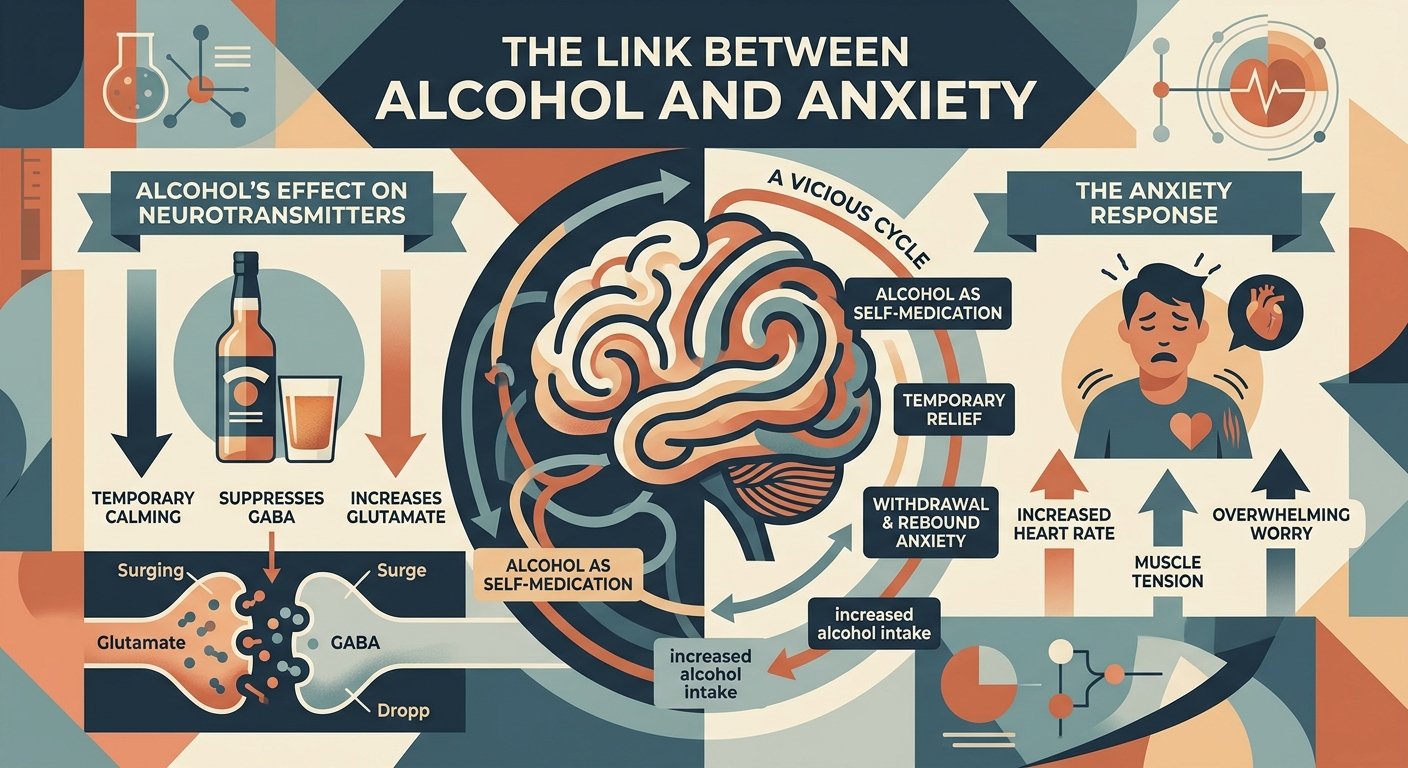
Alcohol is a depressant, meaning it slows down activity in the central nervous system. After consuming alcohol, people may experience feelings of relaxation, reduced inhibitions and a temporary sense of calm. This occurs because alcohol affects several neurotransmitters in the brain, including gamma-aminobutyric acid (GABA), which helps regulate feelings of anxiety and stress.
For some individuals, this calming effect can be particularly appealing. People who experience social anxiety or generalised anxiety may find that drinking temporarily reduces nervousness and makes social interactions feel easier.
However, these effects are short-lived. As alcohol leaves the body, the brain begins to restore its normal chemical balance, which can lead to increased feelings of anxiety and unease.
The Rebound Effect
One of the key reasons alcohol and anxiety are closely linked is what researchers refer to as the rebound effect. After drinking, the brain attempts to compensate for alcohol’s sedative effects by increasing activity in certain systems.
As blood alcohol levels begin to fall, people may experience symptoms such as restlessness, irritability, racing thoughts and difficulty sleeping. This is sometimes referred to as “hangxiety“, a term used to describe feelings of anxiety that occur during a hangover.
For some people, these symptoms are mild and temporary. For others, particularly those who drink heavily or frequently, the rebound effect can contribute to ongoing anxiety and emotional distress.
Alcohol and Long-Term Anxiety
Scientific studies have consistently shown a strong relationship between heavy alcohol use and anxiety disorders. Although the connection is complex, research suggests that alcohol can both worsen existing anxiety and increase the risk of developing anxiety problems over time.
Regular heavy drinking can alter the balance of neurotransmitters in the brain, making it more difficult to regulate mood and stress responses. It can also interfere with sleep quality, which plays a vital role in emotional wellbeing. Poor sleep is strongly associated with increased anxiety symptoms and can create a cycle in which individuals drink to relax but ultimately feel more anxious as a result.
In some cases, people begin drinking to manage anxiety symptoms, only to find that their anxiety becomes more severe as their alcohol consumption increases.
The Cycle of Self-Medication
Many people use alcohol as a form of self-medication. A drink may provide temporary relief from stress, worry or social discomfort, reinforcing the belief that alcohol is an effective coping strategy.
However, relying on alcohol to manage anxiety can create a harmful cycle. As anxiety returns or worsens after drinking, individuals may consume more alcohol to regain the calming effects. Over time, this pattern can increase the risk of alcohol dependence and make anxiety symptoms more difficult to manage.
Research has shown that people with anxiety disorders are more likely to experience problematic drinking patterns, highlighting the close connection between the two conditions.
Healthier Ways to Manage Anxiety
There are many alternatives to using alcohol as a coping mechanism. Regular exercise, mindfulness techniques, counselling and talking therapies can all help reduce anxiety symptoms. Establishing healthy sleep habits and building supportive social connections can also improve emotional wellbeing.
For individuals who find that alcohol is contributing to their anxiety, reducing or stopping drinking may lead to noticeable improvements in mood and stress levels over time.
Although alcohol may initially seem to ease anxiety, scientific evidence suggests that its long-term effects can be quite different. The rebound effect, disrupted brain chemistry and poor sleep can all contribute to increased anxiety and emotional distress. Understanding this relationship can help individuals make informed decisions about their drinking habits and seek healthier, more sustainable ways of managing anxiety.