
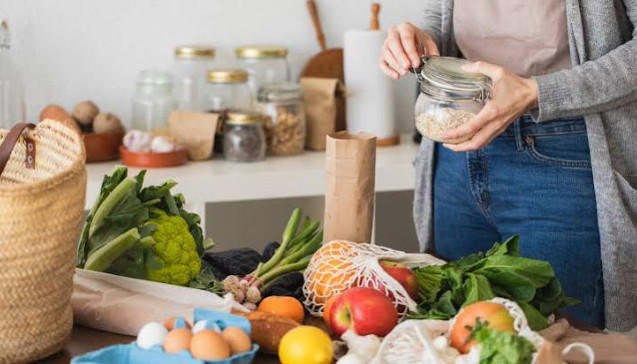


Introduction to Meal Prep
Meal preparation, commonly referred to as meal prep, is an organized approach to cooking and planning meals in advance. It has gained immense popularity among individuals leading busy lives who aim to stick to a healthy diet amidst their numerous commitments. By dedicating a few hours each week to prepare meals, individuals can ensure they have nutritious options readily available, thus minimizing the temptation to resort to unhealthy convenience foods.
One of the biggest challenges faced during hectic weeks is time constraints, which often lead to impulsive food choices that do not align with one’s health goals. In the rush of daily responsibilities—such as work, family obligations, and social engagements—it is easy to overlook proper nutrition. As a result, many people might find themselves frequently relying on fast food or processed snacks that are high in calories and lacking essential nutrients.
Meal prep serves as a practical solution to combat these challenges. By planning and preparing meals ahead of time, individuals can take control of their diet, ensuring they have nutritious options at hand. It not only promotes healthier eating habits but also empowers individuals with the knowledge of what they are consuming. Moreover, preparing meals in advance can be cost-effective, as bulk purchasing of ingredients reduces food expenses and minimizes food wastage.
Implementing meal prep into one’s routine encourages mindful eating and assists in maintaining balanced nutrition, as well as helps in achieving personal health and fitness goals. For anyone struggling to eat healthily, especially during busy weeks, understanding the fundamentals of meal prep can transform their dietary habits and enhance their overall well-being.
Benefits of Meal Prepping
Meal prepping offers a variety of benefits that can significantly enhance one’s health and lifestyle, especially for those living in a fast-paced environment. One of the primary advantages of meal prepping is the significant time savings it provides. By dedicating a few hours each week to plan, shop, and prepare meals in advance, individuals can avoid the daily scramble of cooking and cleaning, thereby freeing up time for other activities or responsibilities. This structured approach ensures that nutritious meals are readily available, reducing the likelihood of opting for unhealthy convenience foods.
Additionally, meal prepping can contribute to substantial cost savings. Preparing meals in bulk often translates to lower grocery bills, as buying ingredients in larger quantities typically decreases the overall cost per meal. Moreover, having prepared meals on hand minimizes the temptation to order takeout or dine out, which can quickly add up in terms of expenses. Thus, meal prepping is not only a strategy for promoting healthier eating habits but also an effective method for managing a household budget.
Another notable advantage of meal prepping is its role in reducing food waste. When meals are planned ahead, individuals are more likely to use all ingredients purchased, leading to fewer leftovers that may go uneaten. By clearly portioning meals and knowing exactly what is prepared, people can minimize the waste generated from spoiled or unused food items. Ultimately, this conscious approach to food preparation not only promotes a healthier diet but also establishes a more sustainable lifestyle.
In essence, the benefits of meal prepping extend beyond mere convenience; they foster a holistic approach to healthy eating, financial responsibility, and environmental mindfulness, making it an invaluable strategy for busy individuals committed to maintaining a nutritious diet.
Planning Your Meals
Meal planning is a pivotal element of effective meal prepping, especially in our busy lives where time can often dictate our eating habits. To begin planning your meals, it is essential to establish a framework that allows for nutritional balance, variety, and adherence to personal dietary needs.
When designing a well-balanced meal plan, one should prioritize high-quality ingredients. This can include fresh vegetables, lean proteins, whole grains, and healthy fats. Selecting seasonal produce not only enhances flavor but also ensures that you are consuming foods at their nutritional peak. Nonetheless, ensuring variety within your meals is equally crucial to provide essential vitamins and minerals required for optimal health. A diverse meal plan can help prevent both physical and mental fatigue often associated with repetitive meals.
Meeting dietary restrictions can further shape your meal plan. Whether you are vegetarian, gluten-free, or following a low-carb diet, it’s vital to incorporate suitable ingredients that align with your nutritional goals. A good practice is to include meals that can be customized or modified based on these restrictions, allowing for flexibility without compromising health.
To create a simple weekly meal plan, consider the following framework: Start by selecting two or three proteins for the week, such as chicken, tofu, or fish. Next, choose a variety of vegetables and whole grains to accompany these proteins. Aim for at least five different colors of vegetables throughout your meals to ensure a wide spectrum of nutrients. Lastly, plan for snacks and beverages, incorporating options like nuts, yogurt, or herbal teas, which can complement your meals and provide additional satiety.
This thoughtful approach to meal planning serves as the foundation of successful meal prep, helping to streamline cooking and grocery shopping while promoting a balanced and healthy diet that accommodates your lifestyle.
Time-Saving Meal Prep Techniques
In today’s fast-paced lifestyle, maintaining a healthy diet can be challenging, especially during busy weeks. Implementing effective time-saving meal prep techniques can significantly alleviate the stress of cooking and ensure adherence to nutritional goals. One of the most popular methods is batch cooking, where larger quantities of food are prepared at once. This approach not only saves time but also allows for a variety of meals to be created from a single cooking session. For instance, cooking a substantial portion of grains or proteins can provide a foundation for several meals throughout the week.
Additionally, incorporating freezer-friendly recipes into your meal prep can enhance your efficiency. By preparing meals that freeze well, you can have ready-to-eat options that simply require reheating. For example, soups, casseroles, and chili can be made in bulk, portioned into containers, and stored in the freezer for easy access on particularly hectic days. This eliminates the temptation to opt for fast food or unhealthy snacks when time is limited.
Utilizing kitchen gadgets like slow cookers or Instant Pots can also streamline the cooking process. These appliances are designed to minimize hands-on time while maximizing flavor and nutrition. A slow cooker can transform tough cuts of meat and a variety of vegetables into delectable meals, all while you attend to your daily responsibilities. On the other hand, an Instant Pot can significantly reduce cooking time for otherwise lengthy recipes, making meal preparation more feasible.
To maximize efficiency in the kitchen, it is crucial to organize the cooking process thoughtfully. Grouping similar tasks can save time; for instance, chopping all vegetables at once or marinating proteins in advance can make subsequent meal assembly quicker. By harnessing these time-saving meal prep techniques, individuals can ensure that their dietary needs are met, even amid the busiest of schedules.
Grocery Shopping Strategies
Efficient grocery shopping is pivotal for those aiming to maintain a healthy diet amidst a busy schedule. A well-structured approach not only streamlines the shopping process but also ensures that nutritious ingredients, vital for meal prep, are consistently on hand. A key strategy involves creating a shopping list based on your detailed meal plan.
Before heading out, it is advisable to review your meal plan and determine which ingredients are required for each recipe. Organizing your shopping list by section—such as produce, grains, proteins, and dairy—can significantly enhance the efficiency of your shopping trip. This organization helps to minimize the time spent in stores and aids in making healthier decisions, as you are less likely to be swayed by impulse purchases.
Another crucial aspect of grocery shopping is prioritizing seasonal and local produce. These products not only tend to be fresher and more flavorful but are often more cost-effective. Purchasing seasonal fruits and vegetables can enhance the quality of your meals while supporting local economies and reducing your carbon footprint. Furthermore, local farmers’ markets can offer organic options that can be both healthier and more budget-friendly compared to conventional grocery stores.
Moreover, shopping in bulk can be a beneficial strategy for those looking to save both time and money. Items such as grains, legumes, and nuts can often be purchased in larger quantities at a lower cost, which is ideal for meal prep. This approach not only minimizes the number of grocery trips needed during the week but also encourages the preparation of larger batches of meals at a time, leading to more efficient use of time. By implementing these grocery shopping strategies, you can support your meal prep efforts while maintaining a focus on healthy eating amidst a busy lifestyle.
Storing and Reheating Meals
Proper storage of prepped meals is critical to maintaining freshness and ensuring safety. To begin with, the selection of appropriate containers plays a vital role in food preservation. Opt for airtight, BPA-free plastic or glass containers that are designed for food storage. Utilizing glass containers can be especially advantageous, as they do not retain odors or stain and can often be reheated safely in the oven or microwave.
It is essential to allow meals to cool down to room temperature before storing them. This practice helps prevent moisture buildup, which can lead to spoilage. Once cooled, portion meals into individual servings. This approach not only facilitates quick access during busy weeks but also helps in meal portion management while minimizing waste.
Labeling containers with the meal name and preparation date is a straightforward yet effective strategy. This practice ensures that you consume older meals first and reduces the risk of eating spoiled food. Utilize a permanent marker or labeling stickers, and consider placing the date clearly on the side of the container.
When it comes time to reheat your meals, it’s vital to do so in a manner that preserves flavor and texture. For microwave reheating, cover the container with a microwave-safe lid or partial wrap to retain moisture, preventing the food from drying out. Additionally, consider reheating meals in intervals, stirring frequently, to ensure even warming.
If you have the time, reheating meals in an oven or stovetop can yield better results in terms of taste and texture. Be sure to check the internal temperature of meals, aiming for at least 165°F (74°C) to ensure food safety. By adhering to these storage and reheating guidelines, you can enjoy your meals while effectively managing your time and maintaining a healthy diet throughout your busy weeks.
Quick and Healthy Meal Ideas
In today’s fast-paced world, maintaining a nutritious diet can be challenging, especially during busy weeks. Here are some quick and healthy meal ideas that are not only easy to prepare but also adaptable to various dietary preferences, ensuring everyone can enjoy them.
For breakfast, consider overnight oats. Prepare these the night before by combining rolled oats with your choice of milk, yogurt, or a plant-based alternative. Add fruits, nuts, and a drizzle of honey or maple syrup for a delicious and filling breakfast. This meal provides essential nutrients and can be customized to suit individual tastes, making it a versatile option for busy mornings.
For lunch, a quinoa salad is an excellent choice. Cooked quinoa, which is rich in protein and fiber, serves as a base for various toppings. Incorporate cherry tomatoes, cucumber, spinach, and feta cheese, and dress it with olive oil and lemon juice. This salad can be made in advance and stored in the refrigerator, providing a refreshing, nutritious meal that only requires assembling the ingredients.
When it comes to dinner, stir-fried vegetables with a protein source such as chicken, tofu, or shrimp offers a quick and fulfilling option. Sauté a mix of colorful vegetables like bell peppers, broccoli, and snap peas in minimal oil, adding soy sauce or teriyaki sauce for flavor. Serve this dish over pre-cooked rice or cauliflower rice for a satisfying end to your day without spending too much time in the kitchen.
These meal ideas not only maximize nutrition but also save time, allowing you to enjoy healthy eating even during the busiest of weeks. By planning ahead and preparing these quick meals, you can maintain a balanced diet without compromising on taste or convenience.
Overcoming Meal Prep Challenges
Meal prepping can present various challenges that might deter individuals from adhering to a healthy diet, particularly during busy weeks. Recognizing these obstacles is essential for developing effective strategies to maintain a consistent meal prep routine.
One common challenge is a lack of time. In the fast-paced nature of modern life, finding sufficient time to dedicate to meal preparation can be daunting. However, adopting a structured approach can alleviate this issue. Consider allocating a specific time each week, such as Sunday afternoons, dedicated solely to meal preparation. Planning meals in advance and sticking to a schedule will help streamline the process, making it more efficient.
Storage issues can also pose significant hurdles in meal prepping. Limited space in refrigerators or freezers may restrict the volume of meals one can prepare at once. Solutions to this include utilizing stackable containers or mason jars which can optimize space effectively. Additionally, incorporating meals that freeze well into the plan ensures that no food is wasted and allows for convenient, quick meals on busier days.
Motivational hurdles are perhaps the most significant challenge that most face when meal prepping. The initial enthusiasm may dwindle as the week progresses, making it tempting to opt for less healthy options. To overcome this, varying meals is critical; creating a diverse menu not only keeps the experience engaging but also satisfies different nutritional needs. Furthermore, involving family members or friends in the preparation process can enhance motivation through teamwork.
Adjusting meal prep to fit individual lifestyles also plays a vital role in overcoming obstacles. Tailoring meals based on personal preferences and dietary requirements will ensure that one remains committed to the meal prep routine. By addressing these common challenges head-on, one can effectively maintain a balanced and healthy diet even during the busiest weeks.
Conclusion and Final Tips
In today’s fast-paced world, maintaining a healthy diet can often seem like a daunting task, especially during busy weeks. However, the strategies discussed throughout this blog post emphasize the significant role of meal prep in supporting a nutritious lifestyle, even when time is limited. By allocating a few hours each week to plan and prepare meals, individuals can ensure they have access to healthy options, which can ultimately lead to better overall health outcomes.
Throughout this post, we have highlighted several effective meal prep strategies, including creating a meal schedule, utilizing versatile ingredients, and employing batch cooking. These methods not only streamline the meal preparation process but also help reduce the temptation to opt for unhealthy, quick alternatives. Moreover, storing meals in convenient, portion-controlled containers can facilitate adherence to dietary goals.
To further support your meal prep journey, consider investing in essential kitchen tools, such as meal prep containers, a slow cooker, or an instant pot, which can make cooking more accessible and less time-consuming. Implementing a few snacks or quick, healthy recipes into your routine can also provide nourishing options that don’t require extensive preparation.
Remember that consistency is vital in developing healthy eating habits. As you begin to implement these meal prep strategies, it may take time to adjust, but the positive effects on your diet and overall wellbeing will be well worth the effort. Keep refining your meal prep techniques and be open to experimenting with new recipes. This will not only diversify your diet but also make the process more enjoyable.
In conclusion, effective meal preparation is a powerful tool for anyone looking to maintain a healthy diet amidst a busy schedule. By following the tips outlined in this blog post, you can create a sustainable food routine that helps you reach your health and wellness goals, ensuring that even the busiest of weeks can be met with nutritious and satisfying meals.