
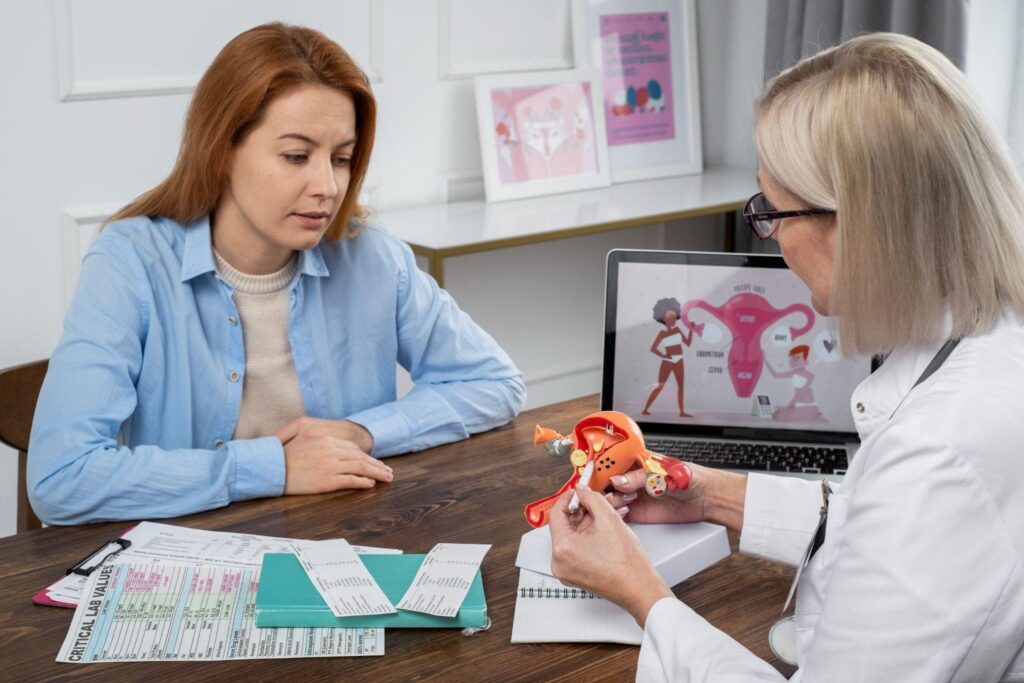


For many women, blocked fallopian tubes are discovered only after they experience difficulty conceiving. Since the fallopian tubes play a vital role in carrying the egg from the ovary to the uterus, any blockage can prevent fertilisation and affect pregnancy. While some women may not notice any symptoms, others may experience warning signs that should not be ignored.
Understanding the symptoms, causes, and treatment options can help you seek medical care early and improve your chances of a healthy pregnancy.
What Are Blocked Fallopian Tubes?
The fallopian tubes are two narrow tubes that connect the ovaries to the uterus. Every month, an egg travels through one of these tubes, where it may meet sperm for fertilisation. If one or both tubes become blocked, the egg and sperm cannot meet, making natural conception difficult.
A blockage can affect one fallopian tube or both. While pregnancy may still be possible with one healthy tube, blockage in both tubes often requires fertility treatment.
Symptoms of Blocked Fallopian Tubes
Many women with blocked fallopian tubes do not experience noticeable symptoms. However, depending on the cause and severity, some common signs include:
- Difficulty getting pregnant after trying for a year or longer
- Persistent or recurring pelvic pain
- Pain during menstruation
- Pain during sexual intercourse
- Unusual vaginal discharge, especially if an infection is present
- Lower abdominal discomfort on one side
- A history of ectopic pregnancy
If the blockage is caused by hydrosalpinx, where fluid collects inside the fallopian tube, some women may also experience watery vaginal discharge or chronic pelvic pain.
What Causes Blocked Fallopian Tubes?
Several medical conditions can damage or block the fallopian tubes, including:
- Pelvic inflammatory disease (PID)
- Sexually transmitted infections such as chlamydia or gonorrhoea
- Endometriosis
- Previous pelvic or abdominal surgery
- Scar tissue or pelvic adhesions
- Previous ectopic pregnancy
- Genital tuberculosis, which is a recognised cause of infertility in some women
Identifying the underlying cause is important because treatment depends on the reason for the blockage.
How Are Blocked Fallopian Tubes Diagnosed?
If your doctor suspects a tubal blockage, they may recommend one or more diagnostic tests, such as:
- Hysterosalpingography (HSG): A specialised X-ray that uses contrast dye to check whether the fallopian tubes are open.
- Sonosalpingography (SSG): An ultrasound-based procedure that evaluates the uterus and fallopian tubes.
- Laparoscopy: A minimally invasive surgery that allows the doctor to directly examine the reproductive organs and identify any blockages or scar tissue.
These tests help determine the location and severity of the blockage, allowing your fertility specialist to recommend the most appropriate treatment.
Can Blocked Fallopian Tubes Be Treated?
Yes. Treatment depends on the cause, location, and extent of the blockage, as well as your overall fertility health.
Options may include:
- Medication to treat infections, when applicable
- Laparoscopic surgery to remove scar tissue or repair the fallopian tubes
- In Vitro Fertilisation (IVF), which bypasses the fallopian tubes by fertilising the egg outside the body before transferring the embryo into the uterus
Your fertility specialist will recommend the most suitable treatment based on your individual condition.
When Should You See a Fertility Specialist?
You should consult a fertility specialist if:
- You have been trying to conceive for 12 months without success (or 6 months if you are over 35 years of age)
- You have recurrent pelvic pain
- You have a history of pelvic infections or endometriosis
- You have experienced an ectopic pregnancy
- You have undergone multiple unsuccessful fertility treatments
Early diagnosis and timely treatment can improve your chances of achieving a successful pregnancy.
Conclusion
Blocked fallopian tubes are one of the common causes of female infertility, but they often remain undetected because many women have no symptoms. If you experience persistent pelvic pain, have a history of pelvic infections, or are facing difficulty conceiving, it is important to seek medical advice. With modern diagnostic tests and advanced fertility treatments, including IVF when needed, many women with blocked fallopian tubes can successfully achieve pregnancy.