
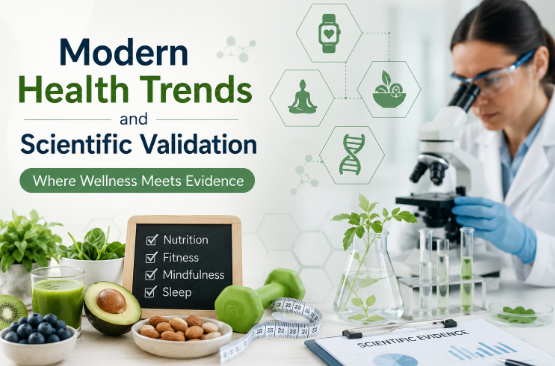


Introduction to Modern Health Trends
The concept of modern health trends encapsulates the evolving landscape of wellness practices and lifestyle modifications that have gained prominence in contemporary society. Over recent years, there has been a noticeable shift towards more holistic approaches to health, emphasizing not just the absence of illness, but the pursuit of overall well-being and optimal health. This evolution can be attributed to several factors, including advancements in health science, significant cultural shifts, and the rapid development of technology.
As individuals become increasingly aware of the interconnectedness of physical, mental, and emotional health, many are embracing practices that promote a balanced lifestyle. These trends often include plant-based diets, mindfulness meditation, fitness regimens tailored to personal preferences, and a growing interest in preventive healthcare. Furthermore, the reliance on digital health-technologies, such as wearable devices that monitor physical activity and sleep patterns, illustrates how technology is facilitating a more health-conscious society.
Moreover, cultural shifts toward prioritizing self-care and mental wellness are also shaping modern health trends. Social media platforms play a pivotal role in popularizing these trends, with influencers and health advocates sharing their experiences and practices, making these concepts more accessible to a broader audience. The modern consumer is more informed about health matters, seeking evidence-based information and scientific validation for health practices, which has prompted greater scrutiny of various wellness fads.
In summary, modern health trends reflect a comprehensive approach to wellness driven by a blend of scientific advancement, cultural evolution, and technological innovation. These trends are not merely transient fashions but signify a deeper societal commitment to fostering healthy lifestyles and enhancing quality of life.
The Role of Scientific Research in Health Trends
Scientific research plays a pivotal role in the realm of health trends, acting as the foundation upon which credible practices are built. This is particularly important in an age where information circulates rapidly, making it increasingly crucial to distinguish between fleeting fads and well-substantiated health recommendations. Rigorous studies and clinical trials are essential tools that researchers utilize to assess the efficacy and safety of various health practices.
Peer-reviewed articles further bolster the credibility of health trends, as they provide a platform for researchers to share their findings with the scientific community. This peer-review process ensures that the research methods and conclusions drawn are scrutinized by other experts in the field, promoting transparency and accountability. By disseminating knowledge through such channels, researchers help to validate practices that have demonstrable benefits, while also exposing those that lack sufficient evidence.
Moreover, the role of scientific research extends beyond merely endorsing health trends; it is also instrumental in debunking popular misconceptions and misinformation. For instance, trends such as detox diets or extreme caloric restrictions may garner attention for their purported benefits, yet only thorough investigative studies can reveal their potential risks. Scientific scrutiny not only emphasizes the necessity of having a sound evidence base but also encourages a more informed approach to health and wellness among consumers.
In conclusion, the relationship between scientific research and health trends is crucial for ensuring that individuals can make informed decisions about their wellbeing. By relying on validated data, people can discern which trends are truly beneficial and which ones are best approached with caution, thereby enhancing overall public health. All in all, it is imperative that consumers turn to reputable sources of scientific inquiry when navigating the ever-evolving landscape of health trends.
Popular Modern Health Trends
In recent years, a variety of health trends have gained popularity as individuals seek ways to enhance their well-being. Among these, intermittent fasting has emerged as a noteworthy practice. This trend encourages defined periods of eating and fasting, ostensibly promoting weight loss and metabolic health. Studies suggest that intermittent fasting can lead to improved insulin sensitivity and other metabolic markers, garnering both interest and skepticism from the public.
Another prevalent trend is the shift towards plant-based diets. Emphasizing the consumption of whole grains, fruits, vegetables, and legumes, this approach is often lauded for its potential health benefits, including reduced risks of chronic diseases. Many advocates are motivated by ethical reasons as well, believing that a plant-based diet is more sustainable for the environment. Society’s growing awareness of the impact of animal farming on climate change has propelled the acceptance of this dietary choice.
Mindfulness and mental well-being have also captured public attention. Mindfulness practices, including meditation and yoga, encourage living in the present moment, thereby reducing stress and anxiety. Research supports the positive effects of mindfulness on emotional regulation and psychological resilience. Consequently, these practices have made their way into mainstream health discussions, reflecting a significant cultural shift towards prioritizing mental health.
Additionally, holistic health approaches have taken center stage. This perspective integrates physical health with emotional and spiritual dimensions, emphasizing the importance of treating the whole person rather than isolated symptoms. This trend resonates with many who seek a comprehensive understanding of health and well-being.
As these modern health trends continue to evolve, they prompt ongoing research and discussion about their validity, effectiveness, and long-term sustainability. Each trend offers a unique lens through which individuals can explore their health journeys.
Scientific Data Supporting Health Trends
In recent years, several health trends have garnered widespread attention, heightened by anecdotal reports of their effectiveness. However, a growing body of scientific literature has emerged to validate these practices, providing empirical evidence to support their claimed benefits. One prominent trend is the practice of meditation. According to a meta-analysis published in the journal Psychological Bulletin, mindfulness meditation has been shown to significantly reduce symptoms of anxiety, depression, and stress. The analysis highlighted that regular meditation leads to measurable changes in brain structure, particularly in areas associated with emotional regulation and self-awareness.
Another health trend that has received significant support from scientific research is yoga. A systematic review in the journal Complementary Therapies in Medicine examined various studies and found that yoga can improve physical function, reduce pain, and enhance the overall quality of life in patients with chronic diseases. The review particularly emphasized the effects of yoga on cardiovascular health, suggesting that it may lower blood pressure and improve heart rate variability.
Nutritional adjustments, specifically the incorporation of a plant-based diet, have also been validated by recent studies. Research published in the American Journal of Clinical Nutrition indicated that individuals adhering to a plant-based diet experience lower risks of chronic illnesses such as obesity, type 2 diabetes, and heart disease. This evidence suggests that dietary choices play a critical role in long-term health outcomes.
These examples illustrate the importance of scientific validation in contemporary health trends. While personal testimonies are valuable, research-backed studies provide a more robust framework for understanding the potential benefits of various health practices. Stakeholders in health and wellness must consider these findings to foster evidence-based approaches to health promotion.
Criticism and Controversy in Health Trends
The landscape of modern health trends is often marked by enthusiasm but also rife with criticism and controversy. Health trends, including diets, exercise regimes, and alternative therapies, can attract significant attention. However, this attention is frequently accompanied by misinformation that complicates public understanding. Misinformation can stem from various sources, including unfounded claims on social media platforms, marketing strategies aiming to sell products, and a general misunderstanding of scientific research. The implications of such misinformation are profound, potentially leading individuals to embrace harmful practices without proper evidence.
Moreover, over-claims related to health trends also warrant scrutiny. Many health fads promise rapid results or miraculous benefits that often lack scientific validation. For instance, certain dietary supplements may be marketed as “superfoods” that can cure diseases or drastically enhance well-being, despite insufficient clinical evidence supporting such claims. This phenomenon can lead to disillusionment and may result in the negligence of scientifically-supported health practices.
Notably, there is also a growing concern regarding the risks associated with adopting trending health practices that lack substantial backing. For instance, the popularity of restrictive diets may lead to nutritional deficiencies, while high-intensity exercise regimens might pose health risks for certain individuals. The lack of standardization and rigorous evaluation often results in varying levels of safety and efficacy. Therefore, while some health trends may have merit, the absence of thorough scientific validation raises alarms about their long-term impact on public health.
In conclusion, it is imperative for individuals to approach health trends with a critical eye, differentiating between scientifically-supported practices and those based on speculation or anecdotal evidence. By prioritizing scientifically validated information, individuals can make informed decisions regarding their health.
The Impact of Social Media on Health Trends
Social media has transformed the landscape of health trends, making it a pivotal platform for the dissemination of information and influence. Platforms such as Instagram, Twitter, and Facebook enable users to share their experiences and knowledge on a vast scale, fostering communities centered around various health and wellness topics. This online environment can significantly accelerate the adoption of health trends, often driven by the visibility gained through social media.
One of the primary ways social media contributes to health trends is through influencer marketing. Influencers often partner with brands to promote products or lifestyles that they advocate as beneficial for health, thereby shaping followers’ perceptions and behaviors. This is particularly evident with wellness trends such as plant-based diets, fitness regimes, or mindful living; influencers frequently showcase their personal journeys, demonstrating the potential benefits and outcomes of these practices. Consequently, their recommendations can lead to high levels of engagement and interest among their audience, prompting users to adopt similar health trends.
Moreover, social media facilitates peer support, which is crucial for individuals embarking on health journeys. Users can find and connect with others who share similar health goals, creating a sense of belonging and accountability. Community-oriented platforms encourage discussions and exchanges of advice, enabling individuals to share successes and challenges related to various health practices. This supportive environment not only motivates users but also enhances their commitment to maintaining health trends.
In essence, social media serves as a powerful vehicle for health trend propagation, intertwining elements of influencer marketing and community support to foster widespread adoption. Understanding this impact is essential for both consumers and health professionals, as it highlights the need for critical evaluation of the information disseminated through these channels.
Future of Health Trends: Predictions and Innovations
As the landscape of health evolves, several key trends are anticipated to shape the future of healthcare and wellness. The advancements in technology play a pivotal role in this transformation, with innovations such as personalized medicine and wearable health technology leading the charge.
Personalized medicine represents a significant shift from the traditional one-size-fits-all approach to healthcare. By leveraging genetic analysis and data analytics, healthcare providers can tailor treatments to individual patients, considering their unique genetic makeup, lifestyle, and environmental factors. This personalization is expected to enhance treatment efficacy, minimize adverse effects, and improve patient engagement. As our understanding of genomics continues to advance, we can foresee an increase in the practical application of personalized therapies in various medical disciplines.
In parallel, the proliferation of wearable health technology is set to revolutionize how individuals monitor their health. Devices such as smartwatches and fitness trackers are not only facilitating real-time health monitoring but are also empowering users to take charge of their wellness. Features like heart rate tracking, sleep analysis, and activity logging make it easier for users to draw insights from their daily habits. Looking ahead, innovations in wearable technology will likely incorporate artificial intelligence to provide predictive analytics, potentially alerting users to health issues before they become serious.
Additionally, the integration of telemedicine into mainstream healthcare is projected to enhance accessibility and convenience for patients. As technology continues to advance, more sophisticated platforms will emerge, offering virtual consultations, remote monitoring, and follow-up services, making healthcare more accessible to individuals regardless of geographical barriers.
Overall, the convergence of personalized medicine, wearable technologies, and telehealth highlights a future where healthcare is more integrated, informed, and individualized. Such advancements not only promise to improve health outcomes but may also transform the patient experience, representing a significant leap forward in the journey towards optimal health and well-being.
Distinguishing Between Trends and Evidence-Based Practices
In today’s fast-paced world, numerous health trends emerge regularly, often propelled by social media influencers and celebrity endorsements. However, not all trends reflect scientifically validated practices. To differentiate between fleeting health trends and evidence-based practices, one must employ critical research strategies that focus on credibility and reliability.
The first step is to consider the source of information. Reputable health organizations, academic journals, and established medical professionals are generally reliable sources for health-related content. Examine whether the information is derived from peer-reviewed studies, systematic reviews, or clinical guidelines. Bulky marketing materials or anecdotal testimonies often lack the rigorous testing needed to justify health claims.
Additionally, evaluating the methodology of the studies cited in support of a health trend is crucial. Look for randomized controlled trials (RCTs), which are regarded as the gold standard in research. Studies with larger sample sizes and those that account for variables are often more robust. Pay attention to potential biases or conflicts of interest, as they can skew the results and lead to misleading conclusions.
It also aids to cross-reference claims with established scientific literature. Utilize platforms like PubMed or Google Scholar to find peer-reviewed articles that discuss the health trend in question. Engaging with various studies will provide a holistic view of the trend’s efficacy and the consensus within the medical community.
Lastly, reaching out to healthcare professionals for guidance can provide clarity. They can offer insights into which practices hold sufficient evidence and direct you toward beneficial resources. By following these steps, individuals can discern scientifically validated health practices from transient trends, fostering informed decision-making towards personal well-being.
Conclusion: Balancing Trend Awareness with Scientific Validation
Throughout this blog post, we have explored the evolving landscape of modern health trends and the importance of grounding these trends in scientific validation. As new health trends emerge, driven by societal shifts and advancements in technology, individuals often find themselves navigating a complex array of information. This complexity underscores the need for critical evaluation of health practices and trends before adoption.
One of the key points discussed is the prevalence of misinformation and sensationalized health claims that can mislead the public. The allure of quick-fix solutions and the ever-growing influence of social media can often distract individuals from seeking evidence-based information. Thus, it is crucial to foster a discerning approach towards health trends, allowing the integration of beneficial practices while disregarding those lacking scientific backing.
Moreover, the relationship between personal experience and scientific research must be acknowledged. While anecdotal evidence can provide valuable insights, it should not replace rigorous scientific scrutiny. Individuals should be encouraged to seek out credible sources and consult healthcare professionals when evaluating new health approaches.
In conclusion, balancing awareness of modern health trends with a firm reliance on scientific validation is essential for making informed decisions about personal health. By emphasizing the importance of evidence-based practices, individuals can improve their health outcomes while navigating the overwhelming amount of dietary and wellness trends in today’s society. Maintaining this balance will promote a healthier lifestyle that is both sustainable and scientifically sound.