
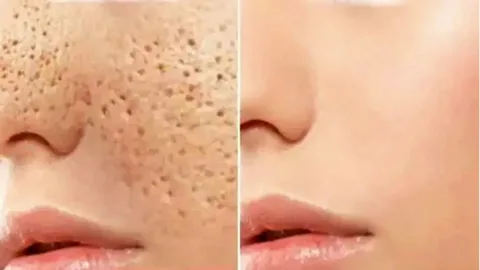


Acne is frustrating enough on its own, but the scars it leaves behind can feel like a permanent reminder of a battle your skin has already fought. For millions of people, acne scars are not just a cosmetic concern; they affect confidence, self-image, and the way a person carries themselves in everyday life. The good news is that acne scars, regardless of their type or severity, are no longer something you simply have to live with. Modern dermatological and cosmetic treatments have advanced to a point where significant and lasting improvement is genuinely achievable for most patients. Understanding the right treatment path for your specific scar type is the first and most important step, and consulting a qualified Best Plastic Surgeon ensures that deeper, structural scars are assessed and treated with the precision and expertise they require.
Understanding the Types of Acne Scars
Not all acne scars are the same, and this distinction matters enormously when it comes to choosing the right treatment. Atrophic scars are the most common type and include icepick scars, which are narrow and deep, boxcar scars, which have sharply defined edges and a wide base, and rolling scars, which create a wave-like uneven texture across the skin. Hypertrophic and keloid scars are raised above the skin surface and result from an overproduction of collagen during healing. Post-inflammatory hyperpigmentation, the dark spots that remain after a pimple heals, is technically not a scar but is often confused for one. Each of these conditions responds differently to treatment, which is why an accurate diagnosis from the dermatologist is essential before any treatment plan is initiated.
Laser Treatments for Acne Scars
Laser therapy is one of the most effective and widely used treatments for acne scars today. Fractional CO2 laser and erbium laser treatments work by creating controlled micro-injuries in the skin that stimulate collagen production and resurface the outer layers, gradually smoothing out depressed scars and improving overall skin texture. Non-ablative lasers work beneath the skin surface without removing the top layer, making them suitable for patients with darker skin tones who may be at higher risk of post-treatment pigmentation. Multiple sessions are typically required, spaced four to six weeks apart, and results continue to improve for several months after the final session as collagen remodeling progresses within the deeper layers of the skin.
Microneedling and PRP Therapy
Microneedling, also known as collagen induction therapy, uses fine needles to create thousands of micro-channels in the skin, triggering the body’s natural healing response and stimulating new collagen and elastin production. When combined with Platelet-Rich Plasma, a concentrate derived from the patient’s own blood that is rich in growth factors, the results are significantly enhanced. PRP accelerates tissue repair, improves skin quality, and helps fill in shallow to moderate atrophic scars over a course of treatment sessions. This combination is particularly effective for rolling and boxcar scars and carries a low risk of side effects since it uses the patient’s own biological material.
Chemical Peels and Subcision
Chemical peels use acids such as glycolic acid, trichloroacetic acid, or salicylic acid to exfoliate the damaged outer layers of skin and stimulate cellular renewal. Superficial peels address pigmentation and mild textural irregularities, while medium and deep peels can produce more significant improvements in moderate scarring. Subcision is a minor surgical procedure specifically designed for rolling scars, in which a fine needle is inserted beneath the scar to break the fibrous bands that tether the skin downward, allowing the depressed area to lift and gradually fill in. It is often combined with fillers or PRP for enhanced and longer-lasting results.
Conclusion
Acne scars do not have to be permanent. With the range of advanced treatments available today, from laser resurfacing and microneedling to chemical peels and subcision, meaningful and lasting improvement is within reach for virtually every scar type and skin tone. The key is to begin with an accurate diagnosis, choose the right combination of treatments for your specific scars, and follow a consistent plan under expert medical supervision. Results take time and patience, but the transformation that comes from properly treated acne scars goes far beyond skin deep. It restores confidence, self-assurance, and the freedom to face the world without hesitation.
Frequently Asked Questions
Q1. Can acne scars be removed permanently?
Significant and long-lasting improvement is achievable with the right treatments, though complete removal depends on the scar type and depth. Most patients experience a dramatic reduction in scar visibility, smoother skin texture, and improved overall appearance after a proper course of treatment.
Q2. Which treatment is best for deep acne scars like icepick scars?
Icepick scars are among the most challenging to treat due to their depth and narrow structure. Treatments such as TCA CROSS, a technique involving the precise application of high-concentration trichloroacetic acid into the scar, combined with fractional laser and subcision, tend to produce the best results for this specific scar type.
Q3. How many sessions are needed to see results?
This depends on the type and severity of scarring as well as the treatment chosen. Most laser and microneedling protocols involve three to six sessions spaced four to six weeks apart, with visible improvements continuing for up to six months after the final treatment as collagen remodeling progresses.
Q4. Is acne scar treatment safe for dark skin tones?
Yes, but treatment selection must be done carefully. Certain lasers and deep peels carry a higher risk of post-inflammatory hyperpigmentation in darker skin tones. Non-ablative lasers, microneedling, and carefully selected chemical peels are generally safer options and should always be administered by an experienced specialist familiar with treating diverse skin types.
Q5. What is the minimum age for acne scar treatment?
Most acne scar treatments are suitable for patients above the age of eighteen, once active acne has been brought under control. Treating scars while active breakouts are still occurring is generally not recommended, as new acne can continue to create fresh scarring and undermine treatment results.