
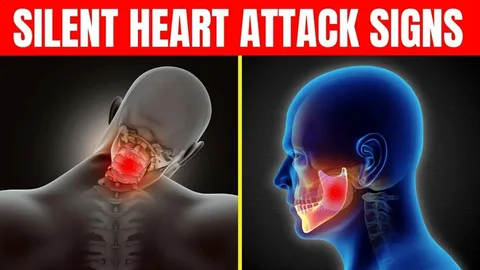


A heart attack doesn’t always look like the movies. There isn’t always a dramatic clutch of the chest and a sudden collapse. In real life, a heart attack often begins quietly, with symptoms vague enough to be mistaken for gas, fatigue, or anxiety. That’s exactly what makes it so dangerous. The people who survive heart attacks well are usually the ones who recognised the signs early and acted fast. Every minute counts, and knowing when to rush to a hospital or when to call a Cardiologist can be the difference between full recovery and permanent damage.
This guide breaks down the warning signs of a heart attack, the subtle ones included, and exactly what to do when they appear.
What Happens During a Heart Attack
A heart attack occurs when blood flow to a part of the heart muscle is suddenly blocked, usually by a clot in a narrowed artery. Without oxygen-rich blood, that section of heart muscle begins to die within minutes. This is why speed matters so much. The faster the blood flow is restored, the less permanent the damage.
The Classic Warning Signs
These are the symptoms most people commonly associate with a heart attack, and they continue to be the most recognised warning signs.
Chest discomfort is one of the most important symptoms that should never be ignored. It may feel like pressure, tightness, squeezing, or heaviness in the centre or left side of the chest, lasting for several minutes or appearing on and off. The pain can also spread to the left arm, both arms, shoulders, neck, jaw, or upper back. Shortness of breath often occurs alongside it and, in some cases, may appear even without chest pain. Other major warning signs include sudden cold sweats, unexplained clamminess, nausea, vomiting, or a persistent indigestion-like sensation that does not improve.
Seeking timely care at a trusted Multispeciality Hospital can help ensure rapid diagnosis and immediate treatment during such emergencies. If chest discomfort lasts more than a few minutes or disappears and returns, it should be treated as a medical emergency.
The Subtle Signs People Often Miss
Not every heart attack announces itself loudly. Some, especially in women, older adults, and people with diabetes, show up in quieter ways. These subtle presentations are easy to dismiss until it’s too late.
Watch for unusual, extreme fatigue, the kind that appears suddenly and isn’t explained by activity. Lightheadedness or dizziness, sometimes with a feeling of impending fainting. Discomfort that sits in the jaw, neck, or back rather than the chest. A vague sense of unease or anxiety that something is wrong. Sudden breathlessness while resting or doing light tasks. Pain that mimics indigestion or heartburn but doesn’t respond to antacids. These signs are easy to brush off, which is exactly why they’re so dangerous.
Heart Attack Symptoms Can Differ by Person
Heart attacks don’t present identically in everyone. Men more often experience the classic crushing chest pain. Women are more likely to have subtler symptoms, fatigue, nausea, jaw or back pain, and breathlessness, which is partly why heart attacks in women are more often missed or diagnosed late. People with diabetes may have reduced pain sensation and can experience a “silent” heart attack with very mild or no chest pain at all. Older adults, too, may show confusion, weakness, or fainting rather than obvious chest pain. Knowing this variation matters because waiting for “textbook” symptoms can cost precious time.
What to Do If You Suspect a Heart Attack
The right response in the first few minutes can save a life. Call emergency services immediately; do not wait to see if symptoms pass. Do not attempt to drive yourself to the hospital. Sit down, stay calm, and rest while waiting for help. If advised by a doctor and not allergic, chewing an aspirin can help, but only if there’s no contraindication. If the person becomes unconscious and isn’t breathing normally, CPR should be started right away by anyone trained. The single biggest mistake people make is waiting, telling themselves it’s probably nothing. With a heart attack, it’s always safer to be wrong at the hospital than right at home.
Who Is at Higher Risk
Some people need to be especially alert to these warning signs. Risk rises with high blood pressure, high cholesterol, diabetes, smoking, obesity, and a sedentary lifestyle. A family history of heart disease matters, as does age and chronic stress. Indians, in particular, tend to develop heart disease earlier than many other populations. If several of these apply to you, regular heart check-ups and a low threshold for taking symptoms seriously are simply good sense.
Conclusion
A heart attack is one of the few medical emergencies where your own awareness can directly save your life, or someone else’s. The warning signs aren’t always dramatic. Sometimes they’re loud and obvious, sometimes quiet and easy to dismiss. What matters is taking them seriously and acting fast. If something feels wrong with your chest, your breathing, or your energy, and especially if it doesn’t pass, don’t wait it out. Get help immediately.
FAQs
Q1. How long do heart attack symptoms last before they become serious? The heart muscle begins to die within minutes of blocked blood flow. Any chest discomfort lasting more than a few minutes is an emergency.
Q2. Can a heart attack happen without chest pain? Yes. Silent heart attacks, common in people with diabetes, women, and older adults, can occur with little or no chest pain.
Q3. Is arm pain always a sign of a heart attack? Not always, but pain spreading to the left arm, both arms, jaw, or back alongside other symptoms is a serious warning sign.
Q4. Should I drive myself to the hospital during a heart attack? No. Call emergency services. Driving yourself is dangerous if you lose consciousness or if your symptoms worsen suddenly.
Q5. Can young people have heart attacks? Yes. Heart attacks are rising among younger Indians due to stress, poor diet, smoking, and sedentary lifestyles.