
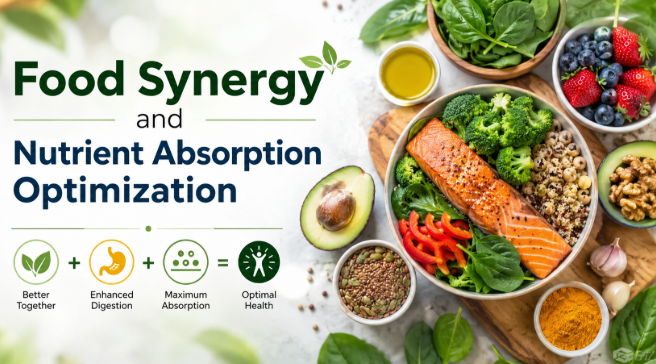


Introduction to Food Synergy
Food synergy is a term that encapsulates the principle that the nutritional benefits of certain foods can be enhanced when consumed together, forming a complementary nutritional effect. This phenomenon suggests that the interactions among various nutrients in foods can lead to improved absorption and utilization within the body, surpassing the potential benefits of individual ingredients when consumed in isolation. The concept challenges the traditional perception that each nutrient functions independently, emphasizing instead a more holistic approach to nutrition.
Research into food synergy has revealed that specific combinations of food can significantly influence the bioavailability of essential nutrients. For example, the presence of fat can enhance the absorption of fat-soluble vitamins such as A, D, E, and K, thereby increasing their efficacy. Similarly, pairing foods rich in vitamin C, like tomatoes or bell peppers, with iron-rich foods, such as spinach or red meat, can enhance iron absorption in the body, which is particularly beneficial for individuals at risk of deficiency.
Moreover, phytochemicals and antioxidants found in foods can also work synergistically. For instance, the phytochemicals in garlic can boost the body’s capacity to utilize plant-derived iron when consumed alongside legumes. By understanding the interactions between different food components, individuals can optimize their dietary choices to bolster health and promote nutrient absorption effectively.
In this regard, food synergy is not merely an abstract concept; it underscores the importance of variety and strategy within a balanced diet. Individuals aiming for optimal health should consider not only the nutrients they are consuming but also how these nutrients work together to enhance overall well-being.
Understanding Nutrient Absorption
Nutrient absorption is a crucial biological process that enables the body to utilize the vitamins, minerals, and other essential compounds present in food. This intricate system primarily takes place in the digestive tract, where the body breaks down food into absorbable components. The digestive process begins in the oral cavity, where enzymes in saliva start to degrade food. As the food travels down the esophagus into the stomach, it encounters hydrochloric acid and digestive enzymes that further dismantle its structure.
Once the digested food enters the small intestine, the real absorption begins. Here, specialized cells called enterocytes facilitate the transfer of nutrients into the bloodstream. The wall of the small intestine is lined with villi, tiny finger-like projections that increase the surface area and enable the maximized absorption of various nutrients. Different nutrients are absorbed through different mechanisms; for instance, fatty acids and fat-soluble vitamins are absorbed through passive diffusion, while water-soluble vitamins and certain amino acids utilize active transport mechanisms.
Several factors can influence the efficiency of nutrient absorption. The presence of dietary fat can enhance the absorption of fat-soluble vitamins (A, D, E, and K), while fiber can sometimes impede the uptake of specific minerals due to its binding properties. The health of the gut microbiome also plays a significant role, as it aids in the breakdown of food and enhances nutrient bioavailability. Additionally, individual factors such as age, genetic predisposition, and existing health conditions might alter nutrient absorption efficiency.
Understanding these processes is essential for optimizing nutrient intake and ensuring the body effectively absorbs essential elements needed for overall health. Through careful dietary choices and awareness of individual digestive health, one can promote a more favorable environment for nutrient absorption.
The Role of Macronutrients in Synergy
Macronutrients, namely carbohydrates, proteins, and fats, play a crucial role in overall nutrient absorption and dietary synergy. Each macronutrient contributes unique properties that influence the absorption of vital micronutrients, facilitating a harmonious nutritional profile. Understanding such interactions is essential for optimizing nutrient uptake within the body.
Carbohydrates, primarily found in grains, fruits, and vegetables, provide immediate energy and also act as a catalyst for the absorption of certain vitamins and minerals. For example, the presence of soluble fiber can enhance the bioavailability of minerals like calcium and magnesium in the digestive tract. Moreover, carbohydrates, particularly when consumed in their whole form, can aid in the effective breakdown and utilization of proteins, setting the stage for optimal nutrient delivery.
Proteins, composed of amino acids, play a multifaceted role beyond mere muscle building. Certain amino acids can enhance the absorption of vitamins and minerals. For instance, the presence of protein in a meal significantly aids in the absorption of iron. Iron from plant-based sources is less bioavailable compared to animal sources, but the incorporation of proteins can promote its uptake significantly. Furthermore, proteins also help to stabilize blood sugar levels, which indirectly influences how effectively other nutrients are processed.
Fats, while often mistakenly vilified, are equally essential. They not only provide concentrated energy but also facilitate the absorption of fat-soluble vitamins such as A, D, E, and K. These vitamins require dietary fat to dissolve and be absorbed in the intestines, making it evident that fats are a critical component in achieving a well-rounded nutrient absorption profile. Therefore, including healthy fats in a diet enriches the overall nutritional synergy.
In summary, the interplay between carbohydrates, proteins, and fats illustrates the profound impact macronutrients have on nutrient absorption. Each macronutrient supports and enhances the uptake of others, establishing a framework for a balanced and effective dietary approach.
Micronutrients and Their Interactions
Micronutrients, which include vitamins and minerals, play a crucial role in human health and nutrition. They are essential for various bodily functions and must be consumed in adequate amounts through diet. The concept of food synergy highlights how these micronutrients interact to enhance each other’s absorption and effectiveness, leading to improved health outcomes.
One noteworthy example is the interaction between vitamin C and iron. Vitamin C is known to significantly enhance the absorption of non-heme iron, the type of iron found in plant-based foods. When foods rich in iron, such as spinach or legumes, are consumed with vitamin C sources like citrus fruits, the absorption rates of iron increase. This synergy is particularly important for individuals who rely on plant-based diets, as they often consume non-heme iron, which is less readily absorbed by the body compared to heme iron from animal sources.
Another vital micronutrient interaction occurs between calcium and vitamin D. Vitamin D enhances intestinal absorption of calcium, which is essential for maintaining bone health. A deficiency in vitamin D can lead to lower calcium absorption, potentially leading to bone-related disorders such as osteoporosis. Thus, a diet rich in both calcium and vitamin D is crucial, particularly for at-risk populations, such as older adults.
Furthermore, the combination of zinc and copper illustrates another example of micronutrient interplay. These two trace minerals often compete for absorption in the gut. To maintain optimal levels, a balanced intake of both is necessary, as excess zinc may interfere with copper absorption and vice versa. Understanding these interactions allows individuals to make informed dietary choices that promote better nutrient absorption and overall health.
Examples of Food Synergy in Practice
Understanding food synergy is vital for optimizing nutrient absorption in our daily diets. Several food combinations exemplify how certain pairings can enhance bioavailability and nutrient uptake, thereby maximizing the health benefits of various ingredients. One notable synergy occurs between tomatoes and olive oil. Tomatoes are a rich source of lycopene, an antioxidant that promotes heart health and reduces the risk of certain cancers. However, lycopene is a fat-soluble compound, meaning its absorption is significantly improved when paired with healthy fats like those found in olive oil. Including a drizzle of olive oil over a fresh tomato salad not only enhances flavor but also increases the nutritional advantages.
Another excellent example can be seen with spinach and citrus fruits. Spinach contains non-heme iron, which is less readily absorbed by the body compared to heme iron found in animal products. However, the vitamin C found in citrus fruits such as oranges, lemons, and grapefruits can significantly boost the absorption of non-heme iron. A salad featuring spinach with slices of orange or a citrus vinaigrette serves as a practical and delicious method to augment iron uptake, highlighting the importance of strategic food pairings.
Moreover, pairing beans with whole grains represents another effective synergy. Beans are a fantastic source of protein but are often low in certain amino acids, specifically methionine. Whole grains, such as rice or quinoa, complement beans by providing this missing amino acid. Consuming them together, as seen in traditional dishes like rice and black beans, not only enhances the overall protein quality but also ensures that the body receives a complete amino acid profile.
Lastly, incorporating fat when consuming foods rich in vitamins A, D, E, and K can significantly enhance their absorption. For instance, adding avocados or nuts to salads containing vegetables rich in these vitamins can promote better uptake, ensuring that the body makes the most of them. These examples illustrate that mindful food pairing can lead to improved nutrient absorption and contribute to overall health.
Cooking Methods and Their Impact on Nutrient Absorption
Cooking methods play a vital role in determining the nutrient content of food, influencing both nutrient retention and availability for absorption in the human body. Different techniques can either enhance or diminish the nutritional quality of ingredients, highlighting the importance of selecting appropriate cooking methods for optimal nutrient utilization.
Steaming is often recommended as one of the best methods for preserving nutrients. This technique involves cooking food using steam heat, which helps to maintain a higher level of vitamins and minerals compared to other methods. For example, studies have shown that steaming broccoli retains a significant amount of its vitamin C and other phytonutrients compared to boiling, where nutrients can leach into the cooking water. This means that for foods rich in water-soluble vitamins, such as B vitamins and vitamin C, steaming could be more effective in preventing nutrient loss.
Boiling, on the other hand, can lead to notable nutrient loss, particularly when foods are submerged in water for extended periods. The higher temperatures and prolonged exposure to water can result in the degradation of heat-sensitive vitamins. Furthermore, boiling not only diminish the nutritional content of vegetables but also often leads to a considerable loss of minerals and antioxidants, which are critical for health. Although boiling can be beneficial for cooking legumes and certain grains, where some nutrient losses are offset by an increase in digestibility, caution should be exercised.
Other cooking methods, such as sautéing or roasting, can also impact nutrient absorption. Although these techniques may lead to some loss of vitamins, they often enhance the availability of fat-soluble nutrients like vitamins A, D, E, and K through the addition of healthy fats. Understanding the synergies and interactions of cooking methods can greatly assist in maximizing nutrient absorption, ensuring that meals are not only delicious but also nutritious.
Personalizing Your Diet for Optimal Absorption
Tailoring your diet to enhance nutrient absorption is a nuanced process that hinges upon individual health requirements, preferences, and lifestyle choices. Personalizing your meals involves understanding food synergy—the concept that certain foods work better together to maximize the absorption of nutrients. For individuals with specific health conditions, such as diabetes or gluten intolerance, adapting one’s diet can not only improve nutrient uptake but also positively impact overall well-being.
First and foremost, it is essential to know your unique dietary needs. Consulting with a healthcare provider or a registered dietitian can provide valuable insights into the nutrients you may lack or excesses that could be harmful. Once this knowledge base is established, you can incorporate food combinations that enhance the absorption of essential vitamins and minerals. For example, consuming vitamin C-rich foods, like oranges or bell peppers, alongside iron-rich foods—such as spinach or red meat—can substantially improve iron absorption.
Moreover, lifestyle considerations play a significant role in meal planning. If you’re an active individual, incorporating proteins with healthy fats—like avocados or nuts—can enhance nutrient absorption through improved digestion. Additionally, consider your meal timing; some nutrients are better absorbed when consumed at particular times. For instance, calcium supplements are often recommended to be taken at separate times from iron supplements to prevent absorption interference.
In crafting daily meals, it may be beneficial to experiment with various food pairings. For instance, pairing fatty fish with leafy greens amplifies omega-3 fatty acid absorption, while incorporating fermented foods can enhance gut health, further improving nutrient absorption. Personalizing your diet with a variety of food combinations, while factoring in your health conditions and activity levels, enables a more harmonious and effective approach to nutrient absorption.
Common Myths about Nutrient Absorption
Nutrient absorption is a complex process that is frequently misunderstood, leading to the persistence of various myths surrounding it. One common myth is that taking vitamin supplements automatically compensates for a poor diet. While supplements can help fill nutritional gaps, they cannot fully replicate the synergistic benefits provided by whole foods. Whole foods contain multiple nutrients that work together to enhance absorption and effectiveness, an interplay that isolated supplements may not achieve.
Another prevalent misconception is that consuming certain nutrients ensures their maximum absorption. For instance, many believe that taking vitamin D alone is enough to enhance calcium absorption. However, research indicates that magnesium and vitamin K also play critical roles in calcium metabolism. This illustrates the importance of a holistic approach to nutrition that considers the interplay of various nutrients rather than focusing solely on individual components.
Furthermore, the notion that more is always better in terms of nutrient intake is misleading. Many people assume that consuming excessive amounts of a nutrient will result in better health outcomes. In reality, this can lead to adverse effects, such as toxicity or imbalances affecting absorption and utilization. Optimal health is achieved not through excess but through balance, where nutrients complement each other and work optimally within the body.
Lastly, a myth exists that cooking depletes food of essential nutrients, leading individuals to consume raw diets exclusively. While it is true that some cooking methods can reduce specific nutrients, others can enhance their bioavailability. For example, cooking tomatoes increases the availability of lycopene, an important antioxidant. In summary, understanding the myths surrounding nutrient absorption highlights the need for evidence-based nutrition practices that promote a balanced and varied diet, embracing the synergistic benefits of whole foods.
Conclusion and Practical Tips
In conclusion, the concept of food synergy emphasizes the importance of combining various foods to enhance nutrient absorption, promote overall health, and reduce the risk of chronic diseases. Throughout this discussion, we have explored how certain food pairings can dramatically improve the bioavailability of vital nutrients, such as vitamins, minerals, and antioxidants. By understanding the relationships between different food types, individuals can make informed choices that bolster their health and well-being.
To start implementing food synergy in your diet, consider some practical tips. First, aim to create balanced meals that include a variety of food groups. For example, pairing vitamin C-rich foods, such as bell peppers or citrus fruits, with iron sources like spinach or legumes can significantly enhance iron absorption. This is due to vitamin C’s ability to convert non-heme iron into a more readily absorbable form.
Another effective strategy is to incorporate healthy fats into your meals. Foods high in healthy fats, such as avocados or nuts, can increase the absorption of fat-soluble vitamins—A, D, E, and K—from vegetables. For instance, enjoying a spinach salad with olive oil dressing not only elevates the meal’s flavor but also maximizes nutrient intake.
Additionally, try to experiment with different flavors and ingredients to discover new food pairings. Mixing foods from various color groups ensures a wider range of nutrients and antioxidants. Aim for colorful dishes, as this often indicates a variety of phytochemicals that work synergistically to support health.
By making these conscious choices and regularly incorporating food synergy principles into your meals, you can optimize nutrient absorption and create enjoyable eating experiences. Exploring new combinations may also lead to culinary delights that nourish both your body and palate.