
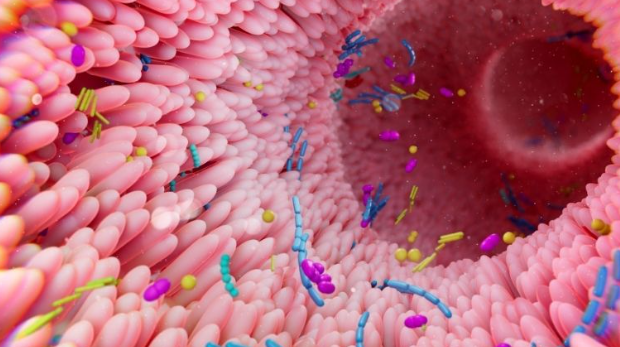


Introduction to the Gut Microbiome
The gut microbiome refers to the diverse community of microorganisms, including bacteria, viruses, fungi, and protozoa, that reside in the gastrointestinal tract of humans. This intricate ecosystem plays a fundamental role in our overall health, influencing a variety of physiological processes and maintaining homeostasis. The microbiome consists of trillions of microbial cells, with estimates suggesting that there are more microbial cells in the human gut than there are human cells in the entire body.
Research has identified hundreds of different species of bacteria that inhabit the gut, each contributing uniquely to metabolic processes, immune function, and even psychological health. While some of these microorganisms are beneficial and necessary for processes such as digestion and the synthesis of vitamins, others can be harmful when present in excessive amounts or in the wrong balance.
The significance of the gut microbiome extends beyond digestion; it is also integral to immune system function and has been found to impact diseases ranging from allergies to obesity and psychiatric disorders. As a multi-faceted regulator, the microbiome interacts with dietary factors, lifestyle choices, and environmental influences, which can alter its composition and function.
Recent advances in microbiome research have revolutionized the way scientists understand gut health. Technologies such as metagenomic sequencing have enabled detailed characterization of microbial communities and their functions, paving the way for personalized approaches to healthcare based on individual microbiome profiles. This burgeoning field holds promise for novel therapeutic strategies and preventive measures aimed at optimizing health through microbiome modulation.
Recent Advances in Gut Microbiome Research
The field of gut microbiome research has witnessed remarkable advancements in recent years, driven by technological innovations and a deeper understanding of the complex interaction between the microbiome and human health. One of the significant breakthroughs has been the development of high-throughput sequencing technologies, which allow for comprehensive analysis of the microbial communities residing in the gut. These techniques enable researchers to map the entire microbiome with unprecedented accuracy, identifying microbial species and their potential functions within the human body.
Recent studies have revealed crucial insights into how gut microbiota influence a myriad of health conditions, ranging from metabolic disorders to mental health issues. For example, emerging evidence suggests that gut bacteria play a vital role in the modulation of immune responses, thereby impacting the pathogenesis of autoimmune diseases. Further, research has identified specific microbial metabolites that can affect neurochemical pathways, showcasing a direct link between gut health and cognitive function.
Additional significant findings include the relationship between diet, microbiome composition, and health outcomes. Investigations into the effects of dietary patterns on the gut microbiome have shown that a high-fiber diet promotes beneficial bacteria, which in turn may reduce the risk of chronic diseases such as obesity and diabetes. These findings underscore the importance of incorporating a balanced diet rich in prebiotics and probiotics to foster a healthy microbiome.
Moreover, advancements in bioinformatics and data analytics have paved the way for personalized medicine approaches. By analyzing an individual’s unique microbiome profile, it is now possible to tailor dietary and therapeutic interventions aimed at optimizing health and mitigating disease risks. Overall, the continuous exploration of gut microbiome research is unlocking invaluable knowledge about the intricate links between our microbial companions and overall well-being.
The Link Between Gut Microbiome and Physical Health
The gut microbiome, a complex ecosystem of microorganisms residing in our intestines, plays a pivotal role in various aspects of physical health. Emerging research has shown that these microorganisms are not simply passive inhabitants; rather, they actively influence vital bodily functions such as digestion, metabolism, and immune response.
One significant aspect of gut microbiome function is digestion. The diverse range of bacteria in the gut aids in breaking down complex carbohydrates and fibers that the human digestive system cannot handle alone. This interaction not only facilitates nutrient absorption but also produces short-chain fatty acids, which are essential for maintaining gut health and reducing inflammation. Disruptions in this microbial balance can lead to digestive disorders, including irritable bowel syndrome (IBS) and inflammatory bowel disease (IBD).
Furthermore, the gut microbiome has been implicated in metabolic health, particularly concerning obesity and diabetes. Studies have indicated that individuals with obesity often exhibit a different composition of gut bacteria compared to those with a healthy weight. Specifically, a lower diversity of gut microbiota is linked to an increased risk of metabolic disorders. Research published in prominent journals highlights how certain microbial populations can influence the way our bodies extract energy from food, thereby affecting body weight and fat storage.
Moreover, the gut microbiome is integral to immune function. Approximately 70% of the immune system is located in the gastrointestinal tract, where gut flora assists in the development and regulation of immune responses. An imbalance in gut bacteria may contribute to conditions such as allergies, autoimmune diseases, and even certain infections.
In conclusion, the gut microbiome is essential for maintaining physical health, with its influence extending to digestion, metabolism, and immune system regulation. Understanding these links opens new avenues for potential therapeutic interventions targeting these microbial communities to enhance overall health and manage disease.
Mental Health and the Gut-Microbiome Connection
The connection between gut microbiome composition and mental health is an emerging field that has garnered significant attention in recent years. Research indicates a complex interplay between the gastrointestinal tract and mental processes, often referred to as the gut-brain axis. This bi-directional communication pathway involves neural, hormonal, and immunological signals that contribute to emotional and cognitive functions.
Studies have begun to uncover how specific gut bacteria may influence neurotransmitter levels, particularly serotonin, which is a key neurotransmitter responsible for regulating mood and emotional responses. For instance, some probiotic strains such as lactobacillus and bifidobacterium have been shown to produce metabolites that can positively affect the brain’s biochemistry. This implies that a healthy gut microbiome may have a direct correlation with improved mental health outcomes such as reduced anxiety and depression.
Additionally, research involving animal models has demonstrated that alterations in gut microbiota can lead to observable changes in behavior. For example, germ-free mice, which lack gut bacteria, exhibit heightened stress responses and anxiety-like behaviors. When these mice are introduced to specific gut microbes, many of these behaviors are reversed, providing compelling evidence of the gut’s influence on mental states.
Furthermore, recent clinical studies have begun to evaluate the effects of probiotics on mental health. Patients undergoing treatment for depression and anxiety have reported significant improvements when administered probiotics alongside conventional therapies. Understanding the mechanisms behind these effects is crucial for developing innovative interventions that integrate gut health with mental wellness.
In light of these findings, it is clear that maintaining a balanced gut microbiome is not only essential for physical health but may also have profound implications for mental well-being. Further research will be critical in delineating the precise pathways through which gut health impacts mood and cognition, thereby paving the way for new therapeutic approaches in mental health care.
Gut Microbiome, Diet, and Lifestyle Factors
The gut microbiome consists of a complex community of microorganisms residing in the gastrointestinal tract, influencing various aspects of human health. Recent research has delved deeply into how dietary choices and lifestyle habits significantly impact the composition and functionality of these gut bacteria. A balanced diet rich in diverse nutrients plays a crucial role in shaping a healthy microbiome.
Probiotics, which are live beneficial bacteria found in fermented foods such as yogurt, kefir, and sauerkraut, have been shown to support the growth of healthy gut flora. These organisms can aid in digestion, boost immunity, and potentially even improve mood by influencing the gut-brain axis. Similarly, prebiotics, predominantly found in foods high in fiber, such as onions, garlic, and legumes, serve as food for beneficial bacteria, facilitating their growth and activity.
Incorporating fiber into the diet is essential, as it not only aids in digestion but also acts as a substrate for the beneficial bacteria in the gut. Fermented foods, which contain both probiotics and prebiotics, contribute to maintaining a healthy microbiome. Research suggests that these foods can enhance gut barrier function, reducing the likelihood of gastrointestinal issues and systemic inflammation.
Lifestyle factors, such as stress management, physical activity, and adequate sleep, also play a pivotal role in gut health. Chronic stress can negatively affect the microbial balance, leading to digestive disorders and other health issues. Engaging in regular physical activity has been linked with increased microbial diversity, whereas poor sleep can disrupt the microbiome’s stability. Thus, adopting a holistic approach that includes a balanced diet and positive lifestyle alterations can significantly benefit gut health and overall well-being.
Diseases Associated with Gut Microbiome Dysbiosis
The gut microbiome plays a critical role in maintaining overall health, and disturbances in its balance, known as dysbiosis, have been linked to various diseases and conditions. Among the most notable are inflammatory bowel diseases (IBD), which include Crohn’s disease and ulcerative colitis. In these conditions, an imbalanced gut microbiome can trigger chronic inflammation and contribute to the escalation of symptoms. Research indicates that individuals with IBD often exhibit reduced microbial diversity, which may compromise gut barrier function and immune responses, further exacerbating the disease.
Allergies represent another condition associated with gut microbiome dysbiosis. An altered microbiome can lead to inappropriate immune system reactions, resulting in allergic responses. Studies suggest that early-life disruptions in gut microbial composition, often due to factors such as antibiotic use or dietary changes, can increase the risk of developing allergies and asthma in later childhood. This connection underscores the importance of sustaining a healthy microbiome from an early age.
Furthermore, chronic diseases like obesity and type 2 diabetes also demonstrate associations with gut microbiome dysbiosis. Various microbial populations can influence metabolic processes, impacting energy balance and glucose regulation. For instance, certain bacterial groups linked to obesity tend to enhance energy extraction from food, while a healthy microbiome composition may promote better insulin sensitivity and metabolic health.
Autoimmune disorders, such as rheumatoid arthritis and multiple sclerosis, have also been associated with dysbiosis. The gut microbiome’s interaction with the immune system plays a fundamental role in regulating inflammation and immune responses. Disruptions in microbial balance may exacerbate autoimmune reactions, leading to further health complications.
The Role of Gut Microbiome in Disease Prevention and Management
The gut microbiome, a complex community of microorganisms residing in the digestive tract, has surfaced as a critical player in disease prevention and management. Through an intricate relationship with the host’s immune system, the gut microbiome influences various physiological processes, including metabolism, immune function, and even mood regulation. Disruption of this microbiome can lead to an array of health issues, ranging from gastrointestinal disorders to autoimmune diseases and metabolic syndromes.
Research in the field has shown that a diverse and balanced gut microbiome is essential for maintaining bodily health. Dysbiosis, an imbalance in the microbial community, can correlate with disease prevalence, highlighting the significance of monitoring and modifying gut flora. Understanding the connections between the gut microbiome and various health conditions opens avenues for innovative preventive and therapeutic strategies.
One promising approach involves personalized microbiome therapies, which tailor treatments based on an individual’s unique microbial composition. Such personalized strategies can significantly enhance treatment efficacy while minimizing adverse effects. Probiotics, beneficial bacteria that can restore microbial balance when ingested, are another intervention gaining traction. They have demonstrated potential in alleviating conditions such as irritable bowel syndrome (IBS), inflammatory bowel disease (IBD), and even mental health disorders.
Furthermore, lifestyle interventions, including dietary changes, regular exercise, and stress management, play a vital role in sustaining a healthy gut microbiome. A diet rich in fibers, prebiotics, and fermented foods supports microbial diversity, promoting overall health and mitigating disease risks. These holistic approaches that encompass diet, physical activity, and microbial therapies represent a forward-thinking paradigm in health management.
In conclusion, the gut microbiome holds immense potential in the realm of disease prevention and management, urging both researchers and healthcare providers to integrate microbiome-focused strategies into their practices for improved health outcomes.
Future Directions in Gut Microbiome Research
The field of gut microbiome research is poised for significant advancement, with multiple avenues of exploration emerging as potential game-changers in our understanding of human health. As our awareness of the microbiome’s complex interplay with various physiological systems increases, researchers are focusing more intently on microbiome-targeted therapies. These innovative treatments aim to either modify the microbiome composition or leverage its metabolic outputs to enhance health outcomes. For instance, the development of specific probiotics and prebiotics tailored to restore gut health in various conditions demonstrates the potential of this approach.
Furthermore, numerous ongoing clinical trials are investigating the therapeutic effects of microbiome modulation on conditions including obesity, diabetes, and inflammatory bowel disease. These trials are essential for determining the efficacy and safety of microbiome-based interventions, and their outcomes could revolutionize treatment protocols. As we look to the future, the importance of evidence-based research in this area cannot be overstated, as it will guide clinical practices and inform regulatory policies.
In addition to targeted therapies, the integration of artificial intelligence (AI) into microbiome studies represents an exciting frontier. AI techniques, including machine learning and data analytics, allow researchers to process vast quantities of microbiome data efficiently. By identifying patterns and correlations that may not be immediately evident, AI can assist in predicting treatment responses and personalizing healthcare strategies. This innovative application of technology is not only enhancing the depth of microbiome research but also facilitating the identification of new microbial biomarkers that could serve as diagnostic tools.
Overall, the future of gut microbiome research appears promising, with emerging therapies and technological advancements paving the way for improved health strategies. As we continue to decipher the complexities of the microbiome, these efforts will undoubtedly contribute to a more nuanced understanding of human health and disease.
Conclusion: The Integrated Approach to Health and the Microbiome
The exploration of the gut microbiome has unveiled its profound impact on various aspects of human health. Research demonstrates that the microbial community residing in our gastrointestinal tract plays a crucial role not only in digestion but also in influencing metabolic processes, immune responses, and even neurological health. This multifaceted relationship suggests that the microbiome is an integral component of the overall health matrix.
In recent years, studies have highlighted the connection between gut microbiota and a plethora of health conditions, ranging from gastrointestinal disorders to mental health issues. The findings underscore the importance of recognizing the microbiome as more than just a passive inhabitant of our bodies; it is an active player in maintaining health and well-being. Thus, comprehensive approaches to healthcare must incorporate microbiome considerations, engaging in practices that promote a healthy gut flora.
Furthermore, an integrated approach to health that embraces the complexities of the microbiome could revolutionize preventive medicine and therapeutic strategies. Future research should aim to elucidate the specific mechanisms by which gut bacteria influence health outcomes, which could lead to bespoke nutritional plans and probiotic therapies tailored to individual microbiota profiles.
Adopting such an integrated model will not only facilitate advancements in medical treatments but will also empower individuals to take proactive roles in their health through lifestyle and dietary modifications. By prioritizing microbiome health, society may unlock pathways to enhance longevity and quality of life, addressing chronic illnesses that have plagued modern health systems. Therefore, placing the microbiome at the center of health strategies marks a significant shift toward holistic health management, encouraging a broader understanding of what it means to be truly healthy.