
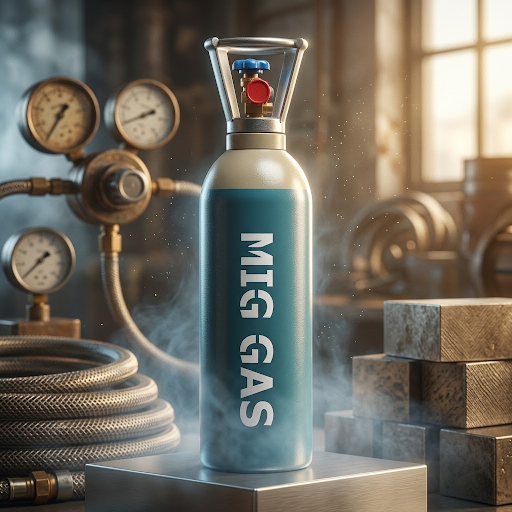


In the realm of engineering, the importance of an oxy acetylene supply cannot be overstated. This gas is indispensable in many engineering applications, particularly in welding and cutting processes. A reliable supply ensures efficient, precise work, which is critical in maintaining the structural integrity of constructions and machinery.
The Role of Gas Supply in Engineering
Engineering processes rely heavily on the constant availability of specialised gases. These gases are utilised in various forms and for diverse applications, making their supply chain an integral part of the engineering industry. Companies such as Coregas Australia play a pivotal role in ensuring that industries have access to the gases they require.
Without dependable gas supply chains, engineering projects may face significant downtimes and operational disruptions. This reliability is essential not only for operational success but also for safety and compliance with industry standards.
Welding and Cutting Applications
One of the most common engineering processes reliant on gas supply is welding. Oxy acetylene is widely used due to its high-temperature flame, which is essential for metal fabrication and joining. The precision of these processes is heavily contingent on the quality and consistency of gas supplied.
Gas supply also affects cutting operations, where consistency in gas quality and flow impacts the precision and speed of cutting tasks. Uninterrupted supply is necessary to ensure that engineering projects are not delayed, maintaining productivity and efficiency.
Gas as a Cooling Agent
Beyond welding and cutting, gases like helium find use in cooling and heating applications. Engineering tasks often require specific temperatures, and gases help achieve these conditions effectively. The availability of diverse helium cylinder options allows engineers to select appropriately for the necessary cooling applications.
Precision Gas Use in Electronics Engineering
Electronics engineering also heavily depends on specific gases for manufacturing processes like semiconductor production. Gases such as nitrogen and argon are used to create inert atmospheres, crucial for avoiding contamination of sensitive components.
The quality of these gases can significantly affect the yield and quality of the final products. Thus, a reliable supply chain that ensures high purity and consistency is critical for electronics manufacturers.
Role of Gases in Petrochemical Engineering
In the petrochemical industry, gases such as hydrogen are indispensable for refining processes and chemical synthesis. Gas-powered reactions must occur under precise conditions, which can only be maintained through an unwavering gas supply.
The petrochemical sector benefits significantly from suppliers like Coregas Australia, whose logistics and extensive service networks enable efficient operations throughout the industry.
Medicinal Gas Use and Safety
Gases also play crucial roles in medical and biochemical engineering; for example, medical-grade gases are used in labs and hospitals. These must be delivered with high standards of safety and consistency to ensure patient safety and accurate lab results.
Gas suppliers are thus critical in ensuring that labs and medical facilities remain compliant with health regulations, underscoring the importance of a dependable gas supply chain.
Environmental Considerations
The engineering sector is increasingly adopting more sustainable practices. This includes the refinement and utilisation of eco-friendly gases to reduce environmental impact while maintaining efficient operations.
The industry has seen an increase in demand for reliable suppliers that can provide sustainable alternatives, ensuring that engineering processes align with green initiatives.
Conclusion
Engineering processes are deeply intertwined with gas supply systems. The dependability of these systems affects not just operational efficiency, but also the safety, quality, and sustainability of engineering projects.
Coregas Australia is a notable example of a supplier supporting various sectors in achieving their engineering goals through reliable gas products and services. Ensuring a steady supply of quality gases is crucial for innovation and progress across engineering disciplines.