
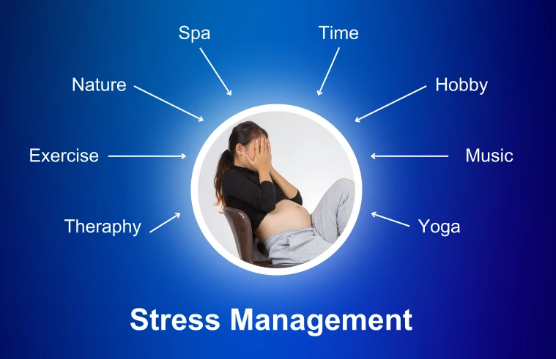


Understanding Stress and Its Effects
Stress is a natural response to challenging situations, often characterized by feelings of tension, anxiety, or agitation. It arises when an individual perceives a discrepancy between the demands placed upon them and their ability to meet those demands. Understanding the effects of stress is crucial for recognizing its impact on both psychological and physical health.
Psychologically, stress can lead to a range of issues, including heightened anxiety, irritability, and diminished cognitive function. Chronic stress has been linked to mental health disorders such as depression and anxiety disorders. When individuals experience prolonged stress, their ability to cope effectively diminishes, potentially leading to a vicious cycle of increased stress and reduced emotional wellness.The Mental Health Benefits of Spending Just Twenty Minutes in Nature
On the physical side, stress triggers a variety of physiological responses in the body, activating the sympathetic nervous system. This initiates the ‘fight or flight’ response, increasing heart rate, blood pressure, and levels of stress hormones such as cortisol. Over time, these physiological changes can contribute to serious health problems, such as cardiovascular disease, obesity, and a weakened immune system. Understanding these effects is essential for developing effective stress management strategies.
Everyday life presents myriad sources of stress, ranging from workplace pressures, family responsibilities, and financial challenges to health issues and societal expectations. Each individual’s response to stress can vary significantly based on personal experiences, coping mechanisms, and support systems. Identifying specific stressors is a key step in mitigating their effects and enhancing overall emotional wellness. By gaining insight into the sources of stress and their impacts, individuals can take proactive steps towards managing stress and improving their emotional health.
Mindfulness and Meditation Practices
In today’s fast-paced world, individuals often struggle with stress and emotional upheaval. One effective way to combat these challenges is through the practice of mindfulness and meditation. These techniques are designed to promote relaxation and bring about a state of emotional stability.
Mindfulness involves being fully present in the moment and acknowledging one’s thoughts and feelings without judgment. This practice encourages individuals to focus on their current experiences rather than being overwhelmed by past regrets or future anxieties. Engaging in mindfulness can significantly lower stress levels, as it shifts attention away from ruminative thoughts that exacerbate negative emotions.
Meditation, on the other hand, serves as a tool to cultivate mindfulness. Various forms of meditation exist, such as guided imagery, transcendental meditation, and loving-kindness meditation. Each offers unique benefits; for example, guided imagery can help individuals visualize calming scenes, thus enhancing their relaxation experience. Transcendental meditation involves silently repeating a mantra to foster a deep state of rest, which is known to alleviate stress and promote mental clarity.
Both mindfulness and meditation can be seamlessly integrated into daily routines. Simple practices, such as dedicating a few minutes each morning to meditate or using mindfulness apps for guided sessions, can offer substantial advantages. Moreover, individuals can practice mindfulness during ordinary activities by focusing on the sensations of walking, eating, or even washing dishes. The key is to bring awareness to these tasks, transforming them into opportunities for relaxation.
Research supports the efficacy of mindfulness and meditation in reducing stress and enhancing overall emotional wellness. Regular practitioners often report not only lower anxiety levels but also improved mood and greater emotional resilience. By incorporating these practices into one’s life, individuals can build a robust toolkit for managing stress more effectively.
In conclusion, mindfulness and meditation practices are valuable strategies for promoting relaxation and emotional wellness. By engaging in these techniques, individuals can experience profound changes in their mental health, leading to a more balanced and less stressful life.
Incorporating Physical Activity into Daily Life
Physical exercise has long been recognized as a vital component in combating stress and promoting emotional wellness. Regular physical activity can significantly enhance mood and mental health, making it an essential practice for those seeking to improve their overall well-being. However, integrating exercise into a busy lifestyle can be challenging. This section aims to provide practical suggestions for incorporating physical activity seamlessly into daily routines.
One effective strategy is to schedule workouts just like any other appointment. Setting aside specific times for physical activity ensures that it becomes a prioritized part of the day. Even brief exercise sessions, such as 15 to 20 minutes of brisk walking or jogging, can yield substantial benefits when done consistently. Additionally, individuals can take advantage of short breaks throughout the day by engaging in quick exercises, such as stretching or doing bodyweight movements like squats or push-ups, to alleviate stress and revitalize energy levels.
Moreover, choosing activities that can be easily integrated into daily tasks is essential. For instance, opting to walk or cycle for short errands, using stairs instead of elevators, and parking further away from destinations are simple yet effective ways to increase daily physical activity. Engaging in household chores, gardening, or playing with children are also productive ways to stay active without needing formal workout sessions.
Group activities or classes can provide both motivation and structure, allowing individuals to exercise with others while fostering a supportive atmosphere. Activities such as yoga, dance, or team sports not only promote physical health but also enhance social connections, which contribute positively to emotional well-being.
Ultimately, making physical activity a consistent part of daily life can significantly reduce stress and improve mood. Finding enjoyable forms of exercise and combining them with daily responsibilities can facilitate a healthier lifestyle, thus leading to enhanced emotional wellness.
Healthy Eating for Stress Management
A balanced diet plays a crucial role in managing stress and enhancing overall emotional wellness. The foods we consume directly influence our mood, energy levels, and ability to cope with stressors. By understanding the connection between diet and stress management, individuals can make informed choices that foster mental clarity and emotional stability.
Certain foods are known for their stress-reducing properties. For instance, fatty fish such as salmon are rich in omega-3 fatty acids, which have been shown to lower anxiety levels and improve mood. Incorporating these nutrient-dense options into your regular meals can significantly contribute to an uplifted emotional state.
In addition to omega-3s, the consumption of complex carbohydrates can also play a vital role in stress reduction. Foods like whole grains, oats, and legumes help regulate blood sugar levels, which can stabilize your mood throughout the day. Furthermore, fruits and vegetables, particularly those high in antioxidants—such as berries and leafy greens—combat oxidative stress that may contribute to anxiety and depression.
Another important factor to consider is the role of hydration. Dehydration can lead to fatigue, irritability, and decreased focus. Therefore, it is essential to drink enough water throughout the day, especially during busy periods. Herbal teas, such as chamomile or peppermint, not only hydrate but can also provide calming effects that help mitigate stress.
While nutritious foods can enhance mood, maintaining a balanced diet amid a hectic life can be challenging. Meal planning is an effective strategy for ensuring that wholesome foods are readily available. Preparing meals in advance can reduce the temptation to opt for quick, unhealthy snacks during busy days. Additionally, practicing mindful eating by taking time to enjoy meals can improve digestion and promote a more relaxed state of mind.
In conclusion, adopting a healthy eating pattern is an effective approach to managing stress. By prioritizing nutrient-rich foods, staying hydrated, and planning meals, individuals can significantly reduce their stress levels and enhance their emotional wellness.
Establishing Healthy Boundaries
Establishing healthy boundaries is crucial for maintaining balance in both personal and professional relationships. Boundaries serve as the limits we set to protect our emotional and physical well-being, allowing us to manage our time, energy, and resources effectively. When these boundaries are not defined or respected, individuals may experience feelings of overwhelm, anxiety, and stress, which can ultimately lead to diminishing emotional wellness.
In personal relationships, healthy boundaries help to ensure that individuals feel safe and respected. This means clearly communicating one’s needs and expectations, while also being attentive to the needs of others. For instance, if someone finds themselves overwhelmed by constant social obligations, it is important to articulate the necessity for personal time. By openly discussing the need for space, a person can foster healthier interactions, reducing the likelihood of resentment building over time.
In the workplace, the establishment of boundaries can be equally significant. Professionals often face demands that can encroach upon their time and energy, leading to burnout. It is vital to learn how to communicate boundaries to colleagues and supervisors effectively. This could involve setting limits on work hours, deciding not to check emails during personal time, or delegating tasks when feeling completely overwhelmed. By clearly stating these boundaries, employees can cultivate a more manageable workload and contribute more effectively when they are present.
Moreover, when communicating boundaries, it is essential to approach the conversation with clarity and confidence. Using “I” statements can help convey personal feelings without placing blame, making it easier for others to understand one’s perspective. For example, saying “I need to dedicate more time to my health, so I won’t be able to take on additional projects right now” allows for clear communication while minimizing potential conflict.
In conclusion, establishing healthy boundaries is a fundamental strategy for reducing stress and enhancing emotional wellness. By effectively communicating personal and professional limits, individuals can create a more balanced and harmonious environment for themselves and those around them.
The Role of Sleep in Emotional Wellness
Sleep is an essential component of overall health, significantly influencing emotional wellness. Adequate sleep helps regulate mood, improve cognitive function, and enhance the ability to cope with stress. Individuals who consistently experience insufficient sleep are more prone to emotional disturbances such as anxiety and depression. Therefore, prioritizing sleep can have profound effects on emotional health.
To enhance sleep quality, establishing a restful bedtime routine is crucial. Creating an environment conducive to sleep can facilitate a smoother transition into slumber. This includes minimizing exposure to screens and bright lights at least an hour before bedtime, as the blue light emitted by devices can interfere with the body’s natural sleep-wake cycle. Instead, engaging in calming activities such as reading, meditating, or taking a warm bath can signal the body that it is time to wind down.
Maintaining a consistent sleep schedule is also vital for emotional wellness. Going to bed and waking up at the same time each day reinforces the body’s internal clock, which can lead to better sleep quality over time. In addition, it is helpful to create a sleep-friendly environment. This can involve using blackout curtains to eliminate external light and ensuring that the bedroom is kept at a comfortable, cool temperature.
Additionally, limiting caffeine and heavy meals before bedtime can significantly improve sleep quality. Instead, opt for light snacks such as yogurt or bananas, which can promote better sleep. Implementing relaxation techniques, such as deep breathing exercises or gentle yoga, can further enhance the effectiveness of a sleep routine.
Overall, prioritizing sleep is integral to emotional wellness. A consistent sleep routine not only fosters better rest but also positively affects mood and emotional resilience, allowing individuals to navigate their daily lives with greater ease. By following the outlined strategies, one can improve sleep quality, thereby enhancing emotional health and overall well-being.
Building Strong Support Networks
Establishing and maintaining strong relationships is crucial for emotional wellness. The importance of social connections cannot be overstated, as they play a pivotal role in reducing stress and enhancing overall emotional health. Support networks, which can include family, friends, colleagues, and community groups, offer invaluable resources for those navigating the challenges of life.
To cultivate meaningful relationships, it is essential to invest time and effort into nurturing these connections. This involves regularly reaching out to loved ones, engaging in conversations, and actively participating in social activities. By doing so, individuals can strengthen their bonds and create a sense of belonging that is essential for mental well-being.
Another effective strategy is to seek out support groups that align with one’s interests or life experiences. These groups provide a space for individuals to share their thoughts and feelings in a safe environment, fostering empathy and understanding among members. Furthermore, engaging with others who have faced similar challenges can contribute positively to emotional resilience. The mutual support and shared experiences can be empowering, reinforcing the idea that one is not alone in their struggles.
Moreover, it is vital to be proactive in addressing conflicts that may arise within relationships. Open communication is essential in resolving misunderstandings and grievances. Cultivating strong communication skills can facilitate healthier interactions and help prevent minor issues from escalating into major conflicts that could threaten emotional health.
In essence, building strong support networks requires dedication and intention. By prioritizing relationships and enriching one’s social circle, individuals can enhance their emotional wellness and reduce the feelings of isolation and stress that often accompany difficult times. These networks serve as lifelines, providing not just emotional support, but also encouragement and companionship that enriches life at its core.
Practicing Gratitude and Positive Thinking
Fostering a sense of gratitude and incorporating positive thinking into daily life can significantly impact emotional wellness and stress reduction. Gratitude has been shown to improve overall well-being by shifting focus away from negative thoughts and encouraging individuals to appreciate the aspects of life that bring joy and satisfaction. Practicing gratitude is a proactive approach to improving mental health, as it allows individuals to recognize the good amidst overwhelming stressors.
A practical technique often recommended is journaling. By maintaining a gratitude journal, individuals can document positive experiences, accomplishments, or even the smallest joys encountered throughout the day. Set aside a few moments each day or week to reflect and write about what one is grateful for. This not only reinforces positive thinking but also helps in creating a mindset that anticipates the positive, thereby reducing feelings of stress and anxiety.
In conjunction with journaling, assertions or positive affirmations can be utilized to promote a healthy mental framework. These affirmations are typically short, powerful statements that challenge negative beliefs and reinforce a positive outlook. For instance, stating “I am capable of overcoming challenges” can replace self-doubt and transform inner dialogues. When practiced consistently, affirmations can fundamentally alter one’s mindset, creating a ripple effect on emotional wellness and stress levels.
Moreover, mindfulness techniques can complement the practice of gratitude and positive thinking. Engaging in mindfulness helps individuals stay present, reducing concerns about the past or future. This heightened awareness can enhance moments of gratitude and encourages more frequent recognition of life’s positive facets.
In conclusion, integrating gratitude through journaling and employing positive affirmations can effectively reduce stress and enhance emotional wellness. By actively practicing these strategies, individuals can cultivate a positive mindset that not only combats stress but also promotes a healthier, happier life.
Utilizing Hobbies and Leisure Activities
Engaging in hobbies and leisure activities plays a significant role in reducing stress and enhancing emotional wellness. In today’s fast-paced world, individuals often overlook the importance of taking time out for personal interests and recreational pursuits, which can provide a much-needed balance to the demands of everyday life.
Hobbies offer a valuable opportunity to divert the mind from stressors, enabling individuals to immerse themselves in activities that bring joy and satisfaction. Whether it is gardening, painting, playing a musical instrument, or participating in sports, these pastimes serve as effective outlets for relaxation and enjoyment. By dedicating time to such activities, individuals can experience a sense of accomplishment and improved mood, contributing positively to their emotional well-being.
Furthermore, leisure activities often promote social interaction, which is vital for emotional health. Group hobbies, such as joining a book club or a recreational sports team, provide avenues for developing friendships and bonding with others. This social engagement can alleviate feelings of isolation, fostering a sense of community and support. Additionally, socializing while partaking in leisure activities allows individuals to share experiences and encourage each other, making the activities more enjoyable and fulfilling.
Another aspect worth noting is the therapeutic benefits associated with creative hobbies. Engaging in artistic endeavors, such as writing, crafting, or cooking, has been shown to not only enhance creativity but also provide a form of self-expression that can be deeply cathartic. Creative pursuits allow individuals to explore their emotions and reduce stress levels, as they often require focus and concentration that can distract from everyday worries.
In conclusion, incorporating hobbies and leisure activities into one’s routine is crucial for reducing stress and fostering emotional wellness. By recognizing the benefits of engaging in enjoyable activities, individuals can cultivate a healthier, more balanced lifestyle that prioritizes both relaxation and personal fulfillment.