
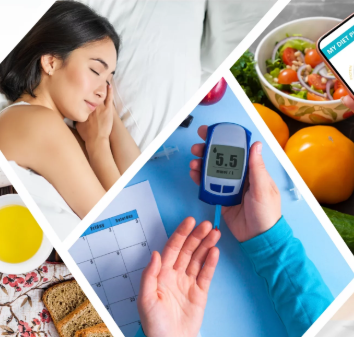


Understanding Blood Pressure
Blood pressure is a vital sign indicating the force exerted by circulating blood against the walls of blood vessels. It is expressed in millimeters of mercury (mm Hg) and is presented as two values: systolic pressure over diastolic pressure. Systolic pressure, the first number, reflects the pressure in the arteries when the heart beats and pumps blood. Diastolic pressure, the second number, measures the pressure in the arteries when the heart is at rest between beats. Normal blood pressure is generally defined as a reading below 120/80 mm Hg.
Maintaining blood pressure within this normal range is crucial for overall health. Elevated blood pressure, or hypertension, can lead to severe health complications such as heart disease, stroke, and kidney damage. Hypertension is often referred to as a silent killer because it typically does not present noticeable symptoms, making regular monitoring essential. Conversely, hypotension, or low blood pressure, can lead to symptoms like dizziness, fainting, and in extreme cases, can also pose serious health risks.
Blood pressure is commonly measured using a sphygmomanometer, which involves wrapping an inflatable cuff around the arm. When the cuff inflates, it temporarily restricts blood flow, while a gauge measures the pressure during both the inflation and deflation phases. This simple procedure allows healthcare providers to effectively ascertain an individual’s blood pressure status. To promote cardiovascular health, it is essential to adopt lifestyle strategies that help in maintaining healthy blood pressure levels.
The Importance of Blood Pressure Regulation
Maintaining optimal blood pressure is crucial for overall health and well-being. Uncontrolled blood pressure, also known as hypertension, can lead to a series of serious health complications that can severely impact an individual’s quality of life. One of the most significant risks associated with high blood pressure is the development of cardiovascular diseases, such as heart disease. The constant strain of elevated pressure on the heart can cause it to weaken over time, leading to conditions such as heart failure.
Additionally, hypertension is a prominent risk factor for stroke. High blood pressure can lead to the narrowing and weakening of blood vessels in the brain, which may result in a blockage or rupture, ultimately causing a stroke. The implications of such events are profound, as they can lead to long-term disability or even death.
Moreover, uncontrolled blood pressure poses a significant threat to kidney health. The kidneys play a vital role in filtering waste products from the blood, and elevated pressure can damage the delicate blood vessels within these organs, leading to kidney failure. This condition may require dialysis or kidney transplantation, which can be both physically and emotionally taxing for individuals and their families.
Beyond these critical health concerns, unmanaged hypertension can contribute to other serious conditions, including vision loss and cognitive impairment, underscoring the multifaceted impact of high blood pressure on overall health.
Early detection and regular monitoring of blood pressure levels are imperative for mitigating these risks. By identifying elevated blood pressure early, individuals can take preventive measures, such as lifestyle changes, to regulate their blood pressure effectively. Regular check-ups with healthcare professionals allow for timely interventions and adjustments to treatment plans, significantly reducing the long-term consequences associated with uncontrolled blood pressure.
Lifestyle Factors Affecting Blood Pressure
Blood pressure regulation is significantly influenced by various lifestyle factors, which underscores the importance of a holistic approach to health. One of the primary contributors to hypertensive conditions is diet. A high intake of sodium is particularly harmful; studies indicate that reducing salt consumption can lead to a decrease in blood pressure by approximately 5 to 10 mmHg in individuals with hypertension. Conversely, diets rich in fruits, vegetables, and low-fat dairy products, such as the DASH (Dietary Approaches to Stop Hypertension) diet, have been shown to lower blood pressure effectively.
Exercise is another crucial factor in blood pressure management. Regular physical activity strengthens the heart, allowing it to pump blood more efficiently and lowering the force exerted on the arteries. The American Heart Association recommends at least 150 minutes of moderate aerobic exercise each week to help in maintaining healthy blood pressure levels.
Weight plays a pivotal role as well; excess body weight increases the likelihood of high blood pressure. Research indicates that weight loss of even 5 to 10% can lead to significant reductions in blood pressure. Furthermore, stress management cannot be underestimated, as chronic stress is associated with hypertension. Techniques such as mindfulness, meditation, and relaxation exercises have been effective in alleviating stress and subsequently managing blood pressure.
Sleep quality also has a profound impact on blood pressure. Poor sleep or disorders such as sleep apnea can disrupt normal blood pressure regulation. Acknowledging this, ensuring adequate sleep, and seeking treatment for sleep-related issues are vital for sustaining healthy blood pressure levels. Lastly, alcohol consumption should be moderated, as excessive intake can raise blood pressure. The Centers for Disease Control and Prevention suggest limiting alcohol to moderate levels to help maintain optimal blood pressure.
Nutritional Interventions to Lower Blood Pressure
Maintaining an optimal blood pressure is crucial for cardiovascular health, and nutritional interventions play a pivotal role in achieving this goal. One of the most studied dietary patterns for lowering blood pressure is the DASH (Dietary Approaches to Stop Hypertension) diet. This diet emphasizes the consumption of fruits, vegetables, whole grains, and lean proteins while significantly reducing sodium intake. The DASH diet encourages eating foods rich in potassium, magnesium, and calcium, all of which can help mitigate hypertension.
Research indicates that reducing sodium intake to less than 2,300 mg per day, or ideally 1,500 mg for those with high blood pressure, can lead to substantial improvements in blood pressure levels. Foods high in sodium, such as processed and canned items, should be minimized. Instead, individuals are encouraged to incorporate whole foods into their diets. Examples of beneficial foods include leafy greens, berries, bananas, beets, and fish, which provide essential nutrients while being low in sodium.
High-potassium foods such as sweet potatoes, legumes, and oranges can help offset the effects of sodium and promote healthier blood pressure. Additionally, incorporating healthy fats, primarily from sources like avocados, nuts, and olive oil, is advantageous. On the other hand, one should avoid excessive consumption of red meats, sugary beverages, and high-fat dairy products, as these have been linked to elevated blood pressure levels.
Furthermore, adhering to a balanced nutrition plan rich in whole foods provides not only essential vitamins and minerals but also antioxidants that can enhance overall health. By embracing these dietary practices, individuals may experience a significant reduction in blood pressure, improving their overall cardiovascular health and well-being.
Physical Activity and Blood Pressure Control
Regular physical activity plays a crucial role in managing blood pressure levels. Engaging in consistent exercise has been shown to lower both systolic and diastolic blood pressure, thereby contributing to overall cardiovascular health. According to guidelines from the American Heart Association, adults should aim for at least 150 minutes of moderate-intensity aerobic activity or 75 minutes of vigorous-intensity activity each week, spread out over several days.
Moderate-intensity exercises may include brisk walking, cycling, or swimming, while vigorous-intensity options could involve running, high-intensity cycling, or aerobic dancing. Resistance training, performed at least twice a week, is also recommended as it can improve overall muscle strength and assistance in controlling blood pressure levels.
Incorporating physical activity into daily living can be beneficial for those seeking to manage their blood pressure effectively. Simple adjustments can promote increased movement; for instance, opting for stairs instead of elevators, or parking farther away from a destination. Engaging in activities such as gardening, walking the dog, or even playing with children can add meaningful physical activity to one’s routine.
Additionally, consider setting specific goals to stay motivated. For example, using a step counter can encourage aiming for a daily target, such as 10,000 steps. Joining group classes or finding a workout buddy may also enhance accountability and enjoyment in maintaining an active lifestyle. Adopting these practical tips into everyday life not only supports blood pressure control but also fosters a healthier overall lifestyle.
Stress Management Techniques
Managing stress is essential for maintaining optimal blood pressure levels, as chronic stress can lead to hypertension and other cardiovascular issues. Several effective strategies can be employed to mitigate stress and, by extension, support blood pressure regulation.
One prominent technique is mindfulness, which involves focusing on the present moment while acknowledging and accepting one’s thoughts without judgment. Mindfulness practices, such as meditation and deep-breathing exercises, can significantly reduce stress levels. Engaging in these practices regularly allows individuals to cultivate a sense of calm and improve their emotional resilience.
Another effective approach is the incorporation of relaxation techniques into daily routines. Techniques such as progressive muscle relaxation or guided imagery promote physical and mental relaxation. These methods help decrease muscle tension and anxiety, contributing to lower blood pressure. Spending even a few minutes a day on these relaxation exercises can yield considerable benefits.
Yoga is yet another beneficial practice that merges physical movement with breath control and meditation. It has been studied for its positive effects on stress reduction and overall well-being. Regular participation in yoga sessions not only alleviates stress but also enhances flexibility and promotes cardiovascular health, further contributing to better blood pressure management.
Lastly, the importance of social support cannot be overstated. Engaging with friends and family provides emotional comfort and can buffer the effects of stress. Building strong social networks encourages open communication, allowing individuals to discuss their challenges and receive validation and support. Such connections play a crucial role in reducing feelings of isolation and enhancing coping mechanisms.
The Role of Sleep in Blood Pressure Management
The relationship between sleep quality and blood pressure regulation is an area of increasing interest within health research. Numerous studies have substantiated the fact that both the duration and quality of sleep have a direct effect on an individual’s blood pressure levels. Insufficient sleep or poor-quality sleep has been linked with an increased risk of hypertension, which can have serious repercussions on overall health.
When an individual does not obtain adequate sleep, several physiological processes are disrupted, leading to increased stress hormones such as cortisol. This can result in higher heart rates and vasoconstriction, ultimately contributing to elevated blood pressure. Furthermore, research has indicated that sleep disorders, such as obstructive sleep apnea, can exacerbate these effects, significantly raising the likelihood of developing hypertension.
To improve sleep hygiene and, by extension, support healthy blood pressure levels, several strategies can be beneficial. First, maintaining a regular sleep schedule by going to bed and waking up at the same time every day can help regulate the body’s internal clock, enhancing the overall quality of sleep. Moreover, creating a restful sleep environment—by ensuring a cool, dark, and quiet room—can significantly reduce disturbances during the night.
Additionally, limiting exposure to screens before bedtime is crucial, as the blue light emitted by devices can interfere with the production of melatonin, a hormone essential for sleep. Engaging in relaxation techniques, such as meditation or deep breathing exercises, before bed can also contribute to improved sleep quality. By incorporating these practices, individuals may not only enhance their sleep but also preserve their cardiovascular health, thus maintaining optimal blood pressure levels.
Limitations and Considerations of Lifestyle Interventions
While lifestyle interventions such as dietary modifications, increased physical activity, and stress management play a crucial role in blood pressure regulation, they may not be universally effective for everyone. One major limitation is the influence of genetic predispositions that affect how individuals respond to these changes. For instance, some people may have a genetic makeup that inherently predisposes them to higher blood pressure, making lifestyle alterations alone insufficient in controlling their hypertension.
Additionally, existing medical conditions can further complicate the efficacy of lifestyle modifications. For those with chronic illnesses such as diabetes or kidney disease, the relationship with blood pressure can be more intricate. In such cases, dietary recommendations and physical activity levels may need to be carefully tailored to avoid exacerbating other health issues.
Furthermore, psychological factors such as stress levels, mental health conditions, and social support systems can significantly impact an individual’s ability to adhere to lifestyle changes. For some, managing these psychological aspects is as vital as the physical changes themselves. Without a comprehensive approach that includes psychological well-being, the overall effectiveness of lifestyle interventions might be limited.
Lastly, it is important to recognize that for many individuals, pharmacological treatments may be necessary alongside lifestyle modifications. Blood pressure medications can provide essential support to those whose hypertension cannot be adequately controlled through lifestyle changes alone. Therefore, a combined approach that considers both lifestyle and medication may be the most effective strategy for achieving optimal blood pressure regulation.
Creating a Personalized Blood Pressure Management Plan
Managing blood pressure effectively requires a personalized approach tailored to individual needs and lifestyles. To create an effective blood pressure management plan, start by assessing your current health status and lifestyle habits. Consider engaging in discussions with healthcare professionals to identify your unique circumstances.
Goal-setting is a crucial component of any management plan. Set specific, measurable, attainable, relevant, and time-bound (SMART) goals that resonate with your lifestyle. For instance, if your goal is to reduce sodium intake, determine a daily limit that aligns with dietary guidelines and works for your normal eating patterns. Additionally, consider including physical activity goals, such as walking for at least 30 minutes most days of the week.
Tracking progress is essential for effective blood pressure management. Utilize a blood pressure monitor to record readings at home; documenting these measurements can help you identify patterns and understand triggers. You may also consider using mobile apps or journals designed for health tracking, which can simplify logging dietary choices, exercise routines, and stress levels. Regularly reviewing this data will not only motivate you but also provide valuable information for discussions with healthcare providers.
Furthermore, consider accessing professional resources such as dietitians, physiotherapists, or health coaches who specialize in blood pressure management. They can offer tailored advice, support, and tools to help you stay committed to your goals. Participating in support groups or educational workshops can also boost your adherence to lifestyle changes while providing encouragement from others on similar paths.
Ultimately, creating a personalized blood pressure management plan is about finding what works best for you. By setting clear goals, tracking your progress, and leaning on professional resources, you can successfully lower your blood pressure and enhance your overall well-being.