
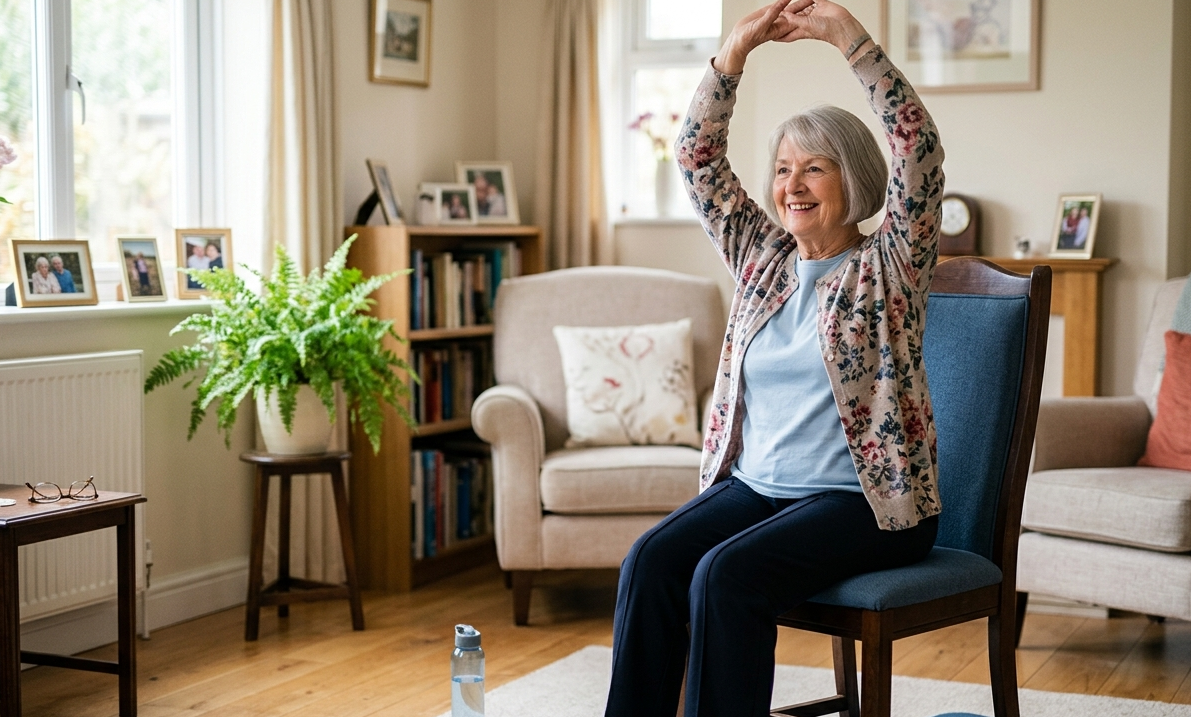


Introduction to Chair Exercises
Chair exercises are specifically designed physical activities that can be performed while seated in a chair, making them particularly beneficial for elderly individuals who may have limited mobility or strength. These exercises focus on enhancing flexibility, strengthening muscles, and improving cardiovascular health, all while maintaining a safe environment. Given that many seniors may face challenges associated with aging, such as decreased balance and muscle mass, incorporating chair exercises into their daily routine can help counteract these effects.
One of the primary advantages of chair exercises is their accessibility. Unlike traditional workouts that may require vast amounts of space or sophisticated equipment, chair exercises require only a sturdy chair and a willingness to engage in physical activity. This aspect is crucial, especially for those who may feel intimidated by more strenuous exercise forms. Additionally, chair exercises can be customized to fit the abilities and limitations of each individual, promoting a sense of accomplishment and encouraging ongoing participation.
Participating in chair exercises can lead to significant improvements in mobility and overall well-being. As elderly individuals engage in these movements, they often experience enhanced joint range of motion and core strength, which contribute to greater stability and balance. Such improvements are essential for reducing the risk of falls—a common concern among older adults. Beyond the physical benefits, chair exercises also offer psychological advantages, such as decreased anxiety and a boost in mood, further enriching one’s quality of life.
In summary, chair exercises provide a practical and effective solution for the elderly looking to maintain or improve their physical health while ensuring safety and comfort. By focusing on simple movements that can be performed from a seated position, older adults have the opportunity to engage in a rewarding fitness routine that fosters health and independence.
Benefits of Chair Exercises for Seniors
Chair exercises offer a range of benefits that are particularly valuable for elderly individuals. One of the primary advantages is increased flexibility. Many seniors experience stiffness in their joints and muscles, which can limit their mobility. Regular engagement in chair exercises helps to gently stretch and strengthen these areas, enhancing overall flexibility and making daily activities more manageable.
Additionally, chair exercises significantly improve balance. As people age, their sense of balance may decline, increasing the risk of falls, which can lead to serious injuries. Incorporating balance-focused chair exercises into a regular fitness routine can help to strengthen the core muscles and stabilize the body, which is vital for maintaining independence and safety.
Another important benefit of chair exercises is enhanced strength. Utilizing resistance and body weight during these exercises can aid seniors in building muscle mass, which is often lost with aging. Improved strength is essential not only for physical performance in daily tasks but also for increasing confidence in movements, thus reducing the likelihood of falls.
Moreover, chair exercises contribute positively to cardiovascular health. Engaging in low-impact activities, such as seated marches or arm movements, stimulates circulation and promotes heart health without straining the body. This is particularly critical for seniors who may have preexisting conditions that restrict more vigorous forms of exercise.
Regular participation in chair exercises can also promote mental wellness. Physical activity releases endorphins, which can alleviate symptoms of depression and anxiety, creating a more positive outlook on life. Additionally, the social aspect of joining classes or groups for chair exercises fosters connections among peers, enhancing emotional health.
In essence, chair exercises are a comprehensive solution to various challenges faced by seniors, offering not only physical benefits but also significant improvements to mental well-being and quality of life.
Safety Tips for Chair Exercises
Chair exercises offer numerous benefits for elderly individuals, but it is essential to prioritize safety to prevent any injuries while performing these physical activities at home. Proper preparation and attention to detail are critical for successfully completing chair exercises.
First and foremost, selecting an appropriate chair is vital. It is advisable to choose a sturdy chair with a stable base that will not wobble or slide during use. Ideally, the chair should have armrests and a backrest, providing support and stability, which can help users maintain proper posture and balance. Avoid chairs that are too low or soft, as they can increase the risk of falling or losing balance.
Maintaining a stable position throughout each exercise is crucial. Before beginning any movements, ensure that the chair is placed on a flat, even surface. If possible, use a non-slip mat underneath the chair to further minimize the risk of slipping. When performing chair exercises, remain seated toward the middle of the chair, ensuring that your feet are flat on the ground. This posture will help you maintain balance while engaging in movements.
Listening to one’s body is another key aspect of safety during chair exercises. Elderly individuals should be encouraged to start with simple movements and gradually progress to more complex exercises as strength and confidence build. If there is any discomfort or pain, it is important to stop the activity immediately. Consulting with a physician or physical therapist before beginning an exercise regimen is also advisable, as they can provide tailored guidance based on individual health conditions.
By following these safety tips, elderly individuals can enjoy the myriad benefits of chair exercises while minimizing the risk of injuries. Prioritizing safety enables a more enjoyable and effective exercise experience.
Basic Chair Exercises to Get Started
Chair exercises provide an excellent way for elderly individuals to stay active while accommodating their mobility limitations. Here, we’ll explore several basic chair exercises that can be easily performed at home, ensuring safety and effectiveness.
1. Seated Marching: Sit up straight in a chair, feet flat on the ground. Begin marching in place by lifting one knee up and then the other. This exercise helps improve circulation and strengthen the hip flexors. For those with limited mobility, participants can keep their feet on the ground and simply lift their heels alternately.
2. Leg Extensions: While seated, extend one leg out in front of you, keeping it straight. Hold this position for a few seconds before lowering it back down. Alternate legs after 10 repetitions. This exercise aids in strengthening the quadriceps and enhancing knee stability. If necessary, an ankle weight can be added gradually to increase resistance.
3. Arm Raises: While sitting, lift both arms to the side until they are shoulder height, keeping elbows slightly bent. Lower them back to the sides in a controlled motion. Perform 10 repetitions. Individuals with limited shoulder mobility can simply lift one arm at a time or perform the exercise without lifting weights. This exercise focuses on shoulder flexibility and strength.
4. Seated Torso Twist: Sit upright and place your hands on your shoulders. Gently twist your torso to the right and hold for a few seconds before returning to the center and twisting to the left. This promotes spinal flexibility and strengthens the core. For those with discomfort, they can modify the twist by limiting the range of motion.
Each of these basic chair exercises can be done safely at home, encouraging elderly individuals to maintain their physical health. It is advisable to perform these exercises two to three times a week, making modifications as needed to suit personal comfort levels.
Chair Yoga for Seniors
Chair yoga has emerged as a beneficial exercise regimen for elderly individuals, particularly those with limited mobility or balance concerns. This adapted form of yoga allows seniors to experience the holistic benefits of traditional yoga while remaining seated. It is a gentle approach that encompasses various techniques aimed at enhancing physical health, mental well-being, and overall quality of life.
One of the primary advantages of chair yoga is its ability to improve flexibility. Seniors often face challenges in maintaining mobility due to age-related changes or health conditions. Regular practice of chair yoga can assist in gradually increasing their range of motion and improving muscle strength. Simple poses, such as seated forward bends, gentle twists, and shoulder rolls, can help relieve tension and promote relaxation.
In addition to enhancing flexibility, chair yoga can serve as an effective way to reduce stress and anxiety levels. Engaging in mindful breathing exercises integrated into the chair yoga routine encourages relaxation and can elevate mood. The meditative aspect of yoga fosters a sense of calm, enabling seniors to better handle daily stressors.
Incorporating chair yoga into a senior’s daily routine is quite simple. It requires minimal equipment – just a sturdy chair and comfortable clothing. Classes are often available at local community centers or senior centers, and many resources, including online videos and guided sessions, can be utilized to practice at home. Importantly, seniors should consult healthcare professionals before beginning any new exercise regime to ensure its suitability for their individual health conditions.
Ultimately, chair yoga represents an accessible yet effective form of exercise that not only enhances physical flexibility but also contributes to emotional well-being for the elderly. By integrating these gentle movements into their daily lives, seniors can experience improved health outcomes and greater relaxation.
Creating a Chair Exercise Routine
Designing an individualized chair exercise routine for elderly individuals is crucial for enhancing physical health and overall well-being. The first step in creating this routine is to assess the individual’s fitness levels and any potential health limitations. Consulting with a healthcare provider is advisable to ensure safety and efficacy, especially if there are pre-existing conditions like arthritis or heart disease.
After assessing fitness levels, it is essential to set specific, achievable health goals. These goals might include improving flexibility, increasing strength, or enhancing balance. Once clear objectives are established, scheduling workouts becomes the next step. Ideally, a routine should include exercise sessions at least three times a week, allowing ample time for muscle recovery between sessions. Each workout should ideally last between 20 to 30 minutes, incorporating a warm-up, exercise, and cool-down phase.
Variety is key to maintaining motivation and addressing different aspects of fitness. A well-structured chair exercise routine can mix various types of exercises. For instance, simple arm and leg movements can boost strength, while seated marches and gentle stretches can enhance flexibility. It is also crucial to incorporate aerobic elements; performing rhythmic movements can elevate heart rate and improve cardiovascular health while remaining seated.
Rest periods should not be overlooked. Fatigue can set in, particularly for older adults. Incorporating short breaks allows the body to recover, preventing injury and promoting a positive exercise experience. While exercising, it is vital to listen to the body’s signals and adjust the intensity and duration of workouts as necessary, ensuring that the routine remains safe and enjoyable. Through careful planning and personalization, a chair exercise routine can significantly contribute to one’s fitness goals and improve overall quality of life.
Resources for Chair Exercises
For elderly individuals looking to incorporate chair exercises into their daily routine, numerous resources are readily available, both online and within local communities. The internet serves as a valuable tool for accessing information on safe and effective chair workouts. Many dedicated websites focus on senior fitness, including targeted chair exercises, which provide guidelines and instructional materials tailored specifically for older adults.
One such resource is the National Institute on Aging’s website, which offers a variety of exercise videos and tutorials that are easily accessible. These materials often include demonstration videos that guide users through each movement, ensuring correct form and technique, which is crucial for avoiding injury.
Additionally, platforms like YouTube host numerous channels focused on senior fitness. Many trainers specialize in chair exercises, providing step-by-step video tutorials designed to enhance mobility and strength in a seated position. These visual aids can be particularly beneficial for seniors who may find written instructions challenging to follow.
In-person resources, such as senior community centers and local gyms, often offer chair exercise classes specifically aimed at older adults. These classes, typically led by qualified fitness instructors, not only provide structured guidance but also promote social interaction, which can enhance motivation and enjoyment while exercising.
Lastly, it is important for seniors to consult healthcare professionals prior to starting any new exercise routine, especially if they have pre-existing health concerns. Professional guidance ensures that individuals select appropriate chair exercises that align with their physical capabilities and health status. Seeking out these resources can empower elderly individuals to engage in safe, effective chair exercises, promoting overall health and well-being at home.
Success Stories and Testimonials
Chair exercises have emerged as a beneficial solution for elderly individuals seeking to maintain or improve their mobility, strength, and overall well-being. Numerous success stories highlight the transformative effects these exercises can have in the lives of older adults. One such story is that of Margaret, a 78-year-old woman who had been struggling with reduced mobility following a knee surgery. After dedicating time to a chair exercise routine, Margaret found that she could stand up more easily and had less discomfort when engaging in daily activities. Her experience is a testament to the effectiveness of simple yet targeted exercises.
Another inspiring example comes from George, a retired teacher in his early 70s. Having been diagnosed with arthritis, George thought that physical activity was beyond his reach. However, upon discovering chair exercises, he decided to give it a try. He began with gentle movements, focusing on his range of motion. Within a few months, George reported not only a decrease in pain but also a newfound energy, allowing him to enjoy time with his grandchildren. His success illustrates how chair exercises can empower elderly individuals to reclaim their independence.
The stories of Margaret and George are not isolated; many elderly people are embracing chair exercises and experiencing remarkable changes in their lives. These individuals often testify to feeling more confident, social, and engaged after incorporating these simple yet effective movements into their routines. Age should not be a barrier to physical health and well-being. Chair exercises facilitate an inclusive approach, encouraging all elderly individuals to participate in physical activity, irrespective of their initial fitness level.
Conclusion and Encouragement
In light of the myriad benefits associated with chair exercises for elderly individuals, it is essential to recognize their pivotal role in enhancing overall health and independence. These exercises are designed to accommodate various levels of mobility and physical fitness, making them accessible for seniors at home. Engaging in a consistent routine of chair exercises not only promotes physical wellness but also contributes positively to mental and emotional well-being. By improving strength, flexibility, and balance, seniors can experience increased confidence in their daily activities.
Adopting a regular exercise regimen can be initially daunting, especially for those who may have experienced physical limitations due to age or health conditions. However, chair exercises present a gentle starting point, enabling older adults to gradually build their strength and stamina in a secure environment. It is advisable for seniors to consult with healthcare professionals or physical therapists before commencing any new exercise routine, ensuring that the activities chosen are safe and beneficial for their specific health conditions.
Moreover, the implementation of chair exercises can foster social engagement, as seniors may participate in group sessions or invite family members to join them. This collaborative approach not only enhances motivation but also creates opportunities for meaningful interactions, which are vital for emotional support.
In conclusion, chair exercises represent a valuable resource for elderly individuals aiming to maintain their health and enhance their quality of life. By making a commitment to these exercises, seniors can take empowered steps towards greater independence and well-being, ensuring that they continue to lead fulfilling lives in their golden years.