
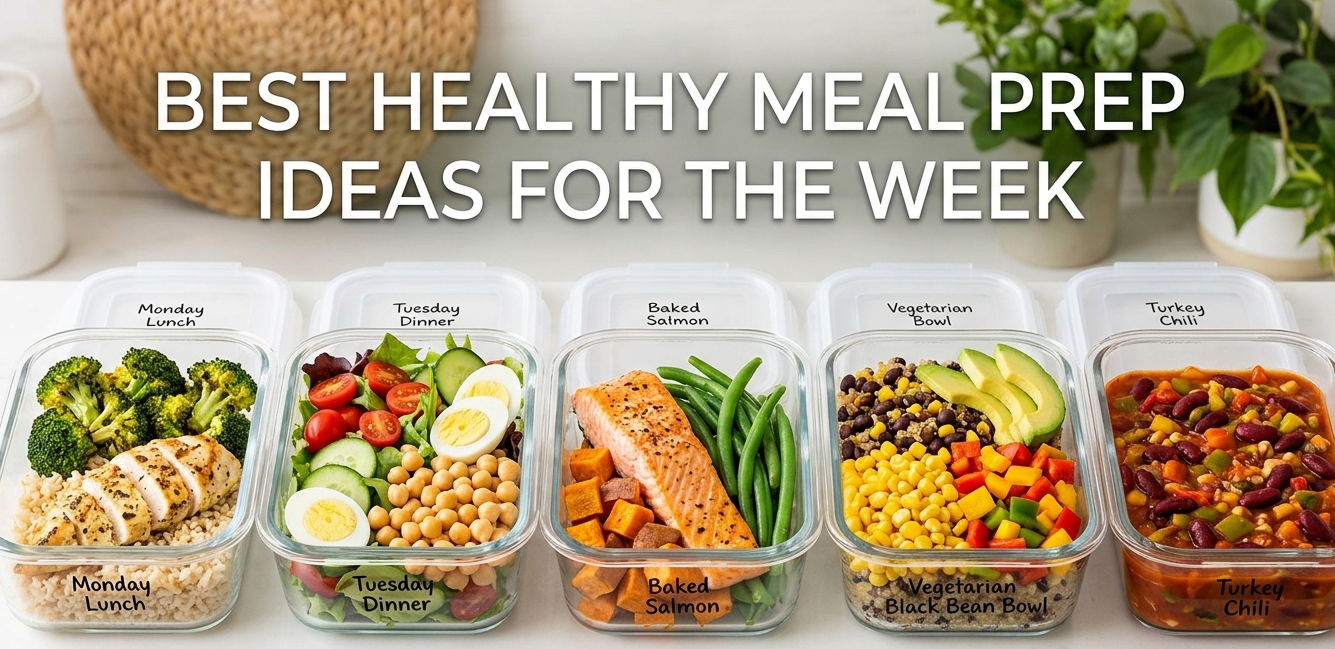


Introduction to Meal Prep
Meal prep, a practice that involves preparing meals in advance, has gained significant popularity among busy individuals and families seeking efficient ways to manage their dietary needs. At its core, meal prep is a strategic approach to food preparation that offers numerous advantages, including time savings, healthier eating habits, and minimized food waste. By dedicating a specific time each week to prepare and package meals, individuals can streamline their cooking processes, ensuring they have nutritious options readily available.
One of the primary benefits of meal prepping is the considerable amount of time it saves during the hectic weekdays. Instead of spending hours each day cooking, individuals can simply reheat their pre-prepared meals, which not only conserves time but also reduces the temptation to opt for less healthy, convenience foods. Additionally, meal prep encourages users to develop healthier eating habits. With meals thoughtfully planned out, one can focus on balanced nutrition and portion control, significantly enhancing their overall dietary quality.
Moreover, meal prepping can play a vital role in reducing food waste. By planning meals in advance, individuals are more likely to use perishable ingredients before they spoil. This intentional approach to cooking not only benefits personal health but also contributes to broader environmental efforts by minimizing the amount of food discarded.
The trend of meal prepping is rapidly growing, especially among those balancing busy schedules, such as working professionals, students, and families. The convenience and efficiency offered by meal preparation align perfectly with the modern lifestyle, allowing for both health-conscious choices and time management. As more people recognize the benefits, meal prep continues to be an integral strategy for achieving a balanced diet and ensuring manageable meal planning.
Essential Tools and Containers for Meal Prep
Meal prepping is an effective strategy for maintaining a healthy diet, and having the right tools and containers can make the process significantly easier. The following itemized list details essential kitchen tools and storage options that can streamline your meal preparation efforts.
1. Meal Prep Containers: Invest in a set of high-quality meal prep containers that are both BPA-free and microwave-safe. These containers not only keep your meals fresh but also help in portion control. Look for options that are multi-compartmented, allowing you to store a main dish alongside side items such as vegetables or grains.
2. Kitchen Scale: A kitchen scale is an invaluable tool for anyone serious about meal prepping. It ensures precision in portion sizes, which is especially important for maintaining dietary goals. By weighing ingredients, you can better track calorie intake and macronutrient distribution.
3. Cutting Boards and Knives: A durable, non-slip cutting board and a set of sharp knives are essential for efficient meal prep. Investing in quality kitchen tools will not only save you time but will also make the preparation process safer and more enjoyable.
4. Storage Bags: Reusable silicone storage bags are an eco-friendly alternative to single-use plastic bags. They are perfect for marinating proteins, storing snacks, or keeping chopped vegetables ready for cooking. Ensure they are marked as BPA-free to maintain safety.
5. Cooking Gadgets: Tools such as slow cookers, instant pots, or food processors can greatly enhance your meal prep capabilities. These gadgets can help simplify cooking methods, allowing you to prepare meals with minimal time and effort.
Incorporating these essential tools and containers into your meal prep routine will not only optimize the process but also promote a healthier lifestyle overall. Choosing BPA-free and microwave-safe products further ensures that your meal choices are not only nutritious but also safe.
Nutritional Guidelines for Meal Prepping
When embarking on your meal prepping journey, it is essential to keep certain nutritional guidelines in mind to ensure that your meals are healthy, balanced, and satisfying. Firstly, understanding portion sizes is crucial. Typically, a balanced meal should contain a combination of macronutrients which are proteins, carbohydrates, and fats, tailored to individual dietary needs and lifestyle. A general guideline suggests that plates may be divided into portions: approximately 50% vegetables, 25% protein, and 25% carbohydrates. This method promotes a diverse intake of nutrients while aiding in portion control.
Proteins play a pivotal role in meal prepping, as they are vital for muscle growth, repair, and overall health. Lean options such as chicken, fish, tofu, and legumes provide beneficial nutrients without excessive saturated fat. Additionally, incorporating healthy fats into your meals is important; sources such as olive oil, avocados, and nuts can enhance flavor and satiety while supporting heart health.
Carbohydrates should not be overlooked, as they serve as the body’s primary energy source. Opt for whole grains such as brown rice, quinoa, and whole-wheat pasta, which are rich in fiber and help maintain digestive health. The inclusion of various food groups is paramount to meal prepping, ensuring a wide array of vitamins and minerals in your diet. Aim to include colorful fruits and vegetables which deliver antioxidants and essential phytochemicals, contributing to overall wellness.
In essence, when planning your meals, strive for balance and diversity. By combining different food groups while adhering to proper portion sizes, you can create nutrient-dense meals that keep you energized and satisfied throughout the week.
Easy Breakfast Meal Prep Ideas
Preparing healthy breakfasts in advance can significantly streamline your morning routine, allowing for better nutrition while saving time. Below are a few easy breakfast meal prep ideas that can make your mornings healthier and hassle-free.
Overnight Oats are one of the simplest meal prep options. To create them, combine rolled oats with your choice of milk or yogurt, along with toppings such as fruits, nuts, or seeds. A basic recipe includes half a cup of oats, one cup of almond milk, and a tablespoon of chia seeds for added texture and health benefits. Mix these ingredients in a jar and refrigerate overnight. In the morning, you have a nutritious breakfast ready to grab and go.
Smoothie Packs are another great way to prepare breakfast ahead of time. Pre-portion your favorite fruits, vegetables, and add-ins like protein powder or Greek yogurt into freezer bags. When ready to enjoy, simply blend the contents with your choice of liquid. Having these packs ready can encourage you to start your day with a healthy, refreshing smoothie without spending much time on preparation.
Egg Muffins provide a protein-rich option that can be customized to taste. Whisk together eggs and add in ingredients like spinach, bell peppers, cheese, or cooked bacon. Pour the mixture into a muffin tin and bake until set. These egg muffins can be stored in the refrigerator for up to five days, making them a convenient breakfast option. Simply reheat them in the microwave for a fulfilling meal.
In addition to these ideas, consider storing breakfast items in airtight containers to maintain freshness and enhance organization. Preparing your breakfast in advance can make a significant difference in achieving a healthy lifestyle while managing a busy schedule.
Lunch Meal Prep Ideas for Busy Days
For individuals leading busy lives, maintaining a balanced diet can often feel overwhelming. However, meal prepping can simplify this process, particularly with nutritious lunch options. One effective approach is to create grain bowls, which are versatile and can be customized to suit personal preferences. Start with a base of whole grains such as quinoa, brown rice, or farro. Add a variety of vegetables, both cooked and raw, to enhance the flavor and nutritional profile. Protein sources like grilled chicken, roasted chickpeas, or tofu can further elevate these bowls. Consider topping it off with a light dressing or sauce to add moisture and flavor.
Another popular choice for meal prep is the salad in a jar. This idea allows for easy assembly and storage while ensuring freshness throughout the week. Begin by adding dressings at the bottom of the jar, followed by sturdy vegetables like carrots and bell peppers to prevent sogginess. Next, incorporate grains, proteins, and softer ingredients such as leafy greens or nuts at the top. When it’s time to eat, simply shake the jar to mix the contents and enjoy a crisp salad.
Wraps can also serve as an ideal lunch option for those on the go. Utilize whole grain tortillas and fill them with layers of lean proteins, a variety of vegetables, and spreads like hummus or avocado for added taste. These wraps can be made in advance and stored securely, maintaining their quality for several days. To keep all ingredients fresh throughout the week, it is important to use proper storage techniques. Opt for airtight containers, and separate wet and dry ingredients to prevent premature spoilage. With these nutritious and easy-to-prepare options, maintaining a healthy diet while managing a busy schedule becomes more achievable.
Healthy Dinner Meal Prep Solutions
Preparing healthy meals in advance is an efficient way to ensure you enjoy nutritious dishes throughout the week. This section will highlight dinner meal prep solutions that cater to a variety of dietary preferences, focusing on flavorsome casseroles, vibrant stir-fries, and convenient slow cooker meals.
One excellent meal prep option is a wholesome casserole. Take, for instance, a vegetable and quinoa casserole. Begin by cooking quinoa and mixing it with sautéed vegetables such as spinach, bell peppers, and zucchini. Add a layer of low-fat cheese on top before baking. This dish can be portioned into airtight containers and refrigerated for up to five days. The flavors meld beautifully after a day or two, ensuring a delightful dinner.
Stir-fries are another fantastic choice for healthy dinner meal prep. Utilizing a mix of proteins and seasonal vegetables can create a variety of tastes. For a simple recipe, stir-fry chicken or tofu with broccoli, carrots, and snap peas in a light soy sauce or teriyaki glaze. Portion the stir-fry with a side of brown rice or cauliflower rice in meal prep containers. This allows for diverse flavors in your weekly menu while ensuring easy reheating.
Slow cooker meals also deserve a mention when discussing healthy dinner options. A nutritious chili can be prepared using lean ground turkey, canned beans, diced tomatoes, and spices. Simply combine the ingredients in your slow cooker and allow it to simmer for several hours. Once cooled, store in portioned containers, and enjoy the convenience of a hearty meal at your fingertips throughout the week.
When it comes to storage, always choose airtight containers to maintain the quality and freshness of your prepared meals. Label each container with the preparation date to keep track of their usability. Organizing your meals effectively can greatly enhance your adherence to your dietary goals.
Snack Prep: Healthy Options for Between Meals
Healthy snacking between meals plays a vital role in maintaining energy levels and preventing overeating during main meals. When preparing for the week ahead, it is essential to incorporate options that are both nutritious and convenient. Here are a few ideas to help you create a successful snack prep routine.
One popular choice is energy bites, which can be easily made by combining various ingredients such as oats, nut butter, seeds, and dried fruits. These small, nutrient-dense bites are perfect for satisfying mid-afternoon cravings and provide a healthy balance of carbohydrates, protein, and healthy fats. You can customize energy bites with different flavors such as chocolate, vanilla, or coconut to keep things interesting.
Another excellent option is veggie packs with hummus. Preparing a mix of colorful vegetables such as carrots, cucumbers, bell peppers, and cherry tomatoes can add a refreshing crunch to your snacking routine. Pairing these vegetables with a portion of hummus not only enhances their flavor but also provides an adequate source of protein and fiber, making them an ideal healthy snack. Portion control is essential here; using small containers or snack bags for each serving can help keep you mindful of your intake.
Lastly, consider creating nut mixes that are both satisfying and nutritious. A variety of nuts such as almonds, walnuts, and pistachios can be combined with seeds and dried fruits to create a well-rounded snack. Focus on portion sizes as nuts are calorie-dense foods; a handful can go a long way in curbing hunger while avoiding excess calorie consumption. Pre-portioning these nut mixes into small containers can improve convenience and ensure you have healthy options readily available.
Storing and Reheating Your Meal Prep
Proper storage and reheating are crucial elements in preserving the flavor, texture, and nutritional value of your healthy meal prep. To begin with, it is essential to cool your meals thoroughly before storing them in the refrigerator or freezer. This prevents the growth of harmful bacteria, which can compromise food safety.
When opting for refrigeration, ensure that your meal prep containers are airtight to minimize exposure to air, which can lead to spoilage. Consider using glass or BPA-free plastic containers that are microwave-safe and stackable for easy storage. Group similar meals together and use clear labeling for easy identification, including the date prepared to keep track of freshness. Meals typically last 3 to 5 days in the fridge when stored properly, so plan your consumption accordingly.
If you wish to extend the shelf life of your meals, freezing is a practical option. Most cooked dishes freeze well, but ingredients like potatoes and pasta may lose texture during thawing. For optimal results, portion out meals in single servings and seal them tightly to prevent freezer burn. Vacuum-sealing is an excellent method for avoiding air exposure, thereby preserving flavor and quality. Ensure to label the packages with the contents and date for easier navigation in your freezer.
When it comes time to reheat your meal prep, do so gradually in the microwave or on the stovetop. Avoid using very high heat as it can lead to uneven warming. If reheating soups or stews, consider adding a small amount of water to maintain moisture. For baked dishes, cover the meal to retain heat and prevent drying out. Aim for an internal temperature of 165°F (74°C) to ensure food safety. By following these storage and reheating techniques, you can enjoy your healthy meals while ensuring their quality and safety remain intact.
Conclusion: Making Meal Prep a Sustainable Habit
Meal prepping can be an effective strategy for maintaining a healthy diet amidst the complexities of daily life. To make meal prep a sustainable habit, start by establishing a routine that aligns with your personal schedule and preferences. Choosing a specific day each week to focus on meal preparation can streamline the process, ensuring that it becomes a fixture in your routine.
It is essential to customize your meal prep according to your taste preferences and nutritional needs. By selecting recipes that excite you, the act of preparing meals can transform from a chore into an enjoyable pastime. Experiment with different cuisines, incorporate seasonal ingredients, and allow for flexibility within your meal plan, which can help maintain your motivation over time.
Additionally, consider your storage solutions to keep meals fresh and organized. Invest in quality containers that can easily transition from refrigerator to microwave, as this will save time throughout the week. Make sure to label each container with the date and contents to avoid confusion and ensure you consume the meals while they are still fresh.
Remember to evaluate your meal prep methods regularly. Assess what works best for you and be open to adjusting your approach as necessary. This could involve altering portion sizes, trying new recipes, or incorporating various cooking techniques. By allowing for adaptability, you ensure that meal prepping remains a relevant and enjoyable aspect of your weekly routine.
Ultimately, the goal of meal prep is to create a healthier lifestyle while reducing stress around food choices. By integrating these practices progressively, you can make meal prepping a lasting habit that supports your health and wellness journey.