
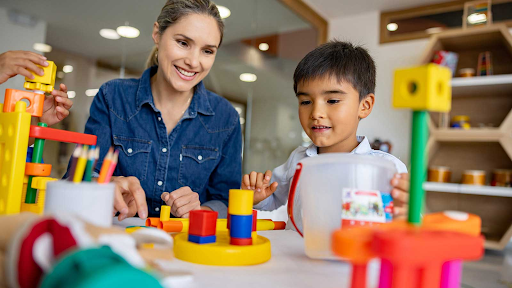


Occupational therapy plays a crucial role in supporting children’s development and helping them achieve their full potential. It encompasses a range of therapeutic practices aimed at enhancing a child’s ability to perform daily activities necessary for their growth and well-being. At the core of these interventions is the focus on fostering independence and improving skills across physical, cognitive, and emotional domains.
One of the primary goals of occupational therapy for kids is to address developmental delays or challenges that may hinder a child’s everyday functioning. Early intervention through occupational therapy can lead to significant improvements in motor skills, coordination, sensory processing, and social interactions, laying a strong foundation for future learning and participation.
Understanding Occupational Therapy for Children
Occupational therapy is a client-centred health profession that utilises meaningful activities to promote health and participation. For children, this means engaging them in play, school-related tasks, and self-care activities to develop their skills in a practical and enjoyable way. Occupational therapists assess each child’s unique needs and design customised therapy plans that target specific goals.
The therapy recognises that every child develops at their own pace, and interventions are tailored accordingly. This personalised approach ensures that challenges such as difficulties with fine motor skills, sensory integration, or emotional regulation can be addressed effectively. Through structured activities and exercises, children gain confidence and abilities that enhance their daily lives.
Key Areas Addressed by Occupational Therapy
Occupational therapists focus on several critical areas of a child’s development:
Motor Skills Development
Gross and fine motor skills are essential for tasks such as writing, dressing, and playing sports. Occupational therapy helps children improve muscle strength, coordination, and hand-eye coordination, enabling more precise and controlled movements.
Sensory Processing
Children with sensory processing difficulties may be over- or under-sensitive to stimuli such as noise, touch, or movement. Occupational therapy provides sensory integration techniques that help children manage and respond to sensory input more effectively, improving their comfort and participation in everyday activities.
Self-Care and Daily Living Skills
Occupational therapy empowers children to develop independence in self-care routines, including dressing, eating, and personal hygiene. Therapists train children in adaptive strategies and techniques to overcome challenges and perform these tasks confidently.
Social and Emotional Skills
Through play and interaction, occupational therapy enhances social skills such as communication, teamwork, and emotional regulation. These competencies are vital for building relationships and succeeding in school environments.
Benefits of Occupational Therapy for Children
Implementing occupational therapy interventions leads to numerous benefits for children, families, and communities. Children gain improved physical abilities and increased independence, which translates into better academic performance and social participation. Parents and caregivers receive support and education to reinforce therapy goals at home, promoting consistent progress.
The benefits extend beyond immediate improvements. Occupational therapy supports long-term development by equipping children with tools to adapt and thrive as they grow. Early and consistent therapy can prevent secondary complications and enhance overall quality of life.
When to Consider Occupational Therapy for Your Child
Families should consider occupational therapy if children experience delays or difficulties in performing age-appropriate activities. Common signs include delayed motor milestones, struggles with handwriting, sensitivity to sensory stimuli, or challenges in self-care tasks.
Professional assessment by an occupational therapist can identify specific needs and recommend appropriate interventions. Early intervention is especially beneficial, as it capitalises on the brain’s plasticity during formative years, enabling more effective skill acquisition and adaptation.
The Role of Health Professionals and Schools
Occupational therapists often work collaboratively with other health professionals, educators, and families to provide holistic support for children. This multidisciplinary approach ensures that therapy aligns with school curricula and home environments, enhancing consistency and effectiveness.
Educational settings can integrate occupational therapy strategies to support learning and participation. By adapting classroom activities and environments, schools play a vital role in reinforcing therapy goals and accommodating diverse learning needs.
Ult Health: A Trusted Partner in Paediatric Occupational Therapy
Ult Health specialises in delivering comprehensive occupational therapy for kids across Australia. Their team of experienced therapists provides customised assessments and interventions designed to meet each child’s unique requirements.
With a focus on evidence-based practice and family-centred care, Ult Health supports children in developing essential skills for success in school and daily life. Their services extend beyond therapy sessions, offering guidance and resources to families that empower them to actively participate in their child’s development.
Conclusion
Occupational therapy is an essential component in empowering children’s growth and facilitating their participation in everyday activities. By addressing physical, cognitive, sensory, and emotional challenges early, occupational therapy paves the way for increased independence and improved quality of life for children.
Through professional support from services like Ult Health, families can access specialised care tailored to their child’s needs, maximising developmental outcomes and fostering a brighter future.