


Your feet absorb several times your body weight with every running stride. Over thousands of steps a week, that load shows up as calluses, blisters, thickened nails and the dreaded black toenail. Most of these problems are minor and easy to manage, but ignoring them can lead to pain, infection and missed training. Here is how to keep your feet in good shape and when it is time to get professional help.
Calluses: friend or foe?
Calluses form where skin experiences repeated pressure and friction, typically under the ball of the foot, on the heel and on the side of the big toe. A thin layer of callus protects the skin. Problems arise when it becomes thick and hard, because the hardened skin can crack, cause pain or create hot spots that lead to blisters underneath.
Keep calluses under control by filing gently after a shower with a foot file or pumice stone, moisturizing daily with a urea-based cream, and wearing well-fitted shoes and moisture-wicking socks. Avoid cutting calluses with blades at home, which can easily cause injury or infection.
Black toenails
A black toenail is usually bleeding under the nail from repeated impact against the front of the shoe, especially on long runs and downhill sections. It often isn’t painful, and the nail may eventually fall off as a new one grows. To prevent it, make sure there is about a thumb’s width of space in front of your longest toe, keep nails trimmed short and straight across, and use a lacing technique that stops your foot sliding forward. See a professional if the nail is very painful, if the discoloration appeared without any injury, or if there are signs of infection.
Thickened nails and corns
Repeated trauma can also make toenails thick and hard to cut, and pressure points on the toes can create painful corns. These are best treated by a podiatrist, who can reduce thick nails and remove corns painlessly with fine instruments, including specialized podiatry burs that smooth nails and skin without cutting healthy tissue.
Blisters
Blisters form when friction separates layers of skin. Small, intact blisters are best left alone and covered with a blister plaster, because the skin underneath protects against infection. Large, painful blisters can be drained with a sterilized needle at the edge, leaving the roof in place, and then covered. Lubricants, toe socks and properly fitted shoes help prevent them in the first place.
Simple daily habits
- Wash and dry feet thoroughly, especially between the toes.
- Change out of sweaty socks and shoes after training.
- Rotate running shoes and replace them every 500 to 800 km.
- Check your feet regularly for blisters, cracks or color changes.
- Treat blisters early with a protective dressing.
When to see a podiatrist
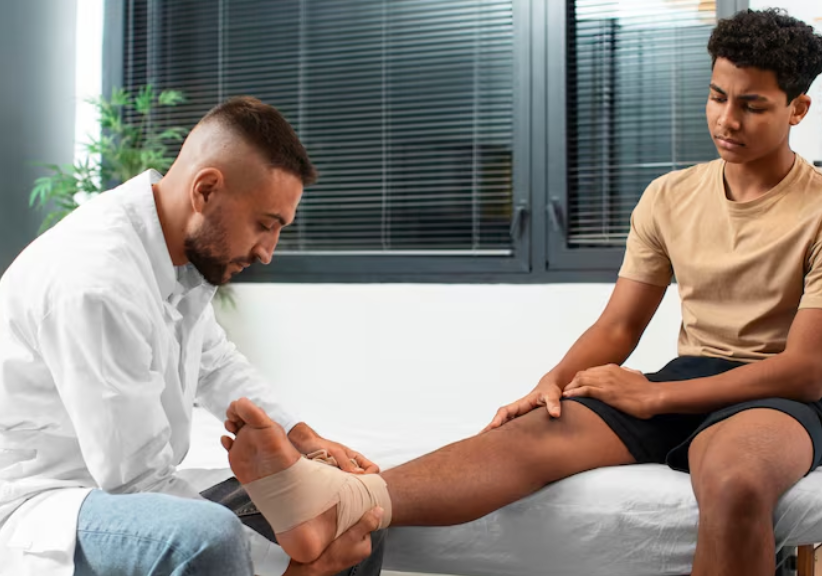
Book an appointment if you have persistent pain, recurring blisters in the same spot, thick or ingrown nails, painful corns, or signs of infection such as redness, warmth or discharge. A podiatrist can also assess your gait and footwear and recommend insoles if needed. Looking after your feet keeps you training comfortably and helps prevent small problems from becoming injuries.