
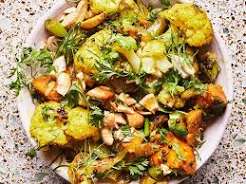


“Have you checked the vegetables yet?” You might have heard this question in countless Indian homes when a festival is approaching. The kitchen starts getting busier, the shopping list grows longer, and every vegetable seems to have a role to play. Spinach may become a rich palak paneer, eggplant can turn smoky in baingan bharta, while peas, potatoes and mixed vegetables find their way into much-loved festive dishes. From one region to another, Indian vegetables seem to take on new flavours, textures and traditions, which we will explore in this guide.
Which Indian Vegetables Bring Traditional Festival Dishes to Life?
Spinach, eggplant, peas, potatoes, green chillies and mixed vegetables are among the Indian veggies that you will find in a wide range of traditional dishes. They can be turned into rich gravies, smoky preparations, lentil-based meals or spicy accompaniments, with each region giving them its own character.
Spinach
Called palak in India, spinach has a place in several homely vegetarian recipes. Palak paneer has to be the best known, with pureed spinach cooked with tomatoes, garlic, garam masala and other spices. The outcome you get is a thick yet flavourfully seasoned gravy that tastes nothing like cooked greens.
-
Palak works particularly well with paneer because the mild cheese balances the earthy taste of the greens. This is generally consumed with rice, naan or roti and has strong roots in Punjabi cooking.
-
Another combination worth mentioning would be palak dal, where spinach is cooked with lentils. It is a good reminder that the same leafy vegetable does not always have to be in a creamy gravy to become part of a satisfying Indian meal.
Eggplant
Eggplant, also called baingan, is certainly one of the most dramatic transformations in Indian cooking. A whole eggplant can be roasted until the skin darkens and the inside becomes soft, then mashed and cooked with tomatoes, onions and spices to make baingan bharta.
-
The roasting is what gives baingan bharta its familiar smoky taste. That charred flavour comes through in a way that boiling or simple frying would not produce.
-
Eggplant also appears in dishes such as baingan masala, where the vegetable is cooked whole or in pieces with a spiced gravy. Its soft texture means it absorbs the seasoning beautifully, making it a natural fit for breads such as roti or paratha.
Peas
Green peas are called matar in India and often bring a little sweetness to dishes that contain plenty of spice. Mattar paneer could be a classic example, which brings peas and paneer together in a thick tomato-based gravy seasoned with garam masala.
-
Punjab is closely associated with mattar paneer, although the dish is eaten far beyond the region. Rice, naan, kulcha, roti and paratha work well with it, depending on what is being served at the meal.
-
Peas are also a great addition to mixed vegetable curries. Their soft bite and mild sweetness can break heavier flavours, specifically when a festive menu already has rich gravies or strongly spiced dishes.
Potatoes
There is hardly a need to persuade an Indian kitchen that potatoes, or aloo, can do almost anything. This vegetable’s role stretches from simple everyday preparations to dishes served at celebrations, and it can change character completely depending on how it is cooked.
-
In malai kofta, potatoes are combined with paneer to form the fried balls that are later placed in a creamy sauce. The dish is closely associated with festivals, weddings and other celebrations, giving the humble aloo a much more luxurious role than its everyday image suggests.
-
Misal also uses spiced potatoes alongside sprouted moth beans, thin spicy gravy and crunchy toppings. Pav bhaji takes another route, cooking potatoes together with other vegetables before mashing everything into the buttery, heavily seasoned bhaji served with soft pav.
Green Chillies and Mixed Vegetables
Green chillies can look like a small addition, yet in some dishes they become one of the ingredients people remember first. Mirchi ka salan, associated with Hyderabad, places green chillies in a rich, spiced gravy where their pungency is balanced by the other ingredients.
-
The chilli is not always there simply to make a dish spicier. Its flavour becomes part of the gravy itself, especially when cooked with a combination of spices and other ingredients that balance out the sharpness.
-
Mixed vegetables take the opposite approach, bringing several ingredients together in one dish. Vegetable kadai is one example, and preparations such as Kerala’s avial show how mixed vegetables can be cooked with coconut and curd.
Thus, the choice of vegetables can change from one kitchen or region to another, which is part of the charm. Carried through a festival meal, this variety helps create different colours, textures and tastes on the same table instead of making every dish feel like another version of the same curry.
Why Does the Same Vegetable Taste So Different From One Indian Region to Another?
The same vegetable can impart a different taste across India because local ingredients, cooking traditions, climate and regional preferences shape how it is prepared.
-
Northern India observes a preference towards gravies and dairy-based combinations, whereas the western states bring in distinctive sweet, sour and spicy contrasts.
-
Gujarat is known for unusual sweet-savoury balances, while Rajasthan’s cooking highlights a tradition of making hearty food from a more limited range of fresh produce.
-
Maharashtra brings vegetables into fiery, crunchy and street-food-style preparations, giving usual ingredients a very different character.
-
Southern cuisines shift towards coconut, tamarind, lentils and curry leaves, with Kerala’s avial and Karnataka’s vegetable-rich bisi bele bath showing two different approaches.
-
Eastern India shows clear regional differences, with Bengal often cooking vegetables with mustard oil, mustard seeds, poppy seeds or panch phoron. Assam commonly combines local greens, gourds and bamboo shoots with herbs, sesame or fermented ingredients.
How Can You Build a Festival Meal Around Indian Vegetable Dishes?
A delectable festival meal does not need a long list of elaborate recipes. Rather, just a few Indian vegetable dishes can help you create variety, balancing regional flavours and the preferences of the people at the table.
-
Think about who is eating first. Children tend to prefer milder dishes, whereas older family members might look for a recipe that feels nostalgic.
-
Bring in one dish from a region your family has a connection with, then add another that is completely different. It gives the meal a sense of discovery without making the menu feel unfamiliar.
-
Texture matters as well. A soft vegetable preparation can go well alongside something crisp, steamed or lightly fried, giving people different bites throughout the meal.
-
Festive menus can reflect the occasion itself. Comforting dishes could be more appropriate for a family gathering, whereas a larger celebration might call for colourful vegetable preparations that can be served in larger quantities.
Therefore, homes abroad can go for the same approach with ingredients available locally. The recipe might change subtly, but the dish can still retain the character of the celebration.
Final Thoughts
Think back to that festival kitchen where vegetables arrive in baskets, spices warm in the pan, and authentic recipes slowly start taking shape. Most Indian vegetables might look ordinary on a random day, yet cooking turns them into dishes tied to regions, celebrations and family memories. This is how some dishes feel so close to your heart: the use of simple ingredients, cooked in familiar ways and the reminder that you are never too far from home!