
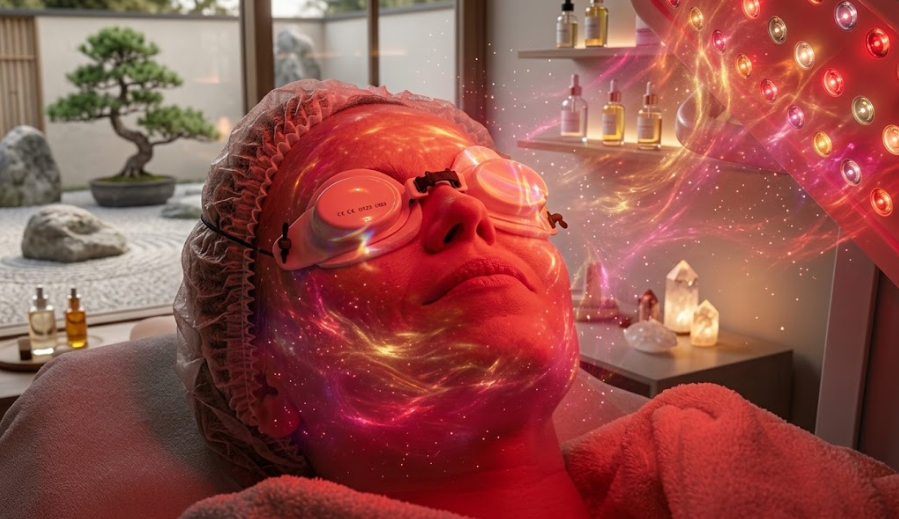


Recent years have seen at-home red light therapy (RLT) move from a niche wellness technology to a familiar part of modern self-care. RLT devices designed for home use, such as facial masks, belts, and even larger panels, have made it possible for people to incorporate light-based sessions into their wellness routines more easily.
However, this growing popularity of red light therapy raises an important question: what can consistent red light therapy realistically offer?
Research into the effects and benefits of red light has been promising. However, the results you can expect depend on several factors, such as the wavelength and dose of the light, your treatment schedule, and your specific goals.
This article provides information on the real scope of at-home red light therapy and what consistent use can offer for your daily wellness.
Why At-Home Red Light Therapy Is Becoming Part of Everyday Wellness Routines
Red light therapy, also referred to as photobiomodulation, uses wavelengths of red and near-infrared light. Photobiomodulation offers a variety of applications to improve your overall wellness and manage some mild health concerns. For example, it may improve your skin health, fade signs of aging, support exercise recovery, and enhance cellular function.
These potential benefits, in addition to safety and convenience, are some reasons that have contributed to the popularity of red light therapy. The availability of simpler and easy-to-handle RLT devices has made it possible for people to incorporate the sessions into their everyday life. They no longer need to visit a clinic or specialist to access light-based sessions.
What Red and Near-Infrared Light Are Designed to Support
The benefits of RLT are primarily attributed to the ability of red and near-infrared light to influence mitochondrial functions.
Mitochondria are tiny organelles that play a key role in producing ATP, which provides fuel for cellular functions. Red and near-infrared wavelengths in the range of 630 to 850 nm might interact with mitochondria and promote the production of energy in cells. This is expected to enhance cellular functions and support healing.
In addition, red light may also lower inflammation, improve blood circulation, reduce oxidative stress, and promote tissue repair, thereby promoting overall wellness.
Why Consistency Matters More Than Occasional Use
Wellness habits like a healthy diet, exercise, and restful sleep work mainly through consistency and repetition. In the same manner, the benefits of red light therapy can be achieved only by building a sustainable routine and consistent sessions. This is why people considering at-home red light therapy should think in terms of maintaining a routine rather than expecting a dramatic change after one session.
What Daily Wellness Benefits May Be Realistically Expected
Here are some wellness benefits you can expect by incorporating red light therapy into your existing healthy lifestyle.
Skin and Appearance
Clinical research suggests that consistent RLT sessions may support several aspects of skin health. Some potential benefits of red light for skin include reduced fine lines and wrinkles, firmer, more elastic skin, and improved overall skin quality. The results tend to be better when red light therapy is included as a replacement for other essential skincare habits, such as daily sun protection, moisturizing, or cleansing.
Also, factors such as age, skin condition, device specifications, and treatment schedule can influence outcomes.
Exercise Recovery and Physical Comfort
Red light therapy may support post-workout recovery and reduce muscle soreness. It may also enhance athletic performance by increasing cellular energy. These benefits of RLT could complement established recovery practices such as hydration, nutrition, adequate sleep, mobility work, and rest.
Relaxation and Personal Wellness
RLT may offer an effective way to support mental and physical relaxation. You may use a red light session as an opportunity to practice breathing exercises, stretch, slow down, or simply take a few minutes away from screens.
This routine could become part of your broader approach to self-care and support your emotional wellness.
Understanding the Limits of At-Home Red Light Therapy
At-home RTL sessions may offer benefits to enhance your health and wellness. However, RLT is not a replacement for medical advice or treatments. Hence, it is important to be aware of the limitations of RLT and set realistic expectations.
Importantly, a device offering multiple wavelengths, high irradiance, and advanced LED configurations may still have limited evidence for a specific application. Hence, it is advisable to look for transparent specifications and avoid products that make sweeping promises.
How to Make Red Light Therapy Part of a Balanced Wellness Routine
Here are some practical suggestions to make red light therapy part of a balanced wellness routine:
- Choose an at-home red light therapy device that is suited to your intended use, including factors such as wavelength, irradiance, treatment area, and design.
- Keep sessions consistent to build RLT into a predictable routine.
- Follow the instructions from the manufacturer regarding treatment distance, duration, and frequency.
- Schedule your sessions after stretching, during an evening wind-down, or alongside another regular habit to connect RLT to your existing routine.
- Pay attention to irritation, discomfort, and unexpected reactions. If these symptoms occur or persist, stop using the device and seek appropriate professional advice.
Final Thoughts
At-home red light therapy might offer an effective and consistent way to support skincare, enhance energy levels, promote recovery, and improve overall wellness. The most useful approach to incorporate RLT into your wellness routine is to choose a thoughtfully designed device, understand its specifications, follow the recommended protocol, and treat it as one part of a balanced lifestyle.
Most importantly, consistency is the key to seeing the expected benefits. Use it to complement rather than replace established healthy habits, such as getting enough sleep, staying active, eating well, and protecting your skin.