


Understanding Flexibility, Strength, and Mobility
Flexibility, strength, and mobility are essential components of physical fitness that contribute significantly to overall health and performance. Understanding these concepts is vital for anyone looking to improve their physical capabilities and ensure a well-rounded fitness regimen.
Flexibility refers to the range of motion in a joint or group of joints. It is crucial for performing daily activities and engaging in physical exercise. Enhanced flexibility can lead to better performance in sports, reduced risk of injury, and improved posture. Stretching exercises are commonly employed to increase flexibility, enabling muscles and tendons to lengthen and adapt more efficiently to movements.
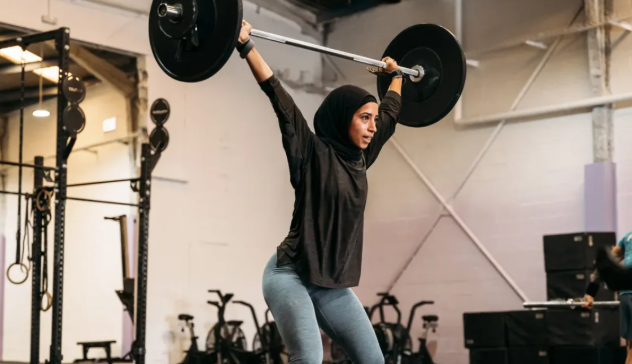
Strength, on the other hand, is defined as the amount of force a muscle can produce. It is fundamentally important for various physical activities, from lifting heavy objects to maintaining balance during dynamic actions. Strength training exercises, such as weightlifting and bodyweight movements, are aimed at enhancing muscle mass and strength, which can yield benefits like increased metabolism, improved bone density, and enhanced athletic performance.
Mobility encompasses both flexibility and strength, focusing on the ability to move a joint through its full range of motion with control. It involves not only the flexibility of muscles and tendons but also the strength of the surrounding muscles that stabilize the joint during movement. Well-developed mobility can improve functional performance, allowing individuals to execute movements safely and efficiently.
In summary, flexibility, strength, and mobility are interconnected elements that play a crucial role in physical fitness. By focusing on enhancing these components, individuals can achieve better health outcomes, improved athletic performance, and a reduced risk of injury during various activities.
Benefits of Regular Flexibility Training
Incorporating flexibility exercises into a fitness routine offers numerous benefits that contribute significantly to overall health and physical performance. One of the primary advantages is the improvement of the range of motion in joints. Flexibility training exercises help in loosening up tight muscles and connective tissues, allowing for more extensive and fluid movements. This enhanced range of motion not only facilitates daily activities but also plays a crucial role in exercise execution, making movements more efficient and effective.
Another vital benefit of regular flexibility training is injury prevention. A flexible body is less prone to injuries, as flexible muscles are better equipped to handle the demands placed on them during physical activities. For instance, tight muscles can lead to strains and tears, particularly in high-intensity workouts or sports. By engaging in flexibility exercises, individuals can reduce their risk of suffering from these types of injuries, allowing for a more consistent and pain-free workout experience.
Enhanced athletic performance is yet another compelling reason to prioritize flexibility exercises. Numerous studies have shown that athletes who incorporate regular flexibility routines into their training often perform better, as their bodies can execute movements more dynamically. This advantage is evident across various sports where agility, balance, and coordination play crucial roles. Moreover, improved flexibility aids in faster recovery from strenuous exercises, enabling athletes to sustain their training schedules without prolonged downtime.
Lastly, better posture is often overlooked but remains a significant benefit of flexibility training. Many individuals struggle with poor posture due to sedentary lifestyles. Regular flexibility exercises, particularly those focusing on the spine, shoulders, and hips, can counteract the effects of prolonged sitting, thus promoting better alignment and reducing the likelihood of discomfort. In conclusion, the advantages of integrating flexibility exercises into a routine are manifold, encompassing improved range of motion, injury prevention, enhanced athletic performance, and better posture, all of which contribute to a healthier and more active lifestyle.
Strength Training for Flexibility and Mobility
The relationship between strength training and enhanced flexibility and mobility is often underestimated. Building strength in muscles not only contributes to overall fitness but also significantly enhances the range of motion and flexibility. When muscular strength is developed, it equips the body to perform movements that require flexibility with greater ease, ultimately supporting improved mobility.
One of the primary ways strength training supports flexibility is through the concept of dynamic stretching. Dynamic stretches not only prepare the muscles and joints for activity but also involve the contraction of muscles, which can lead to a greater range of motion. Exercises such as lunges and squats, when integrated into a training routine, help to strengthen the legs while simultaneously promoting hip and knee flexibility.
Another effective exercise that combines strength training with flexibility improvement is the deadlift. This foundational movement not only strengthens the posterior chain, including the hamstrings and glutes, but also opens up the hips and promotes spinal mobility. When performed with proper technique, deadlifts can aid in developing an elasticity in the muscles that can translate to better movement patterns.
Incorporating resistance bands into workouts can further enhance flexibility along with strength. Movements such as the band pull-apart not only activate the upper body muscles but also encourage a more dynamic range of motion in the shoulders, enhancing both strength and flexibility simultaneously. Similarly, exercises like overhead presses strengthen the shoulders while also stretching the relevant muscle groups, forging a pathway to improved mobility.
Moreover, exercises focusing on core strength, such as planks and side planks, can have an indirect impact on flexibility by stabilizing the body during dynamic movements. A strong core allows for better control and alignment during various activities, thereby promoting a free and unobstructed range of motion.
By integrating specific strength training exercises into a routine, one can effectively support and improve flexibility and mobility. This approach not only enhances athletic performance but also aids in everyday movements, fostering a well-rounded and functional physique.
Key Mobility Exercises for Daily Life
Maintaining mobility is crucial for overall health and well-being, especially as we engage in daily activities that require various ranges of motion. Incorporating specific mobility exercises into your routine can significantly reduce stiffness and enhance your functional movement. Here, we outline essential mobility exercises that mimic common tasks, promoting better movement patterns and preventing injuries.
One effective exercise is the hip flexor stretch. This mobilizes the hips while also lengthening the hip flexor muscles, which can become tight due to prolonged sitting. To perform this stretch, kneel on one knee with the other foot in front, forming a 90-degree angle. Gently push your hips forward while keeping your torso upright. Hold this position for 20-30 seconds and switch sides, ensuring you maintain proper alignment.
Another beneficial exercise is the cat-cow stretch. This fluid movement helps increase spinal flexibility and mobilizes the thoracic spine. Start on your hands and knees in a tabletop position. Inhale while arching your back, letting your belly drop toward the floor (cow), then exhale as you round your back, tucking your chin to your chest (cat). Repeat this sequence for several breaths, focusing on gradual, controlled motions.
The ankle circles exercise is also important, particularly for maintaining ankle flexibility and preventing stiffness. While sitting or standing, lift one foot slightly off the ground and rotate your ankle in a circular motion. Perform 10 circles in one direction, then reverse. This simple yet effective movement promotes mobility in the ankles, an area that is often overlooked.
Finally, incorporating dynamic lunges can help enhance hip mobility and strengthen the lower body. Step forward into a lunge, ensuring your front knee stays behind your toes. Rotate your torso towards your bent knee to engage your core further. This not only stretches the hip flexors but also improves balance and coordination.
Integrating these mobility exercises into your daily routine will support better movement mechanics, increase your range of motion, and contribute to overall health. By working on these exercises consistently, you can help ensure that daily activities are performed with greater ease and comfort.
Dynamic vs. Static Stretching: When to Use Each
Stretching is an essential component of any fitness regimen, aiding in flexibility, strength, and overall mobility. There are two primary types of stretching: dynamic and static. Understanding the differences between these two approaches is crucial for optimizing performance and reducing the risk of injury.
Dynamic stretching involves the use of movement to improve the range of motion and prepare the body for exercise. It typically includes exercises such as leg swings, arm circles, and torso twists. These movements effectively elevate the heart rate and increase blood flow to the muscles. It is recommended to incorporate dynamic stretching during warm-up routines before engaging in physical activities, particularly those that require explosive motions or agility.
On the other hand, static stretching focuses on lengthening muscles and improving flexibility through stillness. This type of stretching is performed by holding a position to stretch a particular muscle group without movement. Common examples include hamstring stretches, quadriceps stretches, and shoulder stretches. Static stretching is best utilized as part of a cool-down routine after physical activities, as it helps to relax the muscles and improve overall flexibility. It is important to hold each stretch for a duration of 15-30 seconds for optimal results.
In summary, both dynamic and static stretching play vital roles in enhancing performance and preventing injuries. Dynamic stretching is ideal for warm-ups, stimulating the body for activity, while static stretching is most beneficial during cool-downs to promote flexibility and recovery. By understanding when to use each type, individuals can tailor their stretching routines to suit their specific needs and enhance their physical activities effectively.
Incorporating Yoga for Flexibility and Strength
Yoga has become increasingly popular as a comprehensive exercise regimen that enhances both flexibility and strength. The practice is rooted in ancient traditions but has found its place in modern fitness routines due to its holistic benefits. One of the key features of yoga is that it stretches and strengthens various muscle groups simultaneously, empowering practitioners to develop a balanced physique while preventing injuries.
Consider incorporating specific yoga poses into your routine to effectively target flexibility and strength. For instance, the Downward-Facing Dog pose not only stretches the hamstrings and calves but also strengthens the shoulders and arms. Similarly, the Warrior II pose is excellent for building strength in the legs while improving flexibility in the hips. These poses, among others, can form the backbone of a well-rounded practice that addresses both physical attributes.
In addition to engaging specific muscle groups, yoga encourages deep breathing, which enhances oxygen flow throughout the body. This aspect of yoga contributes to improved endurance and aids in recovery post-exercise. As flexibility increases over time, individuals often find they can perform more advanced poses, further enhancing their strength and overall physical performance.
To effectively integrate yoga into your fitness routine, begin with short sessions two to three times a week. Gradually increase the frequency and duration as your comfort and flexibility improve. Utilize online resources or classes led by certified instructors to ensure you are practicing the poses correctly and safely. Through consistent practice, yoga can become a vital component of your overall fitness strategy, promoting flexibility and strength in harmony.
The Role of Foam Rolling in Flexibility and Mobility
Foam rolling has emerged as a highly effective technique for enhancing flexibility and improving mobility. This self-myofascial release method is increasingly recognized for its ability to alleviate muscle tension and facilitate better movement patterns. Many individuals, whether they are athletes or casual fitness enthusiasts, have found foam rolling to be a valuable addition to their routine.
To effectively utilize a foam roller, one should start by selecting the appropriate type of roller. There are various densities available, ranging from soft to hard, allowing users to choose based on their comfort level and experience with this technique. Beginners may opt for a softer roller to ease into the process, while those with more experience in flexibility training often utilize firmer models for deeper penetration into the muscle tissue.
When starting foam rolling, it is crucial to target specific muscle groups, such as the quadriceps, hamstrings, calves, glutes, and back. By applying controlled pressure to these areas, the roller helps break up knots and tightness within the fascia, effectively promoting blood circulation. To achieve the best results, individuals are encouraged to roll each area for 1-2 minutes while pausing on particularly tight spots for a more extended period.
The benefits of foam rolling extend beyond mere relaxation; it also plays a vital role in mobility training. By improving the pliability of the muscles and connective tissues, foam rolling can lead to enhanced range of motion in joint movements. Consequently, integrating foam rolling into a fitness regimen not only aids recovery post-exercise but also prepares the body for upcoming physical activities.
As such, foam rolling should be viewed as an essential practice for those aiming to enhance their overall performance and well-being. By committing to a regular foam rolling routine, individuals can experience significant improvements in flexibility and mobility, setting a strong foundation for any fitness journey.
Creating a Personal Routine for Flexibility and Strength
Designing a personalized routine that effectively combines flexibility and strength exercises is essential for individuals looking to improve their overall fitness. The first step in crafting such a routine is to assess one’s current fitness levels and specific goals. Whether the aim is to enhance athletic performance, recover from an injury, or simply maintain general health, understanding personal objectives is crucial.
Once goals are identified, the next phase involves selecting exercises that align with both flexibility and strength training. For flexibility, consider incorporating dynamic stretching movements such as leg swings or arm circles as part of a warm-up. Additionally, static stretching exercises, like holding a hamstring stretch or a hip flexor stretch, can be included in the cool-down phase to promote recovery and enhance flexibility.
On the strength side, focusing on compound movements, such as squats, deadlifts, and push-ups, can yield significant benefits. These exercises engage multiple muscle groups, promoting functional strength and stability. It is also beneficial to integrate unilateral strength exercises like lunges and single-arm rows, which can improve balance and coordination.
When creating a balanced routine, one should consider the frequency of workouts. A general recommendation is to incorporate flexibility and strength training exercises at least three to four times a week. Each session can be structured to include a brief warm-up, followed by targeted flexibility and strength exercises, and concluding with a cool-down stretching session.
Adapting the intensity and duration of each exercise will help cater to individual fitness levels. Keeping a record of progress can also help in making necessary adjustments, ensuring continuous growth and improvement. By personalizing routines and following these guidelines, individuals can achieve a more tailored approach that supports long-term success in developing flexibility and strength.
Tips for Staying Consistent and Motivated
Maintaining motivation and consistency in a flexibility and strength training regimen can often be challenging. However, adopting effective strategies can significantly enhance adherence to such a program. Setting realistic and achievable goals is paramount. Start with small, manageable objectives that gradually lead to larger achievements. This progressive approach will not only foster a sense of accomplishment but also encourage individuals to stay committed. For example, one might aim to improve flexibility by a specific degree within a certain timeframe or to increase the number of repetitions in strength exercises.
Additionally, tracking progress is an essential component in staying motivated. Utilizing a journal or a digital app to record workouts and improvements allows individuals to visually see their achievements over time. Not only does this method highlight progress, but it also helps to identify areas that may require additional focus, thereby ensuring a balanced approach to training.
Incorporating a variety of exercises can help maintain interest and enjoyment in the workout routine. Engaging in different activities, such as yoga, pilates, or simply exploring outdoor spaces, can enhance the training experience. Finding a workout buddy or joining a group class can further foster a sense of community and accountability, making it easier to stay on track.
Moreover, it is crucial to embrace rest days as part of the training regimen. These days allow the body to recover, preventing burnout and potential injuries. Engaging in restorative practices like stretching or gentle walks during these times can also enhance overall flexibility and prepare the body for subsequent workouts.
In conclusion, by setting realistic goals, tracking progress, incorporating variety, and allowing for rest, individuals can effectively maintain motivation and consistency in their flexibility and strength training journey. This holistic approach not only enhances physical well-being but also promotes a sustainable fitness lifestyle.