


We tend to think of health hazards as things we can see — but some of the most persistent ones live quietly underfoot. Carpets are a major part of most homes, and while they add warmth and comfort, they also act as a vast reservoir for dust, allergens, bacteria and microscopic debris. For most people this goes unnoticed, but for anyone with allergies, asthma or a compromised immune system, the state of the carpet can have a real and measurable impact on wellbeing. Understanding what accumulates in your carpet — and how to manage it — is a simple, practical step toward a healthier home. At Carpet Heroes, we deal with the hidden build-up inside carpets every day, and understanding what’s down there is a simple step toward a healthier home.
Your Carpet Is a Filter That Needs Emptying
One of the more surprising facts about carpet is that it genuinely improves air quality — up to a point. The fibres trap airborne particles, holding dust, pollen and other irritants down at floor level instead of leaving them circulating in the air you breathe. The catch is that a filter only works until it’s full. Once a carpet is saturated with trapped debris, everyday activity — walking across it, children playing, pets moving around — disturbs those particles and releases them back into the air. Regular, thorough cleaning is what empties the filter and keeps it doing its job.
Dust Mites: The Uninvited Residents
Dust mites are microscopic creatures that thrive in warm, humid environments — and carpets suit them perfectly. They feed on the flakes of dead skin that humans and pets shed constantly, and it’s not the mites themselves but their waste that triggers allergic reactions. For people sensitive to them, this can mean sneezing, a runny or blocked nose, itchy eyes and worsened asthma. Vacuuming reduces surface numbers, but mites and their allergens work deep into the pile where household vacuums struggle to reach. Periodic deep cleaning with high heat is one of the most effective ways to reduce the population.
Bacteria, Mould and Moisture
Carpets can also harbour bacteria and mould, particularly in homes with pets, high humidity or a history of spills that weren’t dried out properly. Moisture is the key risk factor: a spilled drink or a poorly extracted DIY clean can leave the backing damp, and damp fibres are an ideal environment for microbial growth. This is often the hidden cause of a room that smells faintly musty no matter how much you air it. Proper professional extraction removes moisture as well as dirt, which is exactly why it reduces this risk rather than adding to it.
Who Is Most Affected
For a healthy adult, a somewhat dusty carpet is unlikely to cause obvious problems. But certain groups are far more sensitive. Babies and toddlers spend much of their time on the floor, close to and in direct contact with the carpet. People with asthma or allergic rhinitis can experience noticeably worse symptoms indoors when carpets are neglected. And anyone with a weakened immune system benefits from keeping their environment as clean as reasonably possible. For these households, carpet hygiene isn’t cosmetic — it’s part of managing their health.
Practical Steps to a Healthier Carpet
The good news is that keeping carpets healthy doesn’t require drastic measures. Vacuum at least twice a week, ideally with a machine fitted with a HEPA filter that traps fine particles rather than blowing them back out. Deal with spills immediately to prevent moisture and staining. Use doormats and consider a shoes-off policy to cut down the dirt tracked in from outside. Keep indoor humidity moderate to discourage dust mites and mould. And schedule periodic professional deep cleaning to remove what everyday maintenance can’t.
Why Professional Cleaning Makes a Difference
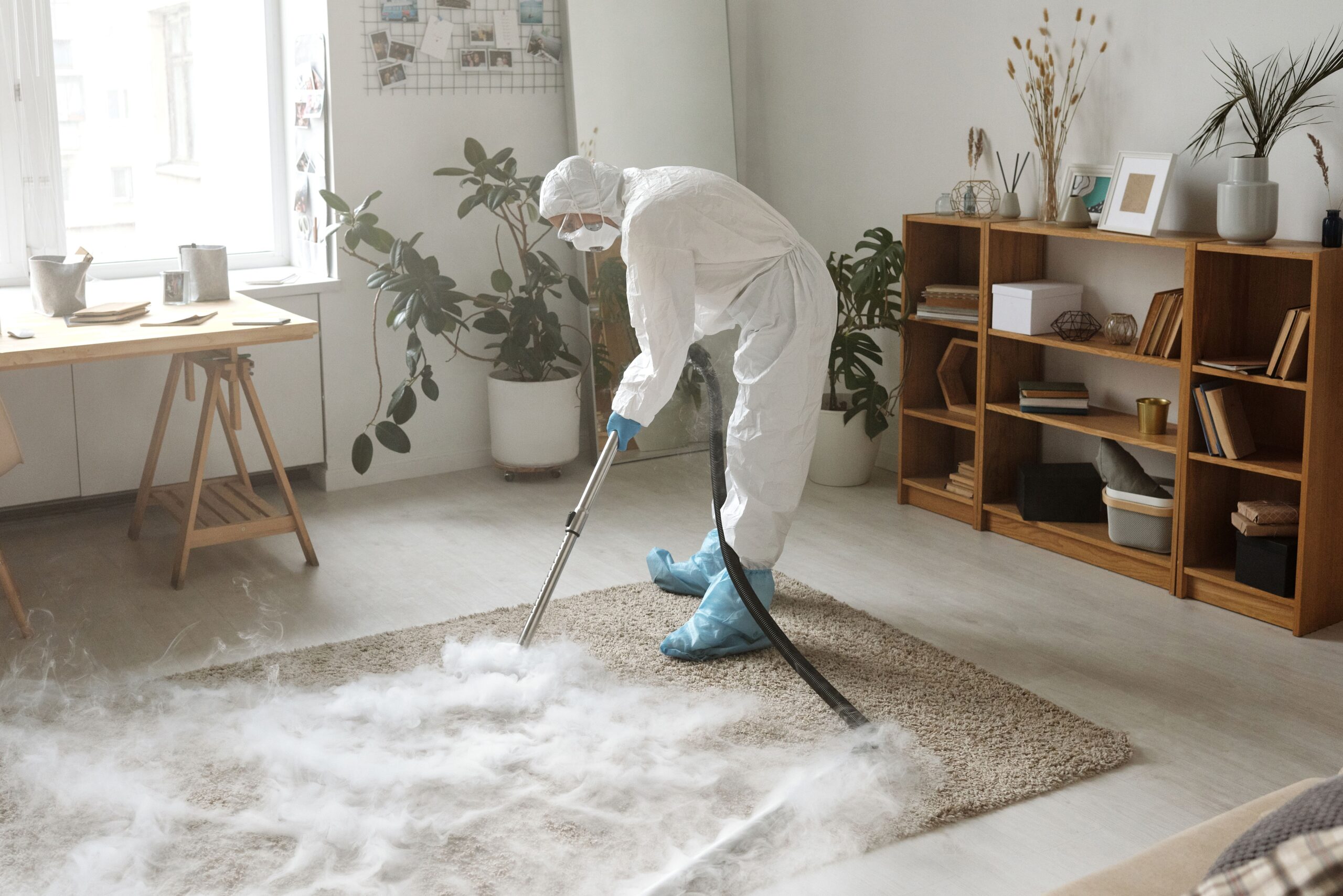
Everyday vacuuming manages the surface, but only high-temperature hot-water extraction reaches deep enough to remove embedded allergens, dust-mite waste and bacteria — and to pull moisture back out so the carpet dries quickly rather than becoming a breeding ground. For allergy and asthma sufferers in particular, many people report a genuine improvement in indoor comfort after a thorough professional clean.
If indoor allergies are a concern in your household, a deep clean from a professional team such as Carpet Heroes can make a real difference to the air quality in your home. It’s a straightforward, one-off step that resets your carpets and gives that built-in filter a fresh start — something everyday cleaning alone can’t achieve.
Small Daily Habits With an Outsized Effect
Between deep cleans, a handful of low-effort habits meaningfully reduce the allergen load in your carpets. Taking shoes off at the door prevents a surprising amount of pollen, pollution particles and outdoor allergens from being tracked across the floor in the first place. Ventilating rooms regularly — even just opening windows for a short spell each day — helps control the humidity that dust mites and mould depend on. Washing rugs, throws and pet bedding on a regular cycle removes reservoirs of dander that would otherwise migrate onto the carpet. And grooming pets outdoors where possible keeps loose hair and dander from settling indoors. None of these require much time or expense, yet together they noticeably lighten the burden on your carpet and, by extension, on the air your household breathes every day.
This article is intended as general guidance and is not a substitute for personalised medical advice. If you or someone in your household experiences persistent respiratory or allergy symptoms, it’s always worth speaking to a healthcare professional.