


Introduction to Smart Healthcare Technologies
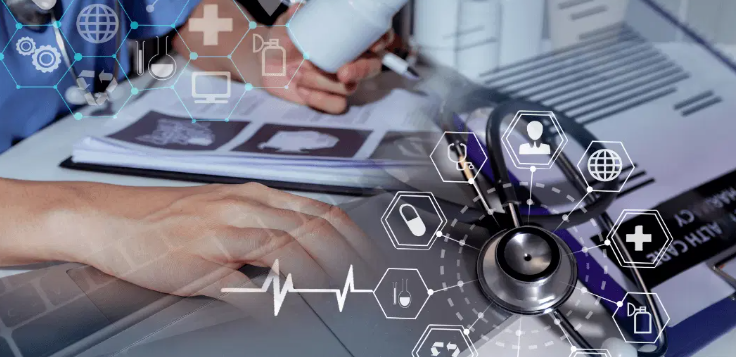
Smart healthcare technologies represent a transformative evolution within the medical landscape, integrating digital innovations into traditional healthcare systems. These technologies encompass a broad spectrum, including telemedicine, electronic health records (EHRs), wearable health devices, and artificial intelligence (AI) applications, all aimed at enhancing healthcare delivery.Within this broader shift, an AI medical scribe solution can help healthcare providers streamline documentation and reduce administrative workloads.
The significance of smart healthcare technologies cannot be overstated. In a world where patient expectations are continually rising, hospitals are increasingly adopting these solutions to improve patient care. By leveraging smart technology, healthcare providers can offer real-time monitoring and more personalized treatment plans, fostering a more responsive healthcare environment.
Moreover, these advancements are pivotal in enhancing operational efficiency. Smart healthcare technologies streamline administrative processes, reduce paperwork, and facilitate better resource allocation. This efficiency not only benefits healthcare providers but also optimizes the patient experience, enabling quicker response times and improved satisfaction rates.
Cost reduction is another critical aspect of smart healthcare technologies. By minimizing inefficiencies and improving health outcomes, hospitals can significantly lower operational costs. Additionally, preventive care facilitated through these technologies can lead to early diagnosis and treatment, ultimately reducing the long-term financial burden on both healthcare systems and patients.
As the healthcare landscape evolves, the adoption of smart technologies is becoming essential. Integrating these innovations is not merely a trend but a necessary shift to meet the demands of modern healthcare. The focus on patient-centered care, operational excellence, and cost efficiency firmly establishes smart healthcare technologies as a fundamental component of the healthcare strategy moving forward.
Current Trends in Healthcare Technology Adoption
The landscape of healthcare is undergoing significant transformation due to the rapid adoption of advanced technologies. Among these, telemedicine has emerged as a leading trend, particularly accelerated by the COVID-19 pandemic. Telemedicine allows healthcare providers to deliver care remotely, using video conferencing tools and other digital platforms. This technology provides patients with convenient access to medical professionals without the need for an in-person visit, thereby reducing the risk of virus transmission and alleviating pressure on healthcare facilities. The positive feedback and increased usage of telehealth services during the pandemic have led many hospitals to integrate these solutions into their standard operations.
Another notable trend is the increasing use of wearable health devices, such as fitness trackers and smartwatches. These devices monitor vital signs and offer real-time health data, empowering patients to take charge of their health outside traditional clinical settings. Hospitals are beginning to recognize the value of this technology by utilizing data collected from wearables to improve patient engagement and tailor preventive care approaches. Moreover, integrating this data into electronic health records (EHRs) can enhance care coordination and inform more personalized treatment strategies.
The adoption of electronic health records has also gained significant traction, driven by the need for efficient data management in healthcare settings. EHRs facilitate seamless communication among healthcare providers, enabling a comprehensive view of a patient’s medical history. This interconnectedness not only improves patient safety through reduced medical errors but also streamlines administrative processes, ultimately enhancing the patient experience. The integration of telemedicine and wearable technology into EHR systems further exemplifies how hospitals are adapting to meet contemporary healthcare demands.
Benefits of Smart Technologies in Hospitals
Smart healthcare technologies are revolutionizing the operations of modern hospitals, ushering in a multitude of benefits that significantly enhance patient care, operational efficiency, and clinical outcomes. One of the primary advantages is the improvement in patient outcomes. Smart devices and applications facilitate real-time monitoring of patients’ health metrics, enabling healthcare professionals to respond swiftly to any significant changes in their conditions. For instance, wearable health devices track patients’ vital signs, allowing for immediate intervention if necessary.
Moreover, the integration of smart technologies helps in reducing wait times, a frequent concern for both patients and healthcare facilities. Automated scheduling systems and AI-driven triage applications allow hospitals to manage patient flow more efficiently, ensuring that individuals receive timely medical attention. This not only improves the overall patient experience but also enhances the hospital’s capacity to handle more cases without compromising the quality of care.
Enhanced data management is another compelling advantage presented by smart technologies in hospitals. Electronic health records (EHRs) powered by intelligent algorithms streamline the documentation and retrieval of patient information, thus minimizing administrative burdens. This results in more accurate data collection, which can be used for better decision-making and insights into patient care practices.
Finally, the adoption of smart communication systems fosters improved collaboration among healthcare providers. Tools that enable secure messaging and real-time information sharing facilitate seamless coordination among multidisciplinary teams. For example, hospitals utilizing integrated communication platforms have reported significant improvements in teamwork and patient care continuity. As healthcare continues to evolve, the successful implementation of smart technologies will undoubtedly play an integral role in shaping the future landscape of hospital operations.
Challenges in Implementing Smart Healthcare Solutions
As hospitals progressively embrace smart healthcare technologies, a multitude of challenges often arises, impeding their seamless integration into existing systems. One of the primary obstacles is budget constraints. The implementation of advanced technologies necessitates substantial monetary investment for the purchase of equipment, software integration, and ongoing maintenance. Many healthcare facilities operate with tight budgets, limiting their capacity to invest in such innovations, which are perceived as non-essential compared to immediate patient care needs.
Additionally, resistance to change from staff can significantly hinder the adoption of smart healthcare solutions. Healthcare employees, accustomed to traditional practices, may be reluctant to shift to new systems or technologies, fearing that they will disrupt established workflows. This resistance can stem from a lack of understanding of the benefits that smart technologies provide, making it critical for hospital administrators to clearly communicate how these changes will enhance patient care and operational efficiency.
Another pressing challenge involves data privacy concerns. As hospitals implement smart technologies, the influx of patient data raises questions about security and compliance with regulations such as HIPAA. The possibility of data breaches or unauthorized access can lead to heightened anxiety among staff and patients alike, necessitating robust strategies to protect sensitive information.
Training staff to effectively utilize new systems is also essential for successful adoption. Without comprehensive training programs, healthcare providers may struggle to leverage smart technologies fully, undermining the intended benefits. To address these challenges, hospitals can adopt a phased approach to implementation, starting with pilot programs, fostering a culture of openness towards change, investing in data security measures, and establishing ongoing training sessions. Such strategies can mitigate these barriers and pave the way for a smoother transition to smart healthcare technologies.
Case Studies of Hospitals Leading in Smart Technology Integration
As healthcare continues to evolve, several hospitals have emerged as pioneers in the integration of smart healthcare technologies. These institutions are not only enhancing operational efficiency but also improving patient outcomes through innovative solutions. This section examines notable case studies that highlight the unique approaches these hospitals have taken.
One exemplary case is the Mount Sinai Health System in New York, which has implemented a cutting-edge telemedicine platform that enables remote consultations. Its primary goal was to enhance access to care for patients who face barriers to visiting hospitals in person. Over the span of a year, Mount Sinai saw a 25% increase in telehealth appointments, which significantly decreased patient wait times and improved satisfaction scores. This case illustrates how smart technology like telemedicine can bridge gaps in healthcare delivery.
Another prominent example is the Cleveland Clinic, renowned for its commitment to patient-centered care. The institution adopted an artificial intelligence (AI) system to assist in diagnosing diseases based on imaging studies. The technology was aimed at reducing human error and increasing diagnostic accuracy. After implementation, the Cleveland Clinic reported a 40% reduction in misdiagnoses and improved operational flow in their radiology department, showcasing how AI can play a crucial role in clinical decision-making.
Lastly, the Karolinska University Hospital in Sweden utilized Internet of Things (IoT) devices to monitor patient vitals remotely. The hospital’s goal was to enhance chronic disease management and reduce hospital readmission rates. Following the launch of this initiative, Karolinska observed a significant decline in readmissions, indicating that IoT devices provided valuable real-time data, empowering healthcare providers to act swiftly. These insightful case studies demonstrate the feasibility and benefits of adopting smart healthcare technologies, offering valuable lessons for other institutions.
The Role of Healthcare Professionals in Technology Adoption
Healthcare professionals, including doctors, nurses, and administrative staff, are pivotal to the successful integration of smart healthcare technologies within medical institutions. Their expertise not only shapes the design and implementation of these technologies but also ensures that patient care remains at the forefront of technological advancement. Engaging these professionals early in the process is essential, as their hands-on experience provides valuable insights into the needs and challenges faced in everyday healthcare settings.
When designing new healthcare technologies, it is paramount to consider the perspectives of those who will be using them. Physicians can offer insights into clinical workflows, while nurses can identify practical aspects of patient interaction and care. Similarly, administrative staff can shed light on logistical and operational considerations. By incorporating the input of these professionals, hospitals can foster an environment where technology complements and enhances their practices rather than disrupts them.
Ongoing training and support are equally critical as new technologies are integrated into healthcare settings. It is not sufficient to merely implement a new system; healthcare professionals require extensive training to effectively utilize these innovations. Regular workshops, continuous learning opportunities, and readily available technical support can help alleviate apprehensions surrounding new technologies, encouraging active engagement and utilization. Moreover, this continuous educational approach helps to build confidence and competence, enabling staff to maximize the advantages that smart healthcare technologies offer.
In conclusion, the active participation of healthcare professionals is essential to the successful adoption of smart healthcare technologies. Their involvement in both the initial phases of technology design and the implementation process, coupled with access to ongoing training, will ultimately determine how effectively these innovations can be used to improve patient outcomes and enhance system efficiency in the hospital setting.
Regulatory and Compliance Aspects of Smart Healthcare Technologies
The adoption of smart healthcare technologies in hospitals significantly enhances patient care, but it is critical to navigate the regulatory and compliance landscape associated with these innovations. One of the most pertinent regulations hospitals must consider is the Health Insurance Portability and Accountability Act (HIPAA). HIPAA establishes standards to protect sensitive patient information and mandates that healthcare organizations implement safeguards to maintain the confidentiality and integrity of health data.
Smart healthcare technologies often involve the collection, storage, and transmission of patient data, which can include everything from wearable health monitors to telemedicine platforms. These technologies must be compliant with HIPAA, which means hospitals are responsible for ensuring that all systems securely handle patient information. Violations of HIPAA can lead to severe penalties, including substantial fines, making adherence essential for hospitals looking to implement smart technologies.
Furthermore, the Health Information Technology for Economic and Clinical Health (HITECH) Act complements HIPAA, encouraging the use of electronic health records (EHR) while emphasizing strong data protection mechanisms. In light of these regulations, it is imperative for hospitals to conduct thorough risk assessments when integrating new technologies. Establishing clear policies and procedures for data management and privacy is also necessary to remain compliant.
In addition to HIPAA and HITECH, hospitals must adhere to industry standards such as those set by the International Organization for Standardization (ISO) and the National Institute of Standards and Technology (NIST). These standards provide a framework for quality management and data security that aids organizations in implementing smart healthcare solutions safely.
Overall, navigating the regulatory landscape is a fundamental component of adopting smart healthcare technologies. By ensuring compliance with relevant laws and standards, hospitals can facilitate the successful implementation of innovative healthcare solutions while safeguarding patient information.
Future of Smart Healthcare Technologies in Hospitals
The healthcare landscape is poised for significant transformation with the adoption of smart healthcare technologies. As hospitals continue to embrace innovations such as artificial intelligence (AI), predictive analytics, and the Internet of Medical Things (IoMT), we are likely to see a paradigm shift in patient care, operational efficiency, and clinical outcomes. One of the most anticipated developments is the integration of AI into clinical workflows. AI algorithms can analyze vast amounts of data quickly, helping healthcare professionals make better-informed decisions. For instance, AI-enabled tools can assist in diagnosing diseases more accurately by identifying patterns in medical images or patient histories that may not be visible to human practitioners.
Predictive analytics is another promising trend within smart healthcare technologies. By analyzing historical data and current trends, predictive analytics can foresee patient health issues before they occur, enabling proactive interventions. This capability is crucial in critical care settings, where anticipating complications can significantly improve survival rates. Hospitals could employ these analytics to optimize resource allocation, ensuring that the right personnel and equipment are available when needed most.
Moreover, the Internet of Medical Things (IoMT) is revolutionizing remote patient monitoring and chronic disease management. Wearable devices and connected health monitors provide real-time data to healthcare providers, enabling a shift from reactive to proactive care. This integration fosters enhanced communication between patients and providers, promoting continuous feedback loops that can lead to timely adjustments in treatment plans.
As these technologies evolve, it is evident that their implementation will significantly enhance the quality of care in hospitals. The future of smart healthcare technologies is promising, with ongoing advancements likely to achieve substantial improvements in both patient outcomes and hospital efficiencies.
Conclusion: Embracing the Change in Healthcare
In the rapidly evolving landscape of healthcare, the adoption of smart healthcare technologies is no longer a luxury but a necessity. This transformation, driven by innovations like telehealth, electronic health records, and artificial intelligence, has been shown to significantly enhance patient care, streamline operations, and improve overall health outcomes. As discussed, hospitals that integrate these advanced technologies not only meet the growing expectations of patients and healthcare professionals but also position themselves at the forefront of the healthcare industry.
The long-term benefits of embracing smart healthcare technologies are manifold. Such progress leads to increased efficiency in operations, which can result in cost savings and better resource management. Furthermore, with the data-driven insights provided by modern technologies, hospitals can personalize patient care, tailoring treatment plans to the specific needs of individuals. Moreover, improved access to health information fosters better communication between patients and providers, ultimately resulting in enhanced patient satisfaction and outcomes.
As healthcare continues to evolve, it is crucial for hospitals to remain committed to their digital transformation journey. The integration of smart technologies not only prepares healthcare institutions for future challenges but also ensures they are equipped to provide the best possible care. This strategic direction will not only enhance hospital performance but also significantly contribute to the overall health of communities.
In conclusion, the adoption of smart healthcare solutions is imperative for hospitals looking to thrive in the digital age. By embracing these technologies, healthcare providers ensure they are ready to meet the demands of the future, improving health outcomes on a global scale. It is a journey worth undertaking, promising a brighter, more efficient future for all stakeholders involved in the healthcare system.