
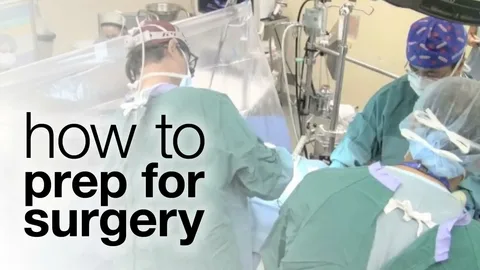


Surgery, whether planned or urgent, is a significant medical event that demands more than just showing up on the appointed day. The way you prepare your body in the days and weeks leading up to a procedure has a direct and measurable impact on how smoothly the surgery goes, how well your body tolerates anesthesia, and how quickly you recover afterward. Many patients focus entirely on finding the right surgeon and the right facility, which is absolutely important, but overlook the equally critical role that pre-surgical preparation plays in determining outcomes. Whether you are undergoing a cosmetic procedure, a reconstructive surgery, or a major internal operation, the principles of preparation remain largely the same. Consulting a qualified Plastic Surgeon or any surgical specialist well in advance of your procedure gives you the time and guidance needed to prepare properly and approach your surgery with confidence.
Why Pre-Surgery Preparation Matters
The human body responds to surgical stress in complex ways. Blood pressure, immunity, nutrient levels, hydration, and medication interactions all play a role in how safely a surgery can be performed and how effectively the body heals afterward. Patients who arrive at surgery nutritionally depleted, physically deconditioned, or carrying unmanaged health conditions face significantly higher risks of complications such as infection, poor wound healing, prolonged anesthesia effects, and extended hospital stays. A well-prepared patient, on the other hand, tends to experience less bleeding during surgery, a more stable response to anesthesia, lower infection risk, and a faster return to normal activity. Choosing a trusted Multi-Specialty Hospital that provides thorough pre-operative assessments ensures that every aspect of your health is evaluated and optimized before you enter the operating theatre.
Nutrition and Hydration in the Weeks Before Surgery
One of the most impactful things you can do before surgery is to improve your nutritional status. Protein is especially important because it is the building block of tissue repair and immune function. In the weeks before surgery, increasing your intake of lean protein sources such as eggs, lentils, chicken, fish, and dairy helps ensure your body has the raw materials it needs to heal efficiently. Iron-rich foods support healthy red blood cell production, reducing the risk of complications related to blood loss. Vitamin C supports collagen synthesis and wound healing, while zinc plays a role in immune defense and tissue regeneration. Staying well hydrated in the days leading up to surgery is equally important, as good hydration supports circulation, kidney function, and anesthetic processing. Your surgical team will advise you on when to stop eating and drinking before the procedure itself, and these instructions must be followed precisely.
Lifestyle Adjustments That Make a Real Difference
Smoking is one of the most significant risk factors for surgical complications. Nicotine constricts blood vessels, reduces oxygen delivery to tissues, and dramatically impairs wound healing. Surgeons routinely advise patients to stop smoking at least four to six weeks before a planned procedure, and the benefits of cessation extend well beyond the surgery itself. Alcohol consumption should also be reduced or eliminated in the pre-surgical period, as it affects liver function, immune response, and the way the body metabolizes anesthetic agents. If you are physically inactive, beginning light to moderate exercise such as walking, stretching, or swimming several weeks before surgery can improve cardiovascular fitness, lung capacity, and overall resilience, all of which support a smoother surgical experience and faster recovery.
Medications, Supplements, and Medical Clearances
Many commonly used medications and supplements can interfere with surgery in ways that patients do not anticipate. Blood thinners, aspirin, anti-inflammatory drugs, and certain herbal supplements such as garlic, ginger, ginkgo, and fish oil all increase bleeding risk and must typically be paused before surgery. Your surgical team will provide a specific list of what to stop and when. It is equally important to disclose all medications, supplements, and health conditions honestly during your pre-operative consultation, as this information directly shapes your anesthesia plan and surgical protocol. Any chronic conditions, such as diabetes, hypertension, or thyroid disorders, should be as well-controlled as possible before the procedure date.
Conclusion
Preparing your body before surgery is not an optional extra it is a fundamental part of achieving a safe procedure and a smooth recovery. The effort you invest in the weeks before your surgery pays dividends in reduced complications, faster healing, and better long-term results. From nutrition and hydration to lifestyle changes and medication management, every step of preparation serves a purpose. Work closely with your surgical team, follow their guidance precisely, and approach your surgery as a partnership between your body and your medical care. The better prepared you are, the better your outcome is likely to be.
Frequently Asked Questions
Q1. How far in advance should I start preparing for surgery?
Ideally, preparation should begin at least four to six weeks before a planned surgery. This gives enough time to improve nutrition, stop smoking, adjust medications, complete pre-operative tests, and address any underlying health conditions that could affect surgical outcomes.
Q2. Can I eat normally before surgery?
Your surgical team will provide specific fasting instructions that must be followed precisely. Generally, patients are asked to stop eating solid food six to eight hours before surgery and avoid liquids for two to four hours prior, though this varies depending on the type of anesthesia and procedure involved.
Q3. Why is it important to stop smoking before surgery?
Smoking reduces oxygen delivery to tissues, constricts blood vessels, and significantly impairs wound healing. Stopping smoking at least four to six weeks before surgery reduces the risk of infection, poor healing, respiratory complications during anesthesia, and prolonged recovery time.
Q4. Which supplements should I avoid before surgery?
Supplements such as fish oil, garlic, ginger, ginkgo biloba, vitamin E, and herbal products can increase bleeding risk or interact with anesthetic agents. Always disclose every supplement you are taking during your pre-operative consultation so your surgical team can advise you on what to stop and when.
Q5. Does physical fitness affect surgical outcomes?
Yes significantly. Patients who are physically active before surgery tend to have better cardiovascular and lung function, tolerate anesthesia more effectively, experience less post-operative fatigue, and recover faster. Even light daily walking in the weeks before surgery can make a meaningful difference to your overall surgical experience.