
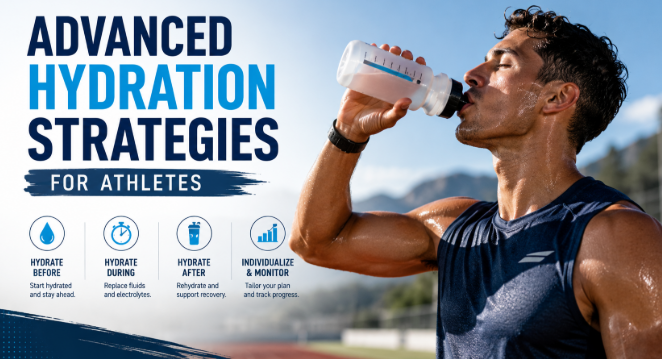


Introduction to Hydration for Athletes
Hydration is a fundamental aspect of athletic performance, significantly impacting endurance, strength, and recovery. Water is essential for maintaining the body’s physiological functions, especially during physical exertion when fluid loss occurs through sweat and respiration. For athletes, proper hydration not only enhances performance but also plays a pivotal role in preventing dehydration-related complications, such as heat exhaustion and muscle cramps.
The hydration needs of athletes can vary greatly depending on several factors including the type of sport, training intensity, duration of the activity, and environmental conditions. Endurance sports, for instance, necessitate a higher fluid intake to replace the substantial volume of sweat lost during prolonged activities. On the other hand, athletes engaged in strength training may have different hydration strategies that focus more on performance during shorter, high-intensity bouts.
Furthermore, recognizing the signs of dehydration is crucial for athletes. Symptoms can range from mild fatigue and reduced concentration to more severe effects that can inhibit performance and increase injury risk. Thus, monitoring fluid consumption and understanding individual hydration requirements can help athletes optimize their training and competitive performance.
Moreover, it is essential for athletes to develop a personalized hydration plan. Such a plan considers individual sweat rates, preferences regarding hydration sources, and the specific demands of their sport. As the knowledge of hydration strategies continues to evolve, athletes must stay informed about best practices to ensure they maintain optimal hydration levels. Through such diligence, athletes can enhance their overall health and performance while mitigating the risks associated with inadequate fluid intake.
Understanding Fluid Balance and Hydration Needs
Fluid balance is a crucial aspect of athletic performance, as it directly impacts an athlete’s overall health and effectiveness during physical activities. Maintaining an optimal hydration level is vital for various physiological processes, including thermoregulation, cardiovascular function, and nutrient transport. The factors influencing hydration needs are numerous, and understanding these can help athletes develop effective hydration strategies tailored to their specific circumstances.
One significant factor that contributes to hydration requirements is the sweat rate, which varies considerably among individuals. Factors determining sweat rate include genetics, body size, training acclimatization, and environmental conditions like temperature and humidity. For instance, athletes training in hot and humid climates often experience higher sweat rates, thus necessitating a more aggressive fluid intake to maintain hydration. Conversely, when exercising in cooler environments, the need for fluid replacement may not be as urgent.
Exercise intensity also plays a crucial role in dictating hydration needs. Higher intensity workouts often lead to increased perspiration and, as a result, greater fluid loss. Athletes engaging in prolonged physical activity are at an even greater disadvantage if they fail to replenish lost fluids promptly. It is essential to monitor hydration status before, during, and after exercise to mitigate the risks of dehydration.
Additionally, the role of electrolytes—such as sodium, potassium, and magnesium—should not be overlooked in discussions about hydration. These essential minerals help regulate fluid balance, nerve function, and muscle contractions. Athletes, particularly those participating in endurance sports, may require electrolyte-rich beverages to compensate for the losses experienced through sweat. Therefore, a well-rounded hydration approach that incorporates both fluids and electrolytes can significantly enhance athletic performance, ensuring optimal fluid balance and overall well-being.
Hydration Strategies Pre-Workout
Pre-workout hydration is essential for athletes as it lays the foundation for optimal performance during training or competition. Effective hydration strategies should focus on timing, the type of fluids consumed, and calculating individual hydration needs.
Timing is crucial in pre-workout hydration. Athletes are encouraged to begin hydrating at least 2-3 hours before the start of their activity. This advance preparation allows the body to absorb fluids effectively and, if necessary, for any excess to be excreted before performance begins. In addition, a smaller quantity of fluids should be ingested about 20-30 minutes prior to the event to ensure that the body remains well-hydrated right before exercise.
The type of fluids consumed also plays a significant role in pre-workout hydration strategies. Water is often sufficient for most athletes participating in moderate intensity exercises lasting less than an hour. However, for those engaging in prolonged or intense training, sports drinks containing electrolytes and carbohydrates can provide additional benefits. These fluids help to replenish salts lost through sweat and maintain energy levels, ultimately supporting sustained performance.
Calculating individual hydration needs is another important strategy athletes should consider. Factors such as body weight, exercise intensity, environmental conditions, and duration of activity all contribute to an athlete’s hydration requirements. A simple formula to estimate pre-workout fluid needs is to drink approximately 500-700 ml (17-24 ounces) of fluid in the hours leading up to exercise. Additionally, monitoring urine color can be a practical way to evaluate hydration status; pale yellow typically indicates adequate hydration.
In summary, effective hydration strategies before workouts include meticulous timing of fluid intake, selecting appropriate types of hydration, and calculating personalized fluid requirements. Implementing these strategies can significantly enhance athletic performance and overall well-being.
Hydration During the Activity
Hydration is an essential aspect of athletic performance, as it directly influences endurance, strength, and overall physical capability. During any athletic endeavor, maintaining adequate fluid and electrolyte levels is crucial to optimize physical performance and prevent potential health issues such as dehydration or heat-related illnesses. Understanding how to effectively hydrate during training or competition can significantly enhance an athlete’s performance.
Firstly, athletes should be aware of their individual hydration needs, which can vary based on body weight, metabolic rate, temperature, and intensity of the activity. A good practice is to monitor fluid loss through sweat and adjust hydration strategies accordingly. Pre-activity hydration is key; athletes should aim to drink sufficient fluids in the hours leading up to their performance to ensure they start well-hydrated.
During the activity, using an electrolyte-rich sports drink is often beneficial, particularly for longer-duration events. These drinks not only replenish fluids but also replace lost sodium, potassium, and other essential electrolytes that are crucial for muscle function. A common recommendation suggests consuming approximately 7 to 10 ounces of a sports drink every 10 to 20 minutes, depending on the intensity of the activity and climatic conditions.
For shorter events, water may suffice, but athletes should still aim to drink little and often to stay hydrated. In addition, it is essential to recognize signs of dehydration, such as fatigue, dizziness, or muscle cramping, which can indicate that hydration needs are not being met. Employing systematic strategies such as scheduled drinking intervals can further enhance hydration practices, ensuring athletes remain composed and effective throughout their performance.
Post-Workout Hydration and Recovery
Post-workout hydration plays a crucial role in an athlete’s recovery process. After intense physical activity, the body experiences fluid loss primarily through sweat and respiration. To effectively replenish these fluids, it is essential for athletes to engage in a structured hydration strategy immediately following exercise. This not only aids in restoring the body’s fluid balance but also enhances recovery, thereby preparing athletes for subsequent workouts.
The focus should be on replenishing not only water but also essential electrolytes such as sodium, potassium, and magnesium, which are lost during intense physical exertion. Sports drinks formulated with electrolytes can be beneficial in this regard. However, consuming whole foods that offer sodium or potassium—like bananas or salty snacks—can also contribute significantly to post-workout electrolyte replenishment. This combined approach allows athletes to restore their body’s salt and mineral balance effectively.
A general guideline suggests that for every pound of body weight lost during a workout, athletes should aim to consume approximately 16 to 24 ounces of fluid within two hours post-exercise. This can include water, electrolyte-rich beverages, or recovery smoothies. Additionally, including protein in the recovery meal may further enhance hydration, as certain amino acids can help the body to retain fluids more effectively. Optimal recovery thus requires not just liquid intake but a balanced combination of fluids and nutrients.
In conclusion, an effective post-workout hydration strategy is essential for athletes to ensure proper recovery and restoration of body balance. By focusing on both fluid intake and electrolyte replacement, athletes can enhance their performance longevity and maintain a higher level of physical function during training and competitions.
Hydration Products and Innovations
In the world of athletics, hydration plays a crucial role in optimizing performance and recovery. As understanding of the physiological needs of athletes evolves, so too do the products designed to meet these needs. A wide array of hydration products is available in the market, each tailored to address specific hydration needs during training and competition.
Sports drinks are among the most popular hydration solutions. These beverages are formulated to replenish fluids, electrolytes, and carbohydrates lost during intense physical activity. With various flavors and formulations, sports drinks offer not only hydration, but also a taste that appeals to athletes, encouraging them to consume adequate fluids during exertion. Popular brands now also emphasize low-sugar or natural ingredient options, responding to the growing demand for healthier alternatives.
Electrolyte tablets are another innovative solution that provide a convenient method of maintaining electrolyte balance. Often utilized by endurance athletes, these tablets dissolve in water and can be adjusted based on personal hydration needs, providing flexibility during long training sessions or events. This targeted approach allows athletes to customize their hydration strategy based on sweat rate and environmental conditions.
Hydration gels have gained traction as a quick, energy-boosting option for athletes. These gels are portable, easy to digest, and deliver not just fluids, but also essential carbohydrates and electrolytes in a concentrated form. They are particularly useful during endurance competitions, allowing athletes to refuel rapidly without the bulk of traditional snacks.
Moreover, advancements in hydration technology have led to the development of smart hydration systems, which track fluid intake and provide personalized recommendations based on athletic performance metrics. Wearable hydration monitors, for instance, are equipped with sensors that provide real-time feedback, ensuring athletes remain adequately hydrated, regardless of variable conditions.
Successful Hydration Plans in Athletic Performance
Effective hydration strategies have been recognized as crucial for athletes striving for peak performance. Various case studies highlight distinct approaches and their respective outcomes, emphasizing the importance of tailored hydration plans that consider individual needs and specific sport demands.
One notable case is that of marathon runner Sarah Thompson, who adopted an individualized hydration strategy involving electrolyte-enhanced beverages during training and competition. By increasing her sodium intake through these drinks, she was able to significantly reduce the incidence of muscle cramps and fatigue that previously hampered her performance. This case illustrates how athletes can benefit from personalized hydration approaches that address their unique physiological demands.
Similarly, the hydration plan employed by professional cyclist Mark Evans demonstrated the efficacy of strategic fluid intake before and during competition. Mark meticulously tracked his fluid consumption, opting for a mix of water and isotonic drinks. His results showed not only improved energy levels but also enhanced recovery times post-race. This case serves as an excellent example of how monitoring hydration can lead to superior athletic performance in endurance sports.
Additionally, the experiences of a collegiate soccer team, under the guidance of their sports nutritionist, showcased the collective impact of a team-wide hydration strategy. The introduction of mandatory hydration breaks and the provision of individualized hydration plans resulted in a marked decrease in instances of dehydration and an overall enhancement in team performance. The players reported higher levels of energy throughout matches, indicating the success of their comprehensive hydration program.
The testimonials from these athletes underline the significance of adopting advanced hydration strategies tailored to their specific conditions, reinforcing the notion that effective hydration can be a determining factor in athletic outcomes. Properly crafted hydration plans help athletes maintain optimal performance levels, minimize recovery times, and enhance overall athletic health.
Challenges and Myths Surrounding Hydration
Hydration remains one of the most critical aspects of athletic performance and recovery. However, athletes often face several challenges and misconceptions when it comes to maintaining optimal fluid levels. One significant challenge is the confusion surrounding the quantity and quality of fluids needed for effective hydration. Many athletes rely solely on thirst as an indicator of fluid needs, which can be misleading, particularly during intense activities. Thirst can often lag behind the body’s actual hydration requirements, resulting in inadequate fluid intake.
Another common misconception is the belief that all beverages contribute equally to hydration. While water is the gold standard for hydration, it is important to recognize that not all drinks are beneficial. For instance, caffeinated beverages may have diuretic effects, leading to increased urine output, which could detract from overall hydration. Furthermore, the myth that drinking large amounts of water will prevent dehydration can also be misleading. In severe cases, overhydration can lead to hyponatremia, a condition characterized by low sodium levels in the blood.
Additionally, athletes often hold erroneous beliefs regarding the timing of water intake. Many think they can wait until after a workout to hydrate effectively; however, studies have shown that proactive hydration before and during exercise significantly enhances performance and recovery. Also, participants in endurance sports may frequently rely on sports drinks, mistakenly assuming they are a panacea for hydration when in reality, these should be used judiciously, mainly when electrolyte replenishment is necessary.
In order to combat these challenges and myths, athletes should focus on understanding their individual hydration needs based on factors such as exercise intensity, duration, environmental conditions, and personal physiology. Utilizing science-based guidelines and maintaining a consistent hydration strategy can vastly improve athletic performance while debunking prevalent hydration myths.
Conclusion and Final Thoughts
In reviewing advanced hydration strategies for athletes, it is clear that adequate and personalized hydration can significantly influence athletic performance and overall health. As discussed, the intricacies involved in maintaining proper fluid balance extend beyond merely drinking water; they encompass a range of factors including the type of fluids consumed, the timing of hydration, and understanding individual physiological needs. By considering elements such as sweat rates, environmental conditions, and the specific demands of different sports, athletes can tailor hydration plans that are not only effective but also sustainable.
The importance of hydration cannot be overstated. It affects crucial functions such as thermoregulation, joint lubrication, and nutrient transport, all of which are vital for optimal performance. Inadequate hydration can lead to fatigue, decreased coordination and increased risk of injuries, all of which can hinder an athlete’s progress and performance outcomes.
Ultimately, each athlete’s hydration strategy should be customized to accommodate their unique circumstances and requirements. This may involve experimenting with different fluids, incorporating electrolyte supplements, and frequently reassessing hydration needs depending on activity intensity and duration. By focusing on these advanced hydration strategies, athletes can ensure that they are prepared not just to compete but to excel. Continuous education on hydration science is essential for athletes committed to improving their performance and achieving their goals. Therefore, it is highly recommended to remain informed on the latest hydration research and recommendations to adapt effectively.