
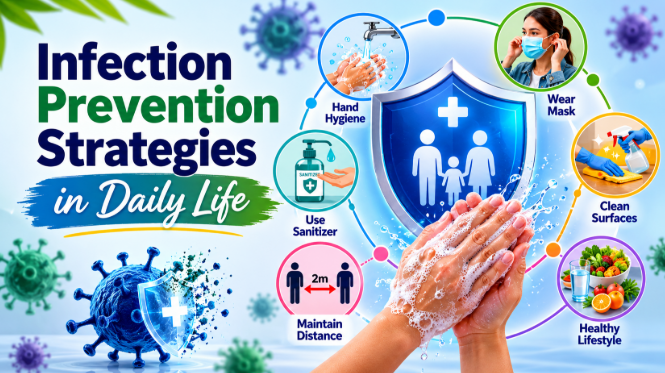


Infections can broadly be categorized into four major types: bacterial, viral, fungal, and parasitic infections. Each type has distinct characteristics and modes of transmission that are crucial to understand for effective infection prevention in daily life.
Bacterial infections are caused by harmful bacteria that invade the body, multiply, and cause disease. Common examples include strep throat and urinary tract infections. These infections can be transmitted through direct contact with an infected person, surfaces contaminated with bacteria, or consuming contaminated food and water.
Viral infections, on the other hand, are caused by viruses that replicate inside the host’s cells. Common viruses include influenza, COVID-19, and the common cold. Transmission often occurs through the airborne route when infectious droplets are released into the air when an infected person coughs or sneezes. Additionally, viruses can also spread via direct contact with infected surfaces or objects.
Fungal infections are due to fungi, such as molds and yeasts, which can cause illnesses ranging from skin rashes to serious systemic infections. Transmission typically occurs in environments where fungi thrive, such as damp areas, and through direct contact with infected individuals or contaminated surfaces. It’s essential to note that fungal infections can be particularly problematic for individuals with compromised immune systems.
Finally, parasitic infections are caused by parasites, which are organisms that live on or in a host and can cause harm. Common parasites include protozoa, worms, and ectoparasites like lice. These infections can spread through contaminated food and water, or by vector-borne transmission, where insects like mosquitoes act as carriers. Understanding these various types of infections and their modes of transmission is vital for implementing effective infection prevention strategies in everyday life.
Hygiene Practices: The First Line of Defense
Maintaining personal hygiene is fundamental in infection prevention strategies, serving as the first line of defense against various pathogens. Essential hygiene practices encompass handwashing, oral hygiene, regular showering, and the upkeep of clean living environments. These routines significantly reduce the risk of infection and support overall health.
Handwashing is a crucial activity that effectively removes dirt, bacteria, and viruses from our hands. The proper technique is indispensable; individuals should wet their hands with running water, apply soap, and lather by rubbing the hands together. It is important to scrub all hand surfaces, including between fingers, under nails, and the backs of the hands, for at least 20 seconds. Rinsing under clean, running water is necessary to wash away the soap and any loosened pathogens, followed by drying hands using a clean towel or air dryer.
Oral hygiene also plays a significant role in preventing infections, particularly those associated with the mouth and throat. Brushing teeth at least twice a day, using fluoride toothpaste, and flossing daily helps to eliminate plaque and food particles, thus reducing the risk of dental infections and gum disease. Regular dental check-ups are advised to maintain oral health and address any potential issues early.
Showering regularly not only promotes skin health but also helps to reduce the presence of pathogens on the body. As the skin acts as a barrier against infections, it is essential to wash the body thoroughly, paying special attention to areas that are prone to sweat and moisture.
Lastly, maintaining a clean living space is paramount. Regular cleaning and disinfecting of surfaces, especially high-touch areas such as doorknobs, light switches, and kitchen counters, can significantly reduce the spread of germs. Adopting these hygiene practices fosters a healthier environment and serves as an effective strategy in infection prevention.
Vaccination: A Critical Tool in Prevention
Vaccination plays a pivotal role in the prevention of infectious diseases, serving as one of the most effective public health strategies available. The core functionality of vaccines lies in their ability to stimulate the immune system, enabling it to recognize and combat pathogens without causing the disease itself. By introducing a harmless component of the pathogen, such as a weakened or inactive form of the virus, vaccines prepare the body to respond rapidly and effectively upon actual exposure.
Immunization schedules are essential for ensuring that individuals receive vaccinations at the optimal ages, thereby maximizing their protective benefits. These schedules provide guidelines on the timing and spacing of vaccinations, tailored to specific age groups to enhance immunity against various diseases. It is important for parents and guardians to keep track of these schedules to ensure that children receive the necessary vaccinations throughout their development, which may include vaccines for diseases such as measles, mumps, rubella, and hepatitis.
Moreover, common vaccines recommended for different age groups not only protect the individual but also contribute to community immunity, or herd immunity. This is particularly vital for those who cannot be vaccinated, such as infants and individuals with certain medical conditions. By achieving high vaccination rates, communities can significantly reduce the spread of infectious diseases. For example, the flu vaccine is recommended annually for all age groups, while other vaccines, such as the Tdap (tetanus, diphtheria, and pertussis) and the HPV vaccine (human papillomavirus), have specific age recommendations. Each vaccine plays a crucial role in bolstering the immune system against pathogens and preventing outbreaks.
Food Safety: Preventing Foodborne Infections
Foodborne infections pose a significant public health risk, making food safety a paramount consideration in daily life. To minimize the risk of these infections, individuals should adopt meticulous food safety practices, particularly focusing on safe food handling, proper cooking, effective storage, and the prevention of cross-contamination in the kitchen.
Safe food handling begins with cleanliness. It is imperative to wash hands thoroughly with soap and water before and after handling food, particularly raw meat and poultry. Kitchen surfaces, utensils, and cutting boards should also be cleaned with hot, soapy water regularly. A clean kitchen environment helps eliminate potential pathogens that can lead to foodborne illnesses.
Cooking food to the appropriate internal temperatures is critical in killing harmful bacteria. Using a food thermometer is the best practice to ensure that food reaches safe temperatures; for instance, ground meats should be cooked to at least 160°F (71°C), while poultry should reach an internal temperature of 165°F (74°C). This attention to cooking temperatures reduces the risk of foodborne pathogens surviving and subsequently causing infections.
Storing food correctly also plays a vital role in food safety. Perishable items should be refrigerated promptly, ideally within two hours of purchase or preparation. The refrigerator’s temperature should be maintained at 40°F (4°C) or below, while the freezer should be at 0°F (-18°C). Additionally, leftovers should be stored in airtight containers and consumed within a few days to ensure freshness and safety.
Cross-contamination is another common pathway for foodborne infections. This can occur if raw foods come into contact with ready-to-eat foods, spreading pathogens. To avoid this, different cutting boards should be used for raw meat and vegetables, and utensils should be washed between uses. It is also essential to be mindful when dining out or purchasing from markets. Inspecting food for freshness and ensuring hygiene standards are met in restaurants can enhance safety during consumption.
Maintaining a Clean Living Environment
Infection prevention is an essential practice that starts right within our homes and surrounding environments. Keeping a clean living space is fundamental in minimizing the risk of infections, as pathogens thrive on dirty surfaces. Regularly cleaning and disinfecting various surfaces, particularly high-touch areas such as doorknobs, light switches, and countertops, is crucial. Utilizing suitable cleaning agents that effectively kill germs and bacteria ensures that these surfaces remain free from infectious agents.
Moreover, managing waste properly plays a significant role in infection control. Dispose of trash and recyclables in labeled bins to prevent overflow and improper handling, which can attract pests and accumulate harmful bacteria. It is recommended to regularly clean and sanitize waste bins and to ensure they have tight-fitting lids to minimize odors and contamination. Additionally, food waste should be removed promptly to thwart any potential growth of pathogens.
Good ventilation is another essential aspect of maintaining a healthy indoor environment. Poorly ventilated spaces can allow viruses and bacteria to linger in the air, increasing the likelihood of infection transmission. To promote adequate air circulation, consider opening windows or using air purifiers that filter airborne contaminants. Employing exhaust fans in kitchens and bathrooms can also assist in expelling moisture and keeping the air fresh. Ensuring that a space is both clean and well-ventilated effectively reduces the chance of airborne infections that can compromise personal and public health.
By incorporating these environmental factors into daily routines, individuals can actively contribute to infection prevention. A consistent commitment to cleanliness and proper waste management, paired with improved ventilation, fosters a healthier living environment and protects against the spread of infections.
Staying Informed: Recognizing Symptoms and Seeking Help
Staying aware of the symptoms associated with infections is a crucial element of infection prevention. Common symptoms may vary depending on the type of infection but typically include fever, chills, fatigue, persistent cough, sore throat, and unusual rashes. Prompt recognition of these symptoms can significantly improve outcomes and reduce the risk of spreading infections within the community. Therefore, individuals are encouraged to familiarize themselves with these warning signs.
Monitoring one’s own health on a daily basis can serve as an effective strategy for early detection. Practicing self-observation involves being attuned to any changes in physical condition, such as sudden onset of fever, unexplained body aches, or gastrointestinal disturbances. Incorporating health journals or using mobile health applications can also provide valuable insights into one’s health trends, making it easier to identify potential infections.
In addition to self-monitoring, it is vital to understand when to seek medical assistance. If symptoms persist or worsen over a short period, a consultation with healthcare professionals should not be delayed. Moreover, individuals with weakened immune systems or pre-existing health conditions should be particularly vigilant and should seek medical advice even at the first sign of minor symptoms. Healthcare providers are equipped to conduct tests and determine the nature of the illness, guiding appropriate treatment and management. Furthermore, timely intervention can help contain outbreaks and prevent the further spread of infections.
Maintaining open communication with healthcare providers about any health changes is paramount. Routine health check-ups provide an opportunity to discuss concerns and receive professional guidance, ensuring a proactive approach to infection prevention. Overall, recognizing symptoms and knowing when to seek help plays a vital role in safeguarding both individual health and public health.
Social Distancing and Isolation Practices
Social distancing and isolation are critical strategies in the realm of infection prevention, particularly during outbreaks of contagious diseases. These practices aim to minimize close contact between individuals, thereby reducing the transmission rates of viruses and bacteria. The primary objective of social distancing is to maintain a safe physical space between people, typically recommended as at least six feet, which has been demonstrated to significantly lower the risk of infection spread.
During periods of heightened infection risk, such as during pandemics, individuals are encouraged to limit their interactions with others, especially in crowded or enclosed spaces. This includes adjustments to daily activities, such as working from home when possible, utilizing virtual communication platforms for meetings, and opting for online shopping to avoid physical stores. By employing these simple yet effective strategies, individuals can contribute to the collective effort of reducing transmission rates in their communities.
Isolation practices are likewise essential for those who exhibit symptoms of illness or have been confirmed to be infected. Individuals in these categories are advised to stay at home and refrain from interacting with others until they have fully recovered. This self-isolation not only protects the ill individual from unnecessary strain but also safeguards their loved ones and the broader community from potential exposure.
Furthermore, it is equally important to nurture social connections during periods of physical separation. Effective strategies include engaging in regular video calls or virtual gatherings, participating in online community groups, or even sending messages of support. These practices can help mitigate feelings of isolation and maintain mental wellbeing while adhering to recommended safety protocols.
Mental Well-being: Handling Anxiety Related to Infections
The anxiety associated with infections, particularly during outbreaks or health crises, can profoundly impact mental well-being. Anxiety may stem from uncertainty about personal health, fear of contagion, or concern for loved ones. Recognizing this anxiety as a common response is the first step toward managing it effectively.
To mitigate these feelings, it is essential to establish clear communication with trusted healthcare providers and stay informed through reliable sources. Misinformation can exacerbate anxiety; therefore, utilizing credible media such as public health websites or medical professionals can aid in alleviating concerns. This approach promotes a sense of control over one’s circumstances, an important factor for mental well-being.
Furthermore, engaging in effective coping mechanisms can significantly reduce anxiety levels related to infections. Techniques such as mindfulness meditation, deep breathing exercises, and physical activity are known to improve emotional health. Practicing mindfulness allows individuals to remain grounded in the present moment, reducing apprehensive thoughts about the future. Regular physical activity also contributes to mental resilience, as it releases endorphins that elevate mood.
Social support plays a crucial role in managing anxiety. Maintaining connections with family and friends, even virtually, can create a support system that allows individuals to express their feelings and share coping strategies. Encouraging open discussions about fears and anxieties can foster a sense of community, reminding individuals that they are not alone in their experiences.
Establishing a routine can also enhance feelings of stability. Incorporating structured daily activities, regular meals, and adequate sleep into one’s schedule promotes a sense of normalcy amidst uncertainty. By prioritizing self-care and mindfulness, individuals can cultivate resilience, ensuring that their mental well-being is preserved during times of heightened anxiety related to infections.
Resources for Ongoing Education and Support
As individuals strive to implement effective infection prevention strategies in their daily lives, it is crucial to remain informed through reliable resources and support systems. A wealth of organizations, websites, and community programs are dedicated to educating the public about various aspects of infection control. Below, we highlight several reputable sources that can assist individuals and families in making informed decisions about health and safety.
One key resource is the Centers for Disease Control and Prevention (CDC). The CDC provides comprehensive guidance on infection prevention, including best practices for both professionals and the general public. Their website features a wealth of informative articles on various infections, vaccination schedules, and preventive measures, helping individuals understand the importance of hygiene and health.
Another valuable resource is the World Health Organization (WHO). This international organization focuses on global health and offers extensive research and strategies related to infection prevention. The WHO’s guidelines are a vital tool for those looking to stay informed about rising health threats and emerging pathogens.
Local community health departments also play an integral role in infection prevention education. Many provide free workshops, seminars, and informational materials that address specific health concerns pertinent to their regions. Engaging with local health initiatives can further amplify one’s understanding of preventative health measures.
Lastly, online courses and certifications from platforms such as the Coursera offer specialized training in infection control and safety practices. Individuals can access a variety of subjects ranging from basic hygiene principles to advanced infection prevention protocols.
Staying informed and engaged with credible resources enables individuals to contribute to a safer community, enhancing overall public health and well-being.