


Introduction to Fitness Tracking
In recent years, the landscape of health and fitness has undergone a significant transformation, primarily driven by advancements in technology. Fitness tracking has emerged as a pivotal aspect of this change, providing individuals with the tools necessary to monitor and optimize their physical activity and overall health. The rise of health consciousness among consumers has led to a growing acceptance of fitness tracking technologies, making them integral to everyday life for many.
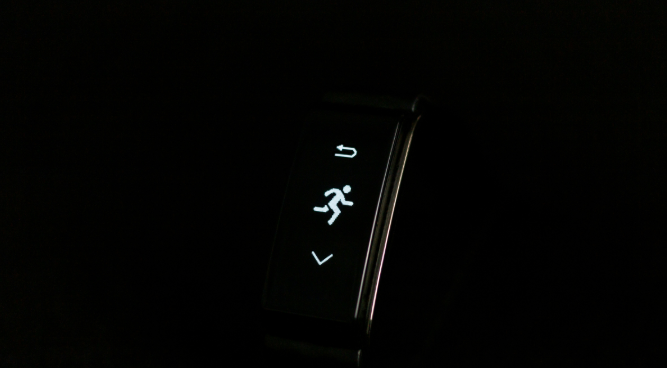
At the core of fitness tracking are various devices and applications designed to record a range of health metrics. Wearable devices such as fitness bands, smartwatches, and heart rate monitors offer real-time tracking of parameters like steps taken, calories burned, heart rate, and even sleep patterns. On the other hand, smartphone applications supplement this experience by allowing users to log workouts, track dietary intake, and access fitness plans tailored to their individual goals. These tools provide users with a sophisticated means to monitor their progress and make informed decisions about their health.
Fitness trackers not only encourage physical activity but also promote a deeper understanding of one’s health data. Users can analyze their performance over time, set achievable goals, and receive insights that help them stay motivated. As a result, fitness tracking has shifted from a mere trend to a foundational element of modern wellness initiatives, appealing to both casual gym-goers and dedicated athletes alike. This evolution has paved the way for a more engaged and informed population striving towards a healthier lifestyle.
Benefits of Fitness Tracking
Fitness tracking has emerged as a vital tool for individuals looking to optimize their health and fitness regimens. By monitoring various metrics, such as steps taken, calories burned, heart rate, and sleep patterns, fitness tracking offers multiple benefits that can enhance motivation and accountability. For starters, tracking daily steps provides immediate feedback on physical activity levels, encouraging individuals to meet or surpass their daily goals. This simple metric can serve as a motivating factor, fostering a commitment to maintaining an active lifestyle.
Similarly, monitoring calories burned allows users to understand how their energy expenditure relates to their dietary intake. This awareness can facilitate better nutritional choices, ultimately aiding in weight management or fitness goals. Furthermore, consistent monitoring enables individuals to identify trends in their activity over time, which can be especially helpful for recognizing patterns that either support or detract from achieving their fitness objectives.
An essential component of fitness tracking is the ability to monitor heart rates during workouts. This metric not only aids in ensuring that one remains within optimal training zones for improved performance but also assists in tracking recovery rates and overall cardiovascular health. Listening to one’s body through heart rate data promotes smart training decisions that could lead to enhanced performance outcomes.
Furthermore, sleep patterns play a critical role in recovery and overall wellness. Utilizing fitness trackers to monitor sleep quality and duration can provide insights into how sleep affects performance and daily energy levels. This knowledge empowers individuals to make informed adjustments to their routines, promoting a healthier lifestyle.
Overall, fitness tracking serves as a comprehensive tool that fosters accountability, motivation, and informed decision-making, contributing significantly to enhanced fitness outcomes for individuals at all levels.
Key Metrics to Monitor
Tracking key fitness metrics is essential for individuals seeking to optimize their health and performance. The following metrics are particularly important:
Physical Activity Levels: Monitoring daily physical activity is crucial. This can include steps taken, active minutes, and the intensity of workouts. Regular tracking allows individuals to assess whether they are meeting recommended activity levels, thereby fostering a more active lifestyle.
Heart Rate: Heart rate monitoring provides insight into cardiovascular health and exercise intensity. By keeping track of resting heart rate and heart rate during workouts, individuals can gauge their fitness level and ensure they are exercising within appropriate intensity zones which can enhance overall workout effectiveness.
Sleep Quality: Quality sleep is vital for recovery and overall health. Tracking sleep patterns, including duration, consistency, and quality, can help identify issues that may hinder recovery and performance. Good sleep plays a significant role in physical and mental well-being, thus making it an important metric in fitness tracking.
Body Composition: Understanding body composition, including fat mass and lean mass, provides a more accurate picture of fitness than weight alone. Tools such as bioelectrical impedance scales can assist individuals in monitoring changes in body composition over time, helping them align their nutrition and exercise regimens with their fitness goals.
Nutrition: Tracking dietary intake enables individuals to monitor macronutrient and micronutrient consumption. This metric can help in fueling workouts effectively and aligning eating habits with fitness objectives. By paying attention to nutritional factors, individuals can ensure that they are supporting their physical activity and recovery appropriately.
Each of these metrics contributes significantly to a comprehensive understanding of an individual’s fitness and health. By consistently monitoring these factors, one can unlock their true potential and make informed decisions regarding their fitness journey.
Performance Analytics: What is it?
Performance analytics is a systematic approach to evaluating and interpreting physical performance data over a period of time. It uses various metrics and analytics tools to transform raw data into insightful feedback that aids athletes and fitness enthusiasts in tracking their progress, understanding their capabilities, and identifying areas for improvement. By leveraging performance analytics, individuals are better equipped to make informed decisions regarding their training and performance strategies.
In the context of sports and fitness, this method of analysis has become increasingly significant as it empowers users to delve deeper into their personal performance metrics. For athletes, performance analytics can encompass a range of data points—including heart rate, speed, endurance, and recovery rates—which collectively create a comprehensive view of physical capabilities. This body of information can be critical for refining training regimens, allowing athletes to optimize their efforts in pursuit of peak performance.
Moreover, modern fitness trackers and smart devices often come integrated with performance analytics capabilities. These tools enable users to not only collect data but also analyze historical trends, thereby providing a longitudinal view of physical performance improvements. By examining these trends, athletes can gain valuable insights into how various training techniques impact their physical outcomes, thereby enhancing overall performance efficiency.
The significance of performance analytics extends beyond professional athletes; recreational fitness enthusiasts also benefit from this analytical framework. By embracing the insights provided through performance analytics, individuals can establish personalized fitness goals that are achievable and sustainable, significantly revolutionizing their fitness journey.
How to Use Fitness Data for Improvement
Harnessing fitness data effectively can serve as a cornerstone for optimizing your training regime and enhancing performance. First and foremost, the collected data can illuminate areas needing improvement. By analyzing metrics such as heart rate, distance, pace, and overall workout intensity, you can pinpoint specific aspects of your fitness where there may be deficiencies. For example, if your heart rate is consistently higher than desired during certain exercises, it may indicate that these activities are either too intense or beyond your current fitness level.
Setting realistic goals based on your fitness data is also crucial. Using the historical data, you can create measurable objectives that reflect your personal aspirations while staying grounded in your current capabilities. For instance, if your recent biking average shows you can maintain a certain speed for a specific duration, your next goal could involve gradually increasing that speed or extending your workout time. This method not only helps provide direction but also keeps motivation levels high as you achieve incremental targets.
Progress tracking is another critical element in this cyclical process of improvement. Frequent reflection on your performance data allows for timely adjustments in your training approach. Whether it is changing workout intensity, modifying exercise type, or incorporating rest days, being adaptive in response to your data ensures continuous progress. It is essential to recognize that fitness is not a linear journey; fluctuations are normal. By remaining flexible and responsive to your analytics, you ensure that your workout plans remain aligned with your evolving fitness journey.
Integrating Technology into Fitness Tracking
The advancement of technology has significantly reshaped the landscape of fitness tracking and performance analytics. With a variety of applications and devices available, individuals can now access tools that sync seamlessly with their health data. Smartphones, wearable devices like fitness trackers, smartwatches, and specialized apps have revolutionized how fitness enthusiasts monitor their performance, adhere to their wellness goals, and receive tailored feedback.
Fitness tracking technology provides individuals with an unprecedented opportunity to gather real-time data about their physical activities. By analyzing metrics such as heart rate, calories burned, distance traveled, and sleep patterns, users gain a comprehensive overview of their fitness levels. This data can be invaluable for setting personalized goals and tracking progress over time.
One of the foremost benefits of embracing technology in fitness tracking is the personalized feedback it offers. Many applications use algorithms that interpret user data to generate insights specifically tailored to an individual’s performance. For example, a fitness app may suggest optimal workout regimens or highlight areas needing improvement, allowing users to maximize their training effectiveness.
Furthermore, technology enables users to share their progress with trainers or coaches more easily. By granting access to app-generated performance analytics, individuals can collaborate more effectively with their fitness professionals, ensuring that their training plans are aligned with their health objectives. This ongoing communication fosters accountability and motivation, essential factors in achieving fitness aspirations.
Incorporating technological tools into fitness tracking can ultimately enhance engagement, provide actionable insights, and promote a more systematic approach to achieving one’s fitness goals. The integration of these devices and applications into daily routines reflects a meaningful stride toward embracing a healthier lifestyle.
Challenges in Fitness Tracking
Fitness tracking has become an essential part of modern health and wellness regimens. However, individuals encounter a variety of challenges that can impede the effectiveness of their fitness tracking efforts. One of the most significant challenges is data accuracy. Many fitness tracking devices and mobile applications rely on sensors that may not always provide precise measurements. Variations in heart rate readings, step counts, and calorie expenditures can lead to a misunderstanding of an individual’s actual performance and fitness levels. To overcome this hurdle, users are encouraged to regularly calibrate their devices and cross-reference data with more accurate methods when possible, such as clinical fitness assessments.
Another prominent challenge in fitness tracking is maintaining motivation. The excitement of starting a new fitness routine often diminishes over time, leading to inconsistency in tracking. This decline in motivation can make it difficult for individuals to achieve their health goals. To foster motivation, setting clear, attainable goals is crucial. Users should also consider engaging in tracking communities or partnering with friends to create accountability. Sharing progress and fostering a supportive environment can significantly enhance motivation to stay on track.
Lastly, consistency plays a key role in effective fitness tracking. Many individuals struggle to maintain a regular routine due to busy schedules, fatigue, or competing priorities. To combat inconsistency, establishing a dedicated time for workouts and tracking can help form a routine. Incorporating reminders or using apps that allow for easier logging of activities can also assist in building this regularity. By addressing these common challenges—data accuracy, motivation, and consistency—individuals can enhance the effectiveness of their fitness tracking efforts, enabling continuous improvement on their health journeys.
Case Studies: Success Stories in Fitness Tracking
Fitness tracking has transformed the way individuals manage their health and wellness journeys. By leveraging technology, many have harnessed the power of performance analytics to achieve remarkable results. One compelling case is that of Maria, a 35-year-old office worker who struggled with weight management. After purchasing a fitness tracker, she began logging her daily activities and caloric intake. The analytics provided by her device highlighted patterns in her behavior, enabling her to identify particular times when she was most likely to indulge in unhealthy snacks. By making small adjustments informed by the data, such as pre-packing healthy snacks, Maria saw a substantial decrease in her weight over a six-month period, shedding 20 pounds while improving her overall energy levels.
Another inspiring example is the group challenge undertaken by a local running club. Members utilized a collective fitness tracking app that not only monitored their individual distances and speeds but also allowed for comparisons and friendly competition among peers. This camaraderie and accountability prompted participants to push their limits. Over three months, many members significantly improved their 5K times, with one individual reducing their time by over seven minutes. The ability to visualize progress through performance analytics kept motivation high and fostered a supportive environment where everyone celebrated each other’s achievements.
Lastly, consider the journey of James, a retired athlete facing physical challenges due to age. Using a sophisticated fitness tracker, he engaged in a tailored rehabilitation program that tracked his mobility and exercise routines over time. Through the app’s insights, James was able to adapt his regimen to embrace strength-building exercises that kept him energized while minimizing the risk of injury. The data-driven approach allowed him to regain flexibility and strength, leading to a renewed interest in hiking that he previously thought was lost.
These accounts illustrate that fitness tracking and performance analytics are more than mere numbers—they are vital tools that enable individuals to unlock their potential and achieve their fitness goals.
Conclusion and Future of Fitness Tracking
As we have explored throughout this blog post, fitness tracking and performance analytics have transformed the way individuals monitor and enhance their health. The integration of wearable devices and mobile applications has equipped users with valuable insights into their activity levels, dietary habits, and overall well-being. By fostering a greater awareness of personal fitness metrics, individuals can make informed decisions, implement effective training regimens, and ultimately unlock their potential.
Looking forward, the future of fitness tracking appears both promising and dynamic. Emerging technologies, particularly artificial intelligence (AI) and machine learning, are poised to revolutionize the fitness landscape further. These advancements could lead to even smarter devices capable of providing personalized insights that adapt to an individual’s unique goals and preferences.
For instance, AI-driven fitness applications can analyze extensive amounts of data in real time, allowing for tailored feedback and recommendations. This level of customization not only increases user engagement but can also enhance motivation by providing relatable benchmarks and achievable targets. Moreover, predictive analytics could play a pivotal role in injury prevention by identifying risk factors based on users’ historical data.
Furthermore, the rise of community-driven fitness platforms can amplify social accountability and motivation. Users will be able to connect with others pursuing similar goals, providing support and encouragement throughout their fitness journeys. As these trends evolve, the integration of virtual reality (VR) and augmented reality (AR) into fitness programs may offer immersive experiences that keep users engaged and entertained while exercising.
In summary, the future of fitness tracking is set to redefine how individuals interact with their physical health, possibly making fitness routines more accessible and effective. As technology continues to advance, users will benefit from deeper insights and more effective tools, enabling them to achieve their fitness aspirations like never before.