
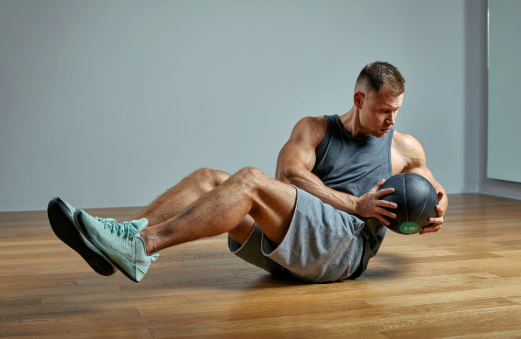


Introduction to Core Strength
Core strength refers to the ability of the muscles in the abdomen, lower back, hips, and pelvis to work together to stabilize the body. This fundamental aspect of physical fitness plays a crucial role in a variety of everyday activities and athletic endeavors. A strong core enables individuals to maintain proper posture, execute movements efficiently, and prevent injuries. In addition to enhancing physical performance, core strength is essential for stability and balance, which are vital for maintaining control during both dynamic and static activities.
In everyday life, core strength supports actions such as lifting heavy objects, sitting for extended periods, and standing still. Individuals with a robust core are less likely to experience back pain or other musculoskeletal disorders, highlighting its importance in overall health. Similarly, athletes benefit significantly from a strong core, as it provides a stable foundation for movements required in various sports—ranging from running and jumping to complex maneuvers in gymnastics and martial arts.
Enhancing core strength contributes not only to improved balance and stability but also promotes better movement patterns and coordination. A well-developed core allows for more efficient transfer of energy throughout the body, which is particularly beneficial for sports performance. As such, integrating core strengthening techniques into a regular fitness regimen can lead to greater functional strength and improved athletic output.
This blog post will explore various techniques for strengthening the core, delving into exercises and training methods that can effectively enhance this vital aspect of fitness. By focusing on building core strength, individuals can significantly improve their stability and balance, ultimately benefiting their overall physical performance.
Understanding the Core Muscles
The core muscles represent a complex group of muscles that serve as the foundation for stability and balance in the body. Primarily, they include the rectus abdominis, obliques, transverse abdominis, and erector spinae. Each of these muscle groups plays a critical role in maintaining posture, supporting the spine, and enabling efficient movement.
The rectus abdominis, often referred to as the “abs,” runs vertically along the front of the abdomen. This muscle is essential for flexing the spine, particularly during movements like crunches or sit-ups. Its well-known appearance contributes to aesthetic goals in fitness, but functionally, it significantly assists in maintaining an upright posture.
The obliques, comprising both internal and external varieties, are located on the sides of the abdomen. These muscles facilitate rotational movements and lateral flexion of the torso. They are particularly important in activities requiring twisting and bending, providing stability during various dynamic movements. Strengthening the obliques contributes to enhanced athletic performance, especially in sports that involve rapid changes in direction.
The transverse abdominis is a deeper abdominal muscle that plays a vital role in core stability. It wraps around the torso like a corset, stabilizing the spine and pelvis during movements. Activation of this muscle is critical for maintaining intra-abdominal pressure, which supports both back health and overall functional movement.
Finally, the erector spinae is a group of muscles that run along the vertebral column. These muscles are instrumental in extending the back and maintaining an upright posture, thus working in conjunction with the abdominal muscles to ensure balanced support for the spine.
In summary, the synergy between these core muscles enhances stability and balance, making them essential components of overall physical fitness. A strong core not only supports daily activities but also significantly reduces the risk of injury.
Benefits of a Strong Core
A strong core is foundational to overall physical health and well-being, providing a multitude of benefits that extend far beyond mere aesthetics. One of the primary advantages of core strengthening lies in its ability to enhance posture. When the core muscles are well-developed, they support the spine more effectively, leading to improved alignment and reduced strain on the back. This not only helps prevent slouching and the associated discomfort but also promotes a more confident appearance.
Additionally, a strong core significantly contributes to better balance. Core muscles are engaged in virtually every movement, providing stability and enabling the body to maintain equilibrium during various activities. This is especially important for athletes who rely on core stability for performance in sports such as gymnastics, dance, and martial arts. Research indicates that individuals with enhanced core strength exhibit improved control and agility, translating to better outcomes in their respective sports.
Furthermore, injury prevention is a crucial benefit of core strengthening. A robust core helps to stabilize the pelvis and spine, reducing the risk of injuries related to strain and overuse in both athletic and everyday activities. Experts suggest that a strong core can minimize the likelihood of lower back pain, one of the most common ailments affecting individuals of all ages.
Lastly, cultivating core strength can lead to increased efficiency in daily movements. Whether lifting groceries, sitting at a desk, or participating in recreational activities, a strong core enhances overall bodily function. This results in better performance in daily tasks, making them easier and less taxing on the body. Overall, the advantages provided by a strong core are substantial, impacting physical health, performance, and quality of life.
Basic Core Strengthening Techniques
Core strengthening is essential for enhancing overall stability and balance in various activities, from sports to daily tasks. For beginners looking to build a solid foundation, several fundamental exercises can effectively strengthen the core muscles. Here, we will explore three basic exercises: planks, bridges, and dead bugs, along with tips for ensuring proper form and technique.
Planks: The plank is a highly effective exercise that engages multiple core muscles, including the rectus abdominis, obliques, and transverse abdominis. To perform a standard plank, begin by lying face down on the floor. Then, lift your body off the ground using your forearms and toes, keeping your body in a straight line from head to heels. Ensure that your elbows are directly beneath your shoulders and maintain a neutral spine. Aim to hold the position for 20 to 30 seconds, gradually increasing the duration as strength improves. Remember to breathe steadily and avoid letting your hips sag.
Bridges: The bridge exercise focuses on the glutes and lower back, contributing to core stability. To execute a bridge, lie on your back with your knees bent and feet flat on the floor, hip-width apart. Press your heels into the ground while lifting your hips towards the ceiling, forming a straight line from your shoulders to your knees. Hold the position for a few seconds before lowering your hips back down. It is crucial to engage your core and avoid overarching your lower back during the movement. Start with 10 to 15 repetitions, ensuring quality over quantity.
Dead Bugs: The dead bug is an excellent exercise for improving coordination and core engagement. Begin by lying on your back with your arms extended toward the ceiling and your knees bent at a 90-degree angle above your hips. Slowly lower your right arm and left leg towards the ground, keeping your back flat against the floor. Return to the starting position and switch sides. Perform 8 to 12 repetitions on each side, ensuring that your movements are controlled to maintain core stability.
Advanced Core Strengthening Techniques
For individuals who have successfully established a solid foundation in core training, it is essential to progress to advanced core strengthening techniques that challenge both stability and balance. These exercises not only enhance the core but also engage multiple muscle groups and improve overall athletic performance. Among the various options available, exercises such as medicine ball throws, hanging leg raises, and stability ball workouts stand out for their effectiveness.
The medicine ball throw is a dynamic exercise that combines power and agility. To perform this exercise, assume a slightly squatted position while holding a medicine ball at your chest. Engage your core and explosively extend your arms to throw the ball against a wall or to a partner. Catch the ball on its rebound and repeat the motion. This drill develops core power and reinforces stability through rotational movements, which are essential in many sports.
Another challenging exercise is the hanging leg raise, which requires upper body strength and core engagement to maintain control. By hanging from a pull-up bar, you lift your legs towards your chest while keeping your torso stable. This movement emphasizes the lower abdominal muscles and strengthens the hip flexors. For those unable to perform full leg raises, modifications such as bending the knees can be employed to suit varying fitness levels.
Stability ball workouts add an element of instability that engages the core more intensely. Exercises like the stability ball pass, where you roll the ball from your feet to your hands while lying on your back, significantly challenge core strength and balance. As with all exercises, modifications can be made; beginners may choose to perform this movement with a smaller range of motion before gradually increasing difficulty.
Through the inclusion of advanced core strengthening techniques, individuals not only enhance their muscle strength but also improve their balance and stability, paving the way for better performance in athletic endeavors.
Incorporating Balance Training
Balance training is an essential component of any core strengthening regimen, as it enhances overall stability and improves functional movement patterns. By integrating balance exercises, individuals can effectively target their core muscles while simultaneously working on their equilibrium skills. This dual focus not only leads to better performance in various physical activities but also reduces the risk of injuries associated with movements that require coordination and balance.
One of the most effective exercises for balance training is the single-leg stand. This exercise can be performed by lifting one leg off the ground and balancing on the other foot. While standing on one leg, individuals should focus on maintaining stability and engaging their core muscles to support their posture. Gradually increasing the duration of the hold can further enhance balance and core strength. To intensify this exercise, individuals can close their eyes or perform head movements, which effectively challenges their stability even further.
Another valuable balance exercise involves using unstable surfaces, such as balance boards or stability balls. Performing various core exercises, like planks or squats, on these surfaces can significantly improve stability and balance. When the surface is unstable, the body works harder to maintain equilibrium, engaging the core muscles more intensely than on a stable surface. Incorporating these elements into a workout routine not only diversifies the training but also pushes the body to adapt to varying challenges.
Incorporating dynamic movements, such as lunges with a twist or kettlebell swings, further enhances core strength and balance. These exercises require participants to maintain stability while engaging their core muscles through movement, making them effective for real-world applications. By combining balance training with core strengthening, individuals can achieve greater overall body control and stability, providing a solid foundation for a range of physical activities.
Creating a Balanced Core Workout Routine
Designing a balanced core workout routine is essential for enhancing both stability and balance. A comprehensive approach should integrate core strengthening exercises alongside those that improve balance. This combination not only fortifies the core muscles but also enhances overall body control, reducing the risk of injuries during physical activities.
Setting realistic goals is the first step in establishing a core workout routine. Consider your current fitness level, any pre-existing conditions, and desired outcomes. For beginners, focusing on basic exercises, such as planks and bridges, can effectively lay the foundation. As strength and stability improve, gradually introduce more complex movements, such as single-leg balances or stability ball exercises, which engage multiple muscle groups and challenge coordination.
The frequency of core workouts is vital to achieving optimal results. Aim for at least two to three sessions per week, incorporating both strengthening and balance components. Sessions should be kept to a manageable length, ideally between twenty to thirty minutes, allowing for recovery between workouts. This frequency helps ensure consistent improvement without overtraining.
Progression is an integral part of any workout routine. After mastering initial exercises, look to incorporate variations that increase the level of difficulty or longer durations. For example, transitioning from a standard plank to a side plank can further engage the obliques and enhance stability. Additionally, consider employing equipment such as stability balls or resistance bands to add variety and greater resistance to your core workouts.
Incorporating these strategies will help create a balanced core workout routine that effectively strengthens the muscles while promoting stability and balance. Regular evaluation and adjustment of goals will keep the training engaging and beneficial over time.
Common Mistakes to Avoid
When embarking on a journey towards improving core strength, individuals must be aware of several common mistakes that can impede progress and potentially lead to injuries. One prevalent mistake is improper form while performing exercises. Many individuals sacrifice proper alignment and technique for the sake of completing a higher number of repetitions or lifting heavier weights. This approach can strain muscles and joints, negating the benefits of core strengthening workouts. It is crucial to prioritize form over quantity to ensure safety and effectiveness.
Another significant pitfall is neglecting flexibility training. While core strength is vital for stability and balance, flexibility plays an equally important role in maintaining a well-rounded fitness regimen. Many tend to overlook stretching routines that can enhance flexibility, leading to a higher risk of strains and injuries. Integrating regular stretching exercises can help to improve overall mobility and support the muscles involved in core stability.
Additionally, overtraining is a common mistake that many fitness enthusiasts face. While consistency is key to developing core strength, excessive training without adequate rest can lead to fatigue and decreased performance. Overtraining can also result in stress injuries, making it counterproductive to strength goals. It is essential for individuals to listen to their bodies, allowing time for recovery to ensure long-term success and performance improvement.
In conclusion, by avoiding these mistakes—improper form, neglecting flexibility, and overtraining—individuals can better achieve their core strength goals. Fostering awareness of these pitfalls will empower individuals to pursue effective training while minimizing the risk of injury, thus promoting stability and balance in their fitness journey.
Conclusion and Encouragement
In reflecting on the core strengthening techniques discussed, it is evident that a robust core is fundamental to achieving enhanced stability and balance. The core, comprising several muscle groups, plays a critical role in maintaining proper posture and supporting various physical activities. As we have noted, exercises such as planks, bridges, and rotational movements not only enhance muscular strength but also contribute significantly to overall functional stability.
To reap the full benefits of core strengthening, it is essential to integrate these exercises into a consistent fitness routine. Regular commitment to core training can lead to improved athletic performance and reduced risk of injuries, particularly in activities that require dynamic balance. It promotes stability throughout everyday movements, fortifying the body against common issues associated with weak core muscles.
As you embark on this journey towards building a stronger core, remember that progress may take time. Set realistic goals, and gradually increase the intensity and complexity of your exercises. Embrace the incremental changes, as they are essential for fostering lasting health benefits. By incorporating the outlined strengthening techniques into your weekly regimen, you will not only improve your core stability but also enhance your overall physical health.
In closing, consider the long-term positive impacts of core strengthening. Not only does it improve balance and coordination, but it also bolsters your body’s ability to function efficiently in daily tasks. We encourage you to prioritize core training as an integral part of your fitness routine and witness firsthand the transformative effects it can offer.