


Introduction to Caloric Deficit
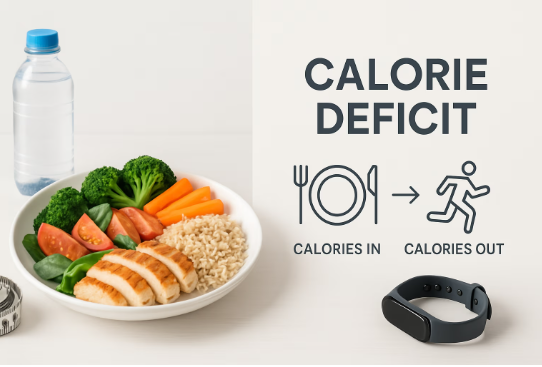
A caloric deficit occurs when an individual’s energy expenditure exceeds their caloric intake. This imbalance prompts the body to utilize stored energy, primarily derived from fat, to meet its energetic needs. Understanding caloric deficit is essential because it serves as the foundational principle for weight loss and fat loss strategies.
The relationship between caloric intake and expenditure is complex yet straightforward. Caloric intake refers to the total number of calories consumed through food and beverages, while caloric expenditure encompasses the calories burned through basic metabolic processes, physical activity, and thermogenesis. To create a caloric deficit, an individual must either decrease caloric intake, increase caloric expenditure, or ideally, implement both measures effectively over time.
When the body is in a state of caloric deficit, it triggers various physiological mechanisms to mobilize fat stores. Hormones play a significant role in this process, with insulin sensitivity improving and glucagon levels rising, stimulating fat breakdown. This results in a gradual reduction of body fat, promoting energy balance and enhanced metabolic function.
It is important to approach the concept of caloric deficit with careful consideration of nutrient quality and dietary balance. While it may be tempting to drastically reduce calorie intake to achieve quick results, such practices can lead to nutrient deficiencies and metabolic slowdown. Sustainable fat loss is typically achieved through moderate caloric deficits combined with a balanced diet rich in whole foods, including lean proteins, healthy fats, and complex carbohydrates.
Ultimately, the journey of fat loss through a caloric deficit is not solely about eating less; rather, it requires an awareness of one’s overall lifestyle, incorporating physical activity and mindful eating practices to foster long-term health and well-being.
The Science Behind Fat Storage and Release
In biological terms, fat storage and release encompass intricate processes driven by metabolic activities within the body. When an individual consumes more calories than their body requires for energy expenditure, the excess calories are converted into triglycerides, which are then stored in adipocytes, or fat cells. This process primarily occurs in adipose tissue, providing a vital reservoir for energy that can be mobilized during periods of caloric deficit.
The hormonal regulation of fat storage is significantly influenced by insulin, a hormone released by the pancreas in response to elevated blood glucose levels following meals. Insulin promotes the uptake of glucose into cells, facilitating energy production. However, it simultaneously stimulates lipogenesis, the conversion of glucose into fat. During states of energy surplus, insulin levels remain high, promoting fat accumulation. Conversely, low insulin levels signal the body to begin mobilizing fat reserves for energy during caloric restrictions.
Once the body enters a state of caloric deficit, hormonal shifts occur to facilitate the breakdown of stored fat. Glucagon, another hormone produced by the pancreas, rises in response to lower blood glucose levels and works in tandem with catecholamines, such as adrenaline, to encourage lipolysis—the process of breaking down triglycerides into free fatty acids. These free fatty acids can then be oxidized in various tissues, including muscle and liver, serving as an alternative energy source when carbohydrates are scarce.
Enzymes also play a critical role in these processes. Hormone-sensitive lipase (HSL) is essential for initiating fat breakdown, while other enzymes assist in the conversion of free fatty acids into a usable form of energy. Understanding these mechanisms can aid individuals seeking to optimize fat loss, as it becomes evident that effective fat management hinges on dietary habits, physical activity levels, and hormonal balance.
Factors Influencing Caloric Needs
Understanding the factors that influence an individual’s caloric needs is pivotal for anyone aiming to create an effective caloric deficit. The primary determinants include age, gender, weight, height, activity level, and metabolism. Each of these variables plays a significant role in estimating the total daily energy expenditure (TDEE), which is essential in defining how much food one should consume or restrict to achieve weight loss goals.
Age is a crucial factor, as metabolism tends to slow down with advancing years. Younger individuals generally require more calories due to higher basal metabolic rates (BMR), while older adults often need fewer calories to maintain their weight. Gender also contributes to differences in caloric needs; typically, men have a higher metabolic rate than women due to greater muscle mass, resulting in a higher caloric requirement.
Weight and height are directly related to caloric needs—taller and heavier individuals usually burn more calories. These factors influence someone’s daily caloric expenditure as they contribute to the overall energy requirements of the body. In conjunction, physical activity levels greatly affect how many calories one needs; individuals who are more active require greater caloric intake to sustain their energy levels than those who are sedentary.
Finally, metabolism plays a pivotal role in caloric needs. Some individuals have a naturally faster metabolism, allowing them to consume more calories without gaining weight, while others may find their caloric needs reduced due to genetic factors or hormonal imbalances. With all these components in mind, accurately determining one’s caloric needs enables better planning for establishing and maintaining a caloric deficit, which is essential for optimized fat loss.
Creating a Sustainable Caloric Deficit
A sustainable caloric deficit is essential for effective fat loss, allowing individuals to shed pounds while maintaining their overall well-being. To achieve this, implementing practical strategies is fundamental. One of the primary approaches involves making conscious dietary choices that align with weight loss goals.
One effective method is to focus on nutrient-dense foods that provide essential vitamins and minerals without excessive calories. Incorporating more fruits, vegetables, whole grains, and lean proteins can help maintain satiety while enabling a caloric deficit. Additionally, selecting low-calorie alternatives for certain food items, such as using yogurt instead of sour cream, can contribute to overall caloric reduction with minimal impact on flavor.
Portion control is another pivotal strategy. Being mindful of serving sizes can prevent overeating, which is often a significant barrier to achieving a caloric deficit. Utilizing smaller plates and measuring serving sizes can assist in regulating intake, allowing individuals to enjoy their meals without exceeding their caloric limits.
Meal planning is instrumental in fostering a sustainable caloric deficit. By preparing meals in advance, individuals can make healthier choices and avoid impulsive eating that may result from hunger or lack of preparation. Creating a weekly menu that includes balanced meals and snacks can help maintain discipline and provide structure to one’s eating habits.
Lastly, adjusting lifestyle factors to promote physical activity plays a crucial role in maintaining a caloric deficit. Engaging in regular exercise, whether through structured workouts or daily activities such as walking or cycling, can enhance overall energy expenditure. Integrating movement into daily routines, like taking stairs instead of the elevator, can also contribute positively to weight loss efforts.
By incorporating these strategies – focusing on nutrient-dense foods, practicing portion control, planning meals, and promoting physical activity – individuals can create a sustainable caloric deficit that supports their long-term fat loss goals effectively.
The Role of Macronutrients in Fat Loss
When it comes to optimizing fat loss, macronutrients play a crucial role. These include carbohydrates, proteins, and fats, each contributing to energy balance and metabolic health in different ways. A well-structured diet that considers the balance of these macronutrients can significantly enhance satiety and metabolic function, which are essential for sustaining a caloric deficit.
Carbohydrates are often seen as the primary source of energy for the body. They break down into glucose, which is used for immediate energy or stored for later use. However, the type of carbohydrates consumed can impact satiety. Complex carbohydrates, such as whole grains and legumes, typically provide more fiber, leading to prolonged feelings of fullness compared to simple carbohydrates. This can help in maintaining the caloric deficit necessary for fat loss.
Proteins, on the other hand, are pivotal for muscle integrity and repair. A higher protein intake has been associated with increased thermogenesis, the process of heat production in the body, which can enhance metabolic rate. Furthermore, protein is known to promote satiety more effectively than carbohydrates or fats, which can reduce overall calorie consumption. As a result, incorporating adequate protein in the fat loss diet can be beneficial for retaining muscle mass while losing fat.
Healthy fats should also not be overlooked. They are vital for hormone production and the absorption of fat-soluble vitamins. Dietary fats contribute to satiety, making meals feel more satisfying and helping curb unnecessary snacking. Choosing sources of healthy fats, such as avocados, nuts, and olive oil, can enhance the overall balance of the diet while still supporting fat loss.
In conclusion, understanding the role of macronutrients is integral to optimizing a fat loss regimen. The strategic combination of carbohydrates, proteins, and fats can support energy balance, enhance metabolic processes, and promote satiety, ultimately aiding in the successful maintenance of a caloric deficit.
Common Myths About Caloric Deficit and Fat Loss
The concept of caloric deficit is often obscured by various myths that can mislead individuals seeking to lose weight. One frequently encountered myth is that overly restrictive diets are the most effective way to achieve fat loss quickly. While it may seem logical that reducing caloric intake dramatically would yield rapid weight loss, the reality is that such restrictions can lead to nutritional deficiencies and may even hinder long-term success. When the body is deprived of essential nutrients, it may adapt by slowing down metabolism, making fat loss more challenging over time.
Another pervasive misconception is the idea of ‘starvation mode.’ This term suggests that when caloric intake drops below a certain level, the body goes into a protective mode that inhibits weight loss. While it is true that extreme caloric restriction can slow metabolic rate, this effect is not as drastic as often portrayed. Most people can safely reduce their calorie intake within reasonable limits without triggering such a response. Furthermore, factors such as protein intake and physical activity level play larger roles in maintaining metabolic rate during weight loss.
Additionally, the belief that all calories are equal is misleading. The source of calories can significantly affect how the body processes them and how filled or satisfied a person feels. For instance, 100 calories from a whole food source such as vegetables or a fruit will nourish the body differently than 100 calories from sugary snacks. Quality of calories matters, as it impacts both health and satiety, which can ultimately influence weight loss efforts.
Understanding these myths can help individuals make informed decisions about their caloric deficit strategies. By addressing and debunking these misconceptions, individuals can create sustainable and health-focused fat loss plans that are not solely based on calorie counting but also consider nutrition and overall well-being.
Psychological Aspects of Maintaining a Caloric Deficit
Maintaining a caloric deficit is not merely a matter of physical restraint; it also involves navigating various psychological challenges that can jeopardize one’s commitment to fat loss. Motivation is a critical factor in this journey. Individuals often start their weight loss efforts with high enthusiasm; however, sustaining such motivation can be difficult over time. Various techniques, such as setting achievable goals, tracking progress, and seeking social support, can help maintain motivation. Without these, it is easy to become discouraged and abandon a caloric deficit, leading to potential weight gain.
Another psychological challenge is emotional eating, which can significantly impact one’s ability to adhere to a caloric deficit. For many, food can be a source of comfort in response to stress, anxiety, or boredom. This unconscious behavior often leads to consuming excess calories, undermining fat loss efforts. To combat emotional eating, individuals are encouraged to develop alternative coping mechanisms, such as engaging in physical activity or pursuing hobbies that divert attention from food.
Furthermore, cultivating a positive mindset is essential for achieving long-term success in maintaining a caloric deficit. Negative thoughts and self-doubt can act as barriers, leading to a cycle of guilt and further emotional eating. Adopting a growth mindset, where challenges are viewed as opportunities to learn rather than obstacles, can significantly enhance resilience. Techniques such as mindfulness and cognitive-behavioral strategies can aid in reshaping negative thought patterns, allowing for a more constructive approach towards dieting.
Ultimately, understanding the psychological aspects of maintaining a caloric deficit is critical for successful fat loss management. By addressing motivation, managing emotional responses to food, and fostering a positive outlook, individuals can create a more sustainable approach towards their health goals.
Monitoring Progress and Adjusting the Plan
Tracking progress while maintaining a caloric deficit is essential to ensure that one remains on the path toward effective fat loss. Regular monitoring can provide valuable insights into the body’s response to dietary changes and exercise regimens. The primary methods of tracking progress include weight measurement, body measurements, and assessment of energy levels, all of which can help determine if adjustments are necessary.
Weight measurement can be performed weekly to analyze trends rather than focusing on daily fluctuations, as body weight can vary due to various factors such as hydration and glycogen stores. In addition to weight, measuring body circumference in areas such as the waist, hips, and thighs can provide a clearer picture of fat loss. These measurements often reflect changes in body composition more accurately than weight alone.
An important aspect of monitoring progress is to pay attention to how one feels during the caloric deficit. Energy levels can serve as an indicator of whether the caloric intake is suitable for the individual’s activity level. A noticeable decline in energy may signal that the caloric deficit is too aggressive or that nutrient quality requires adjustment.
If progress stalls after an initial period of success, it may indicate the need to adjust caloric intake or activity levels. When recalibrating the plan, a decrease in caloric intake might be necessary, typically in the range of 100-200 calories. Alternatively, increasing physical activity can help boost the caloric deficit and reignite progress. This can be achieved through finer adjustments in workout intensity or duration.
In conclusion, a systematic approach to monitoring and adjusting caloric intake and physical activity is crucial for optimizing fat loss. Utilizing both quantitative measurements and subjective feelings allows for a well-rounded evaluation of one’s progress within the caloric deficit framework.
Conclusion and Long-Term Fat Loss Strategies
In this blog post, we explored the mechanisms of caloric deficit and how it plays a crucial role in the process of fat loss. By creating a consistent caloric deficit, individuals can effectively reduce body fat over time. However, the journey does not end with achieving a desired body composition. It is essential to establish sustainable habits that contribute to long-term fat loss and overall health.
One significant takeaway is that quick results are often not sustainable. Instead, adopting a balanced lifestyle is paramount. This includes focusing on nutrient-dense foods that not only satisfy caloric needs but also support overall wellness. Incorporating various food groups—such as vegetables, lean proteins, whole grains, and healthy fats—can help ensure that the body receives the vital nutrients it requires while remaining within a caloric deficit.
In addition, regular physical activity is a vital component of any long-term fat loss strategy. Engaging in both aerobic exercises and strength training not only aids in burning calories but also promotes muscle preservation, which is crucial during weight loss. The combination of diet and exercise helps maintain metabolic health and prevents plateaus that may occur over time.
Finally, it is important to approach fat loss with a mindset geared toward gradual progress rather than immediate results. This involves setting realistic goals, tracking progress, and adjusting strategies as needed. Practicing mindfulness and developing a healthy relationship with food can further enhance the journey toward maintaining fat loss. By employing these long-term strategies, individuals can enjoy sustainable results that enhance their quality of life while supporting their overall health and wellbeing.