

.)
Understanding Anxiety: The Basics
Anxiety is a natural emotional response characterized by feelings of tension, worried thoughts, and physical changes such as increased blood pressure. It serves a fundamental role in our survival, alerting us to potential dangers and prompting necessary actions. However, when anxiety becomes excessive or chronic, it can hinder daily functioning, leading to significant distress.
Common symptoms of anxiety include persistent worry, restlessness, fatigue, difficulty concentrating, and irritability. Physical manifestations may present as a racing heart, sweating, muscle tension, and gastrointestinal issues. While everyone experiences anxiety at different stages of life, particularly during stressful situations, distinguishing between normal anxiety and anxiety disorders is crucial.
Normal anxiety is typically transient and proportional to the situation, such as feeling nervous before an exam or job interview. In contrast, anxiety disorders involve excessive, persistent fear or worry that interferes with daily life. Disorders such as generalized anxiety disorder (GAD), panic disorder, and social anxiety disorder fall into this category and affect millions worldwide.
Statistically, anxiety disorders are among the most common mental health conditions. Studies suggest that around 31% of adults in the United States experience an anxiety disorder at some point in their lives. The prevalence of these conditions in society highlights the need for effective understanding and intervention strategies. With the increasing recognition of anxiety disorders, awareness and education can pave the way for those affected to seek help and adopt coping mechanisms.
Introduction to Cognitive Behavioral Therapy (CBT)
Cognitive Behavioral Therapy (CBT) is a widely recognized form of psychotherapy that has proven effective in treating a variety of mental health disorders, particularly anxiety. The foundation of CBT lies in its core principle that thoughts, feelings, and behaviors are interconnected, and thus modifying negative thought patterns can significantly alleviate anxiety symptoms. This therapeutic approach posits that irrational or distorted thoughts lead to negative emotional states and maladaptive behaviors.
CBT focuses on identifying and challenging these unhelpful thoughts, providing individuals with practical skills to reshape their thought processes. By fostering a more realistic and positive outlook on oneself and the world, individuals can learn to manage their anxiety more effectively. CBT is structured and goal-oriented, usually involving a limited number of sessions, making it accessible and suitable for those who may feel overwhelmed by traditional therapy formats.
One of the key techniques employed in CBT is cognitive restructuring, which involves the process of identifying automatic negative thoughts and replacing them with more balanced and constructive alternatives. This shift in thinking can lead to a healthier emotional response and more adaptive behaviors. Additionally, CBT often incorporates exposure exercises that gradually confront sources of anxiety, enabling individuals to develop coping strategies and resilience.
Thus, CBT stands out as a robust approach for anxiety reduction, offering individuals tools to break the cycle of negative thinking and to approach challenging situations with a newfound sense of control and confidence. This focus on actionable change empowers individuals to foster long-term mental wellness.
The Role of Cognitive Restructuring in Anxiety Reduction
Cognitive restructuring is a fundamental aspect of Cognitive Behavioral Therapy (CBT) that aims to assist individuals in identifying and modifying irrational beliefs and cognitive distortions contributing to anxiety. This therapeutic technique encourages patients to question their negative thought patterns and replace them with healthier, more balanced perspectives. By doing so, cognitive restructuring facilitates a reduction in anxiety levels and fosters emotional well-being.
One of the initial steps in cognitive restructuring is self-awareness. Individuals are encouraged to acknowledge their thoughts and feelings when faced with anxiety-provoking situations. This awareness often reveals patterns of thinking that may be exaggerated or unfounded. For instance, an individual may perceive a minor criticism at work as a disaster, assuming it will lead to widespread failure. Through cognitive restructuring, this thought can be evaluated critically, allowing the person to recognize that it is an overreaction.
Once irrational beliefs are identified, the next step involves challenging these thoughts. Therapists guide individuals in questioning the validity of their fears and assumptions. This may involve asking key questions: “What evidence do I have that supports this thought?” or “How likely is this outcome to actually happen?” Subsequently, individuals are encouraged to generate more realistic and constructive alternatives to their negative thoughts. By reframing their perspectives, they can mitigate their anxiety responses and approach situations with renewed confidence.
Furthermore, cognitive restructuring works towards promoting emotional resilience. By repeatedly engaging in this process, individuals learn to manage their thoughts effectively, fostering a healthier mindset. In essence, cognitive restructuring not only aids in immediate anxiety reduction but also equips individuals with long-term tools to navigate future challenges. Thus, it plays a crucial role in the broader context of anxiety management strategies within CBT.
Behavioral Strategies for Managing Anxiety
Behavioral strategies play a vital role in cognitive behavioral therapy (CBT) for managing anxiety. These techniques engage individuals in practical steps that empower them to confront their fears and facilitate gradual anxiety reduction. One of the most prominent methods is exposure therapy, which involves systematically exposing individuals to the feared objects or situations in a controlled and safe environment. This approach allows individuals to confront their anxieties in a gradual manner, helping them learn that their feared outcomes may not be as threatening as once believed. Over time, repeated exposure leads to desensitization, which ultimately helps reduce the intensity of the anxiety response.
Additionally, relaxation techniques are essential components of behavioral strategies for anxiety management. These techniques, which may include deep breathing exercises, progressive muscle relaxation, and guided imagery, are designed to promote physiological calmness. By engaging in these methods, individuals can effectively lower their stress levels and reduce anxiety symptoms. When practiced regularly, relaxation techniques can become a useful tool to manage anxiety on a day-to-day basis.
Another important behavioral strategy is activity scheduling, which helps individuals structure their day with planned activities that promote engagement and a sense of accomplishment. This technique is especially beneficial for those experiencing avoidance behaviors related to anxiety. By scheduling enjoyable and fulfilling activities, individuals can distract themselves from their worries while simultaneously enhancing their mood. Activity scheduling supports the development of positive habits that counteract anxiety, making it easier for individuals to manage their symptoms.
In summary, behavioral strategies such as exposure therapy, relaxation techniques, and activity scheduling are instrumental in managing anxiety within the framework of cognitive behavioral therapy. These techniques enable individuals to confront their fears, practice relaxation, and cultivate positive engagements, thereby fostering an overall reduction in anxiety levels.
Mindfulness and Acceptance in CBT
Cognitive Behavioral Therapy (CBT) has long been recognized as an effective approach for managing anxiety disorders. However, recent developments in CBT have integrated mindfulness and acceptance strategies to enhance therapeutic outcomes. Mindfulness, characterized by a focus on the present moment and awareness of one’s internal states, helps individuals detach from negative thought patterns that contribute to anxiety. By fostering a non-judgmental stance towards one’s thoughts and feelings, mindfulness encourages a more compassionate response to internal experiences.
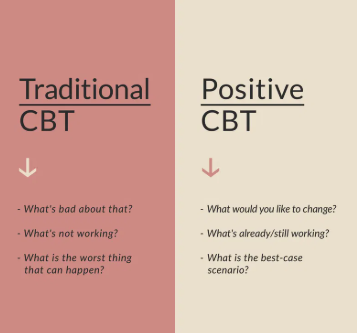
Acceptance, a key component of this integration, entails recognizing thoughts and feelings without attempting to change or suppress them. This principle contrasts with traditional CBT techniques that often focus on challenging and altering negative beliefs. Instead, acceptance allows individuals to coexist with uncomfortable emotions, thereby reducing the power these feelings have over them. For those struggling with anxiety, learning to accept rather than fight against distressing thoughts can significantly alleviate their overall burden.
When mindfulness and acceptance are combined with traditional CBT techniques, clients can experience a more profound transformation in their approach to anxiety. For instance, during therapy, individuals may engage in mindfulness exercises that involve observing their anxious thoughts as if they are outside observers. This practice not only cultivates awareness but also diminishes the sense of urgency associated with anxiety. As a result, clients can develop a toolkit of coping strategies that empower them to manage their emotions in a healthier manner.
Incorporating mindfulness and acceptance within CBT frameworks encourages individuals to embrace their experiences fully. This holistic approach not only fosters better emotional regulation but also paves the way for a more resilient mindset when faced with anxiety-provoking situations. By accepting and being present with their thoughts, individuals can reduce the impact of anxiety on their daily lives, ultimately leading to improved mental well-being.
Developing Coping Skills and Resilience
Cognitive Behavioral Therapy (CBT) plays a crucial role in equipping individuals with coping skills that are instrumental in managing anxiety. Through structured techniques, CBT helps patients identify, challenge, and alter cognitive distortions that exacerbate feelings of anxiety. This process not only assists in recognizing negative thought patterns but also facilitates the development of more constructive responses to anxiety-provoking situations.
One fundamental coping skill emphasized in CBT is the technique of cognitive restructuring. This involves reframing negative thoughts into more positive, realistic ones, enabling individuals to approach stressful situations with a balanced perspective. For example, instead of thinking “I will fail at this task,” individuals are encouraged to replace it with “I will do my best, and that is enough.” Such shifts in thinking can significantly reduce anxiety levels and build confidence.
Another effective strategy in developing coping skills is exposure therapy, which involves gradual and controlled exposure to anxiety-inducing stimuli. By facing fears in a safe environment, individuals can decrease their sensitivity to anxiety triggers over time. This process reinforces resilience, as individuals learn that they can endure discomfort and successfully navigate challenging situations.
Furthermore, mindfulness practices integrated within CBT, such as deep breathing and grounding techniques, help individuals maintain a present-focused awareness during high-anxiety moments. These skills foster a sense of calm and improve emotional regulation, making it easier to confront anxiety with clarity and composure.
Ultimately, the integration of these coping strategies not only aids in the immediate management of anxiety but also cultivates long-term resilience. Individuals equipped with effective coping skills can respond to future anxiety-provoking situations with greater ease, leading to an enhanced quality of life and a more resilient mindset.
The Role of Homework Assignments in CBT
Cognitive Behavioral Therapy (CBT) is a structured, goal-oriented therapeutic approach that emphasizes the importance of real-life application of learned skills. In the context of managing anxiety, homework assignments serve an integral role in the effectiveness of this treatment model. These assignments are designed to reinforce the techniques acquired during therapy sessions and allow clients to practice them in their daily lives, which fosters a deeper understanding and internalization of the methods discussed in therapy.
Through homework assignments, practitioners encourage clients to engage actively with their thought patterns and behaviors outside the therapeutic environment. For instance, a client may be assigned to keep a daily journal to track anxious thoughts and analyze their triggers and responses. This exercise not only promotes self-awareness but also empowers the client to identify unhealthy thought patterns and replace them with healthier, more constructive ones. By reflecting on these experiences, clients are more likely to consolidate their learning, thereby enhancing the overall effectiveness of CBT.
Moreover, homework assignments foster accountability. Clients are not merely passive recipients of advice; instead, they are active participants in their healing process. This empowerment is essential in anxiety treatment, as clients learn to navigate their concerns effectively. Assignments may also involve exposure tasks, where clients gradually face situations that provoke anxiety, thereby allowing them to practice coping strategies in a controlled manner. This gradual exposure can diminish avoidance behaviors significantly, leading to a more profound reduction in anxiety levels.
In summary, the strategic use of homework assignments in CBT not only reinforces the techniques learned in sessions but also encourages clients to apply these strategies in their lives, ultimately leading to improved outcomes in anxiety management.
Evaluating the Effectiveness of CBT for Anxiety
Cognitive Behavioral Therapy (CBT) has emerged as a prominent approach for managing anxiety disorders, backed by a substantial body of research highlighting its effectiveness. Multiple studies indicate that CBT can significantly reduce symptoms of anxiety, offering patients practical strategies to address their distressing thoughts and behaviors. Meta-analyses have shown that participants receiving CBT exhibit large effect sizes, indicating marked improvements in anxiety levels compared to those not receiving this form of therapy.
Evidence suggests that CBT is particularly effective for specific anxiety disorders, such as generalized anxiety disorder, social anxiety disorder, and panic disorder. Patients who engage in CBT demonstrate a notable decrease in anxiety symptoms, alongside improvements in overall functioning and quality of life. Furthermore, the skills learned in therapy can foster long-term self-management of anxiety, empowering individuals to navigate future challenges effectively.
However, it is essential to consider potential limitations of CBT. While the therapy has demonstrated strong efficacy, its effectiveness may vary among individuals based on factors such as treatment adherence, the severity of anxiety, and the presence of co-occurring disorders. Additionally, some patients may require longer or more intensive treatment protocols, or may benefit from integrating CBT with pharmacotherapy, particularly in cases of severe anxiety disorders.
When comparing CBT to other treatment modalities, such as medication or alternative psychotherapies, CBT often stands out due to its structured, time-limited approach and emphasis on skill acquisition. Although medication can provide rapid symptomatic relief, CBT addresses core beliefs and behavioral patterns, ultimately aiming for sustainable change. As research continues to evolve, understanding the comparative effectiveness of these treatments will be essential for optimizing anxiety disorder management.
Conclusion: The Importance of Personalization in Anxiety Treatment
Throughout this discussion on cognitive behavioral approaches to anxiety reduction, it has become evident that a one-size-fits-all strategy is often inadequate in addressing the unique challenges faced by individuals experiencing anxiety. Various techniques within cognitive behavioral therapy (CBT), such as cognitive restructuring, exposure therapy, and behavioral activation, have shown considerable efficacy. However, the effectiveness of these methods largely depends on their adaptation to the individual’s specific circumstances and needs.
Emotionally and psychologically, anxiety manifests in diverse forms; thus, the personalization of treatment is crucial for fostering effective coping mechanisms. Tailoring cognitive behavioral strategies can include assessing personal triggers, past experiences, and existing support systems, which all contribute to a more comprehensive understanding of the individual’s anxiety. By customizing the therapeutic approach, practitioners can enhance engagement and foster positive outcomes in reducing anxiety symptoms.
Moreover, while self-help techniques can provide considerable relief, they may not always address deeper underlying issues. Therefore, it is essential for individuals struggling with anxiety to recognize the value of seeking professional assistance. Licensed mental health professionals can evaluate unique situations and apply evidence-based practices to create a suitable treatment plan that accommodates individual needs while ensuring appropriate support throughout the journey of anxiety management.
In conclusion, the journey of managing anxiety through cognitive behavioral approaches emphasizes the importance of personalizing strategies to fit individual requirements. By acknowledging that each person’s experience with anxiety is distinct, we can underscore the significance of tailored interventions. Individuals are encouraged to seek professional guidance to embark on a path toward effective anxiety reduction.