
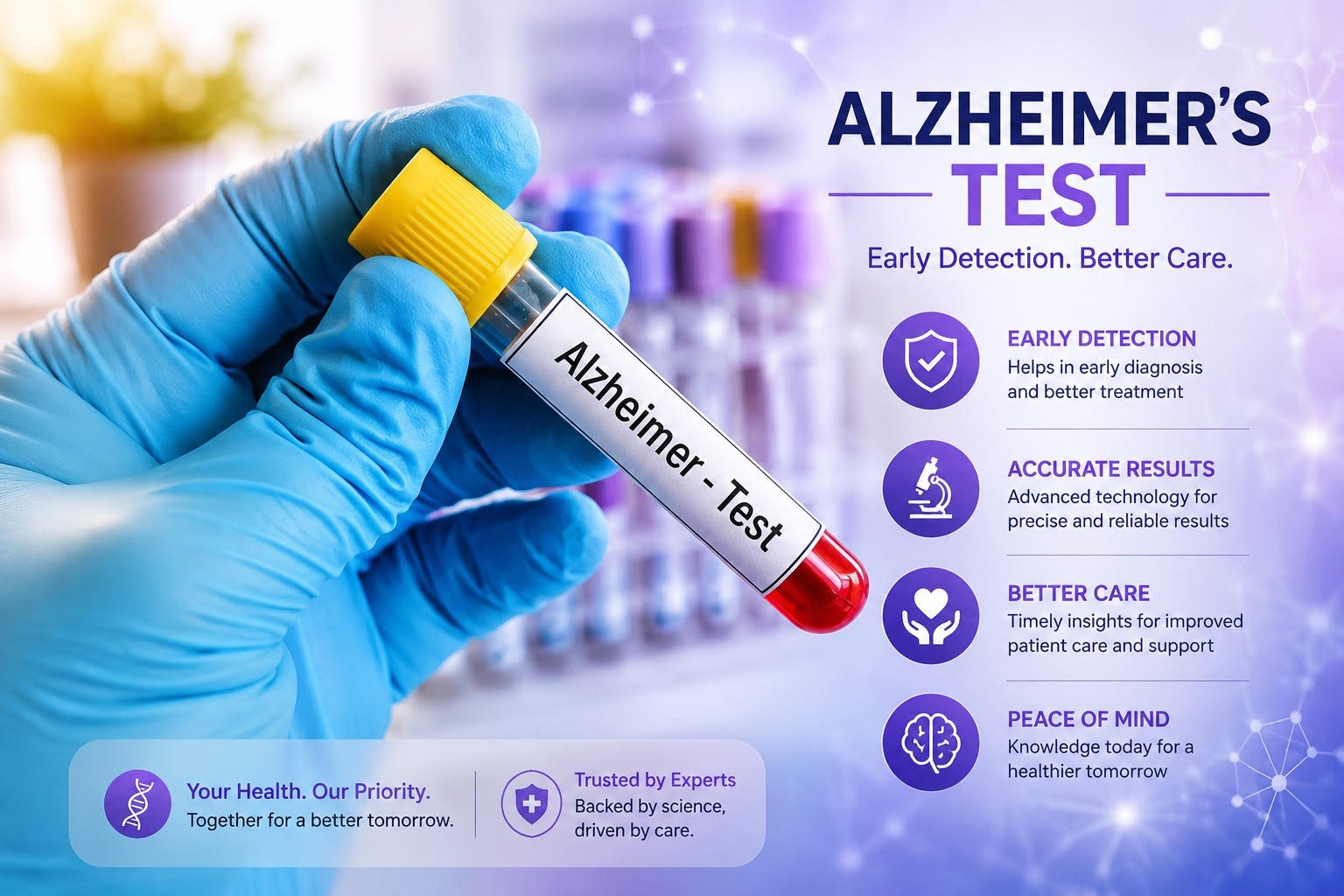


Understanding Early Alzheimer’s Risk Blood Tests
Recognizing Subtle Cognitive Changes
It’s easy to brush off little memory slips or moments of confusion as just getting older or being stressed. Maybe you’re forgetting names more often, or sometimes you walk into a room and can’t remember why you went there. These kinds of things can happen to anyone. But when they start happening more frequently, or you notice a pattern that feels different from your usual self, it might be worth paying closer attention. These subtle shifts are often the very first signs that something is changing in the brain, long before more obvious symptoms show up. Paying attention to these early whispers can make a big difference.
The Science Behind Alzheimer’s Biomarker Insight
So, how can a simple blood test actually give us insight into something as complex as Alzheimer’s disease? It all comes down to biomarkers. Think of biomarkers as tiny signals in your blood that can tell us about what’s happening inside your brain. For Alzheimer’s, a key biomarker being studied is a protein called p-Tau217. When there are changes in the brain related to Alzheimer’s, levels of p-Tau217 in the blood can change too. This blood test for Alzheimer’s disease, specifically looking at p-Tau217, is a way to get a clearer picture of these potential changes without needing more involved procedures.
Why Early Insight Matters for Brain Health
Knowing about potential changes earlier, even before significant symptoms appear, really matters. It’s not about causing worry, but about opening doors. Early insight means you and your doctor can:
- Start conversations about your brain health sooner.
- Explore lifestyle changes that might support cognitive function.
- Plan for the future with more information.
- Consider further diagnostic steps if needed.
This proactive approach can help you and your loved ones feel more prepared and in control of your health journey.
The idea behind these tests is to provide information that can help guide conversations and decisions with healthcare providers. It’s about getting a clearer picture earlier on, which can lead to more informed planning and care.
When an Alzheimer’s Risk Blood Test Makes Sense
So, when is the right time to consider one of these new blood tests for Alzheimer’s risk? It’s not really for everyone, but there are definitely situations where it can be super helpful. Think of it as another tool in the toolbox for understanding what’s going on with your brain health.
For Adults Seeking Answers About Cognitive Concerns
If you’ve been noticing little things – maybe you’re forgetting names more often, misplacing things more frequently, or finding it harder to focus – and it’s starting to worry you, a blood test might offer some clarity. It’s not about getting a definitive diagnosis from the test itself, but rather getting an early signal. This early insight can help you and your doctor figure out the next steps. Maybe it means more in-depth conversations about your symptoms, or perhaps it points towards other potential causes for your concerns that aren’t Alzheimer’s related. Knowing earlier can help you and your healthcare provider plan with more confidence.
Supporting Families and Caregivers
When someone in the family is experiencing cognitive changes, it affects everyone. For family members and caregivers, having more concrete information can be a huge relief. It can help make those difficult conversations about memory and future care a bit easier to have. Instead of just worrying and guessing, you have data from the blood test to guide discussions. This can lead to better care planning and help everyone feel more prepared for what might come next. It’s about getting clearer information to support the whole family.
When Clinical Presentation Suggests Alzheimer’s Disease
Sometimes, a doctor might suspect Alzheimer’s disease based on a person’s symptoms and medical history. In these cases, a blood test looking for specific biomarkers, like p-Tau217, can be a valuable addition to the evaluation. It’s not a replacement for a doctor’s assessment, but it can provide supporting evidence. This biomarker insight can help confirm or refine the clinical suspicion, potentially leading to a more accurate understanding of the situation sooner rather than later. It’s about using all the available information to get the clearest picture possible.
How an Alzheimer’s Risk Blood Test Works
So, how does this whole ALZ Blood Test thing actually work? It’s not some sci-fi movie magic, thankfully. It boils down to looking for specific things in your blood that can give us clues about what’s happening in the brain. Think of it like a detective looking for fingerprints at a crime scene.
The p-Tau217 Biomarker Explained
The main player here is a protein called p-Tau217. When Alzheimer’s disease starts to develop in the brain, this protein can show up in the blood. Measuring the amount of p-Tau217 in your blood can help give an idea about the changes happening in the brain related to Alzheimer’s. It’s not a direct look at the brain itself, but it’s a really good indicator that scientists have found. It’s like getting a weather report that tells you if a storm is brewing, even if you can’t see the storm clouds directly from your house.
The Simple Blood Draw Process
This is the part that makes it accessible. Forget about complicated procedures. It’s just a standard blood draw, like you’d get for a regular check-up. You go to a clinic, or sometimes they even offer at-home kits. A nurse or phlebotomist takes a small amount of blood, usually from your arm. There’s typically no need to fast or do anything special beforehand, which is a relief for most people. The sample is then sent off to a lab for analysis.
Understanding Test Results and Next Steps
After the lab does its work, you’ll get your results. These aren’t usually a simple ‘yes’ or ‘no’ for Alzheimer’s. Instead, they often fall into categories like ‘lower likelihood’ or ‘elevated indicator.’
- Lower Likelihood: This suggests that the biomarkers associated with Alzheimer’s pathology are not significantly elevated. It’s generally good news, but maintaining a healthy lifestyle is always recommended.
- Elevated Indicator: This means the p-Tau217 levels are higher than expected. This doesn’t mean you have Alzheimer’s disease, but it does suggest that further discussion and evaluation with your doctor are a good idea. It’s a signal to look closer.
- Intermediate: Some tests might have an intermediate category, meaning the results are not clearly low or high, and further assessment might be beneficial.
It’s really important to remember that this test is a tool to help your doctor. It provides information, but it’s the clinician who puts all the pieces together – your symptoms, your medical history, and these blood test results – to figure out the best path forward. They’ll talk with you about what the results mean specifically for you and what, if any, next steps are recommended, like more specific tests or lifestyle adjustments.
Navigating Your Alzheimer’s Risk Blood Test Results
So, you’ve had the blood test done, and now you’re waiting for the results. It’s completely normal to feel a mix of anticipation and maybe a little bit of worry. What do these numbers actually mean for you and your family? Let’s break it down.
Interpreting a Negative Result
Getting a negative result is generally good news. It means the biomarkers the test looks for, which are linked to Alzheimer’s-related changes in the brain, are not elevated. This doesn’t mean you’re completely in the clear forever, but it does suggest a lower likelihood of Alzheimer’s pathology being present right now. Think of it as a green light to keep doing what you’re doing with healthy habits. It’s still a good idea to keep up with regular check-ups and discuss any future concerns with your doctor. This result can offer peace of mind, allowing you to focus on maintaining your overall well-being.
Understanding an Elevated Indicator
If your test shows an elevated indicator, it’s important to remember that this does not mean you have Alzheimer’s disease. It simply means that certain biomarkers associated with Alzheimer’s pathology are higher than what’s typically seen in people without these changes. It’s like a flag that suggests more investigation might be helpful. Your doctor will look at this result alongside your symptoms, medical history, and other factors. It’s a piece of the puzzle, not the whole picture.
Here’s a general idea of what different result categories might suggest:
- Negative: Lower likelihood of Alzheimer’s pathology. Continue healthy habits and discuss future check-ins with your doctor.
- Intermediate: This result might mean more evaluation is needed. Your doctor will consider this along with your personal health information.
- Positive: Consistent with Alzheimer’s pathology. This result requires discussion with your healthcare provider for further steps.
The Role of Clinician Interpretation
This is perhaps the most critical part of understanding your results. The blood test is a tool, and like any tool, it’s most effective when used by someone skilled. Your doctor or a qualified healthcare provider is essential here. They have the medical knowledge to put the test results into context with everything else they know about your health.
The information from a blood test for Alzheimer’s risk is meant to be a guide. It’s not a final answer on its own. A healthcare professional will combine this with your personal health story, any symptoms you’re experiencing, and possibly other tests to figure out the best path forward for you. Relying solely on the test result without this expert interpretation could lead to confusion or unnecessary worry.
Your clinician will discuss:
- What the specific result means for you personally.
- Whether additional tests, like imaging or cognitive assessments, are recommended.
- Potential lifestyle adjustments or other strategies to support your brain health.
- How to plan for the future based on this new information.
Integrating Alzheimer’s Risk Blood Tests into Care
For Healthcare Providers: Clinical Workflow Integration
Bringing an Alzheimer’s risk blood test into your practice isn’t as complicated as it might seem. These tests, like those measuring p-Tau217, are designed to fit into what you’re already doing. Think of it as adding another tool to your diagnostic toolbox. The goal is to make it easier to get a clearer picture of what might be going on with a patient’s brain health, especially when they come in with concerns about memory or thinking.
Here’s a general idea of how it can work:
- Patient Presentation: A patient comes in with subjective cognitive concerns, or perhaps a family member has noticed changes.
- Clinical Assessment: You conduct your standard evaluation, including medical history, cognitive assessments, and physical exams.
- Biomarker Testing Consideration: Based on the clinical picture, you might decide a blood test for biomarkers like p-Tau217 could provide additional insight.
- Ordering the Test: The process usually involves a simple order through a provider portal. No special patient prep like fasting is typically needed.
- Sample Collection: A standard blood draw is performed, either in your office or at a designated lab.
- Result Review: You receive the results, which are designed to be interpreted alongside all the other clinical information you have.
The key is that these tests are meant to support your clinical judgment, not replace it. They offer another layer of information to help guide conversations and next steps with your patients.
Empowering Informed Decisions with Early Insight
When healthcare providers can offer earlier insight, it really changes the game for patients and their families. Instead of waiting for symptoms to become more pronounced, which can sometimes be years down the line, a blood test can offer a signal much sooner. This early knowledge is powerful. It allows individuals to make proactive decisions about their health, their finances, and their future care plans.
For families, this insight can mean:
- Better Communication: Having objective data can help open up difficult conversations about memory changes and future needs.
- Timely Planning: It allows for adjustments in lifestyle, caregiving arrangements, and financial planning well before a crisis might occur.
- Reduced Uncertainty: While not a diagnosis, a clearer understanding of potential underlying factors can alleviate anxiety and provide a sense of direction.
This proactive approach shifts the focus from reacting to problems to actively managing well-being.
Accessibility of Blood-Based Biomarker Testing
One of the biggest hurdles in Alzheimer’s research and care has been the accessibility of diagnostic tools. Historically, getting a clear picture often involved more complex or invasive procedures, like spinal taps or PET scans, which aren’t always readily available or preferred by patients. Blood tests change this landscape significantly.
- Simplicity: A simple blood draw is far less daunting for most people than other diagnostic methods.
- Wider Reach: This increased accessibility means more individuals, especially those in primary care settings, can benefit from early biomarker screening.
- Cost-Effectiveness: Generally, blood tests are more cost-effective than imaging techniques, making them a more viable option for a broader population.
This move towards more accessible testing is a big step forward in making brain health evaluations a more routine part of healthcare, helping more people get the information they need, when they need it.
The Value of Proactive Brain Health
Thinking about your brain health ahead of time really matters. It’s not just about waiting until something feels wrong to pay attention. Knowing earlier opens up more options for how you can approach your well-being. It’s like getting a heads-up on a road trip; you can adjust your route, pack accordingly, and avoid potential detours.
Taking Control of Cognitive Health
When you understand your current cognitive state, you’re in a better position to make choices that support your brain. This proactive approach means you’re not just reacting to changes but actively working to maintain your cognitive function. It’s about being an active participant in your own health journey. Early insight, whether from a blood test or other assessments, gives you a starting point.
Lifestyle and Brain Health Strategies
What you do day-to-day has a big impact on your brain. Things like getting enough sleep, eating well, staying physically active, and keeping your mind engaged can all make a difference.
- Sleep: Aim for 7-9 hours of quality sleep each night. It’s when your brain cleans itself out.
- Nutrition: A balanced diet rich in fruits, vegetables, and healthy fats supports brain function.
- Exercise: Regular physical activity increases blood flow to the brain.
- Mental Stimulation: Learning new things, puzzles, or engaging hobbies keeps your brain sharp.
Planning for the Future with Early Knowledge
Having early information about your brain health can help you and your loved ones plan for the future. This isn’t about predicting the future with certainty, but about being prepared. It allows for conversations about care preferences, financial planning, and support systems well before they might be urgently needed.
Early awareness provides a foundation for informed discussions and decisions, helping to reduce uncertainty and anxiety for both individuals and their families. It shifts the focus from reactive problem-solving to proactive well-being and preparedness.
This foresight can lead to greater peace of mind and a more confident approach to navigating life’s changes.
Frequently Asked Questions
What is this blood test for Alzheimer’s?
This blood test looks for special markers, called biomarkers, in your blood that can give clues about changes happening in your brain related to Alzheimer’s disease. It’s like an early warning system that can help you and your doctor understand what might be going on.
Does this test tell me if I have Alzheimer’s?
No, this test doesn’t give a final diagnosis. It’s a screening tool that provides information. If the test shows certain markers, it means your doctor should do more checks to get a clearer picture. Think of it as a step in a bigger process.
Who should consider taking this test?
This test can be helpful for adults who are noticing changes in their memory or thinking and want to understand why. It can also be useful for families who want to support a loved one experiencing these changes and help plan for the future.
How does the test work?
It’s pretty simple! You’ll have a standard blood draw, just like any other blood test. A special lab then analyzes your blood for specific markers, like p-Tau217, which are linked to Alzheimer’s disease.
What happens if my test results are ‘elevated’ or ‘positive’?
An elevated result doesn’t automatically mean you have Alzheimer’s. It means there are signs that suggest further investigation is needed. Your doctor will discuss these results with you and recommend the next steps, which might include more tests or discussions.
Do I need to prepare for the blood test, like fasting?
Usually, no special preparation is needed. You don’t typically need to fast before the blood draw. Just follow any specific instructions your doctor or the lab gives you.