
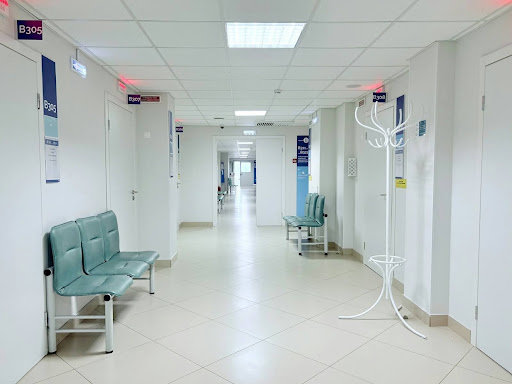


Surgery is usually followed by a period of gradual recovery rather than an immediate return to normal life. Even after a successful hospital discharge, people may be dealing with reduced mobility, fatigue, discomfort and a new set of exercises or precautions.
The first days and weeks can therefore require planning. Physiotherapy appointments, medication routines, mobility practice and everyday tasks all need to fit together. A structured rehabilitation setting can make this transition more manageable by placing those elements within one coordinated programme.
The Period After Discharge Has Different Priorities
Hospital care focuses on the procedure and immediate medical stability. Rehabilitation focuses on what comes next: restoring function, improving movement and helping the person become more independent over time.
The priorities vary according to the operation and the individual. Someone recovering from joint surgery may focus heavily on mobility and strength, while another person may have different practical goals.
For this reason, post-operative rehabilitation should follow the recommendations of the relevant consultant or surgical team and be adapted to the person’s condition.
Assessment Creates the Starting Point
A rehabilitation plan needs a clear starting point. Initial assessment can consider medical history, current mobility, functional limitations and personal goals.
The purpose is not simply to measure what someone cannot do. It is to understand where support is required and what progress would be meaningful to that individual.
From there, the team can build a programme that combines therapy, nursing input and appropriate daily activity. Progress can then be reviewed rather than assumed.
Consistency Makes Rehabilitation Easier to Follow
One of the challenges of recovering independently is coordinating several services. Physiotherapy may take place in one location, follow-up appointments somewhere else and day-to-day support at home may vary.
A dedicated Post Surgery Rehabilitation environment can reduce some of that fragmentation. When therapy and support are organised around the same recovery plan, the individual has a clearer routine and the professionals involved can communicate more easily.
The 1150 Club describes its post-surgical service as combining one-to-one physiotherapy, 24-hour nursing care, specialist treatments and tailored planning in a purpose-designed Belgravia setting.
One-to-One Physiotherapy Keeps Goals Personal
Rehabilitation exercises are most useful when they relate to the person’s current ability and the requirements of their recovery.
One-to-one physiotherapy allows sessions to be adjusted as the person changes. A therapist can focus on range of motion, strength, balance, walking or other relevant goals and adapt the programme according to response.
This individual approach can also improve confidence because questions can be addressed in real time and exercises can be practised under professional supervision.
A Well-Equipped Setting Can Support Progression
Different stages of recovery may require different tools. A specialist gym can provide controlled ways to work on strength and movement, while appropriate equipment can help therapists progress exercises gradually.
The key is not the amount of equipment but how it is used. Technology and specialist facilities should support the clinical plan rather than determine it.
When the equipment is on site, sessions can be integrated into a wider daily routine without the additional effort of travelling between different providers.
Hydrotherapy May Be Useful for Some Patients
Water can provide a different environment for movement because buoyancy reduces load on the body. Under suitable professional supervision, hydrotherapy may be incorporated into some rehabilitation programmes.
It is not automatically appropriate after every procedure. Timing, wound healing, medical status and the surgical team’s guidance all matter.
When it is suitable, water-based exercise can complement land-based physiotherapy and provide another controlled way to practise movement.
Nursing Oversight Can Support the Transition
Some people require ongoing nursing input after discharge, particularly around medication, wound care, pain management or monitoring.
Having nursing support available alongside rehabilitation can create continuity. The individual does not need to separate physical recovery from other day-to-day clinical needs.
This can be particularly reassuring during the stage when a person is medically stable enough to leave hospital but not yet ready to manage every aspect of recovery alone.
Comfort and Privacy Have a Practical Role
Recovery can be tiring, and rest is part of the process. A private, comfortable environment gives people space between therapy sessions and can make routines such as dressing, eating and sleeping easier to manage.
People considering Luxury Rehabilitation in London may also value the ability to combine professional care with privacy and high-quality accommodation.
These features are most meaningful when they complement the rehabilitation plan. Comfort should make recovery easier, not replace the clinical work required.
The Goal Is Greater Independence
Rehabilitation should gradually prepare someone for the next stage of life rather than create dependence on the setting.
Therapy can focus on the activities that will matter after discharge, whether that means walking safely, managing stairs, completing daily tasks or continuing an exercise programme.
Planning for the transition home can also include follow-up therapy and clear communication with relevant healthcare professionals.
A Structured Path Can Reduce Uncertainty
The weeks after surgery can feel uncertain because progress is gradual and each day may be different. A structured programme cannot guarantee a particular outcome or timetable, but it can make the process clearer.
Regular assessment, coordinated therapy, appropriate nursing input and a supportive environment give the individual a defined framework for recovery.
The most effective rehabilitation remains personal. It follows clinical advice, responds to progress and keeps the focus on realistic functional goals. When those principles are combined with a well-designed setting, the transition from hospital toward independent living can feel more organised and supported.
Questions to Ask Before Choosing a Rehabilitation Setting
Before committing to a rehabilitation programme, it can be useful to ask how the team assesses new patients, how frequently progress is reviewed and how the programme is adjusted when needs change. Patients and families may also want to understand what nursing support is available, which therapies are provided on site and how the rehabilitation team communicates with external clinicians when necessary.
Practical details matter too. Ask how the setting prepares people for discharge, whether outpatient follow-up is available and how daily routines are adapted for different levels of mobility. A clear answer to these questions can help patients compare services on more than appearance alone.
The best environment is one where clinical planning, therapy, nursing support and day-to-day comfort work together. Luxury can make recovery more pleasant, but the foundation should always be safe, individualised and professionally coordinated care.