
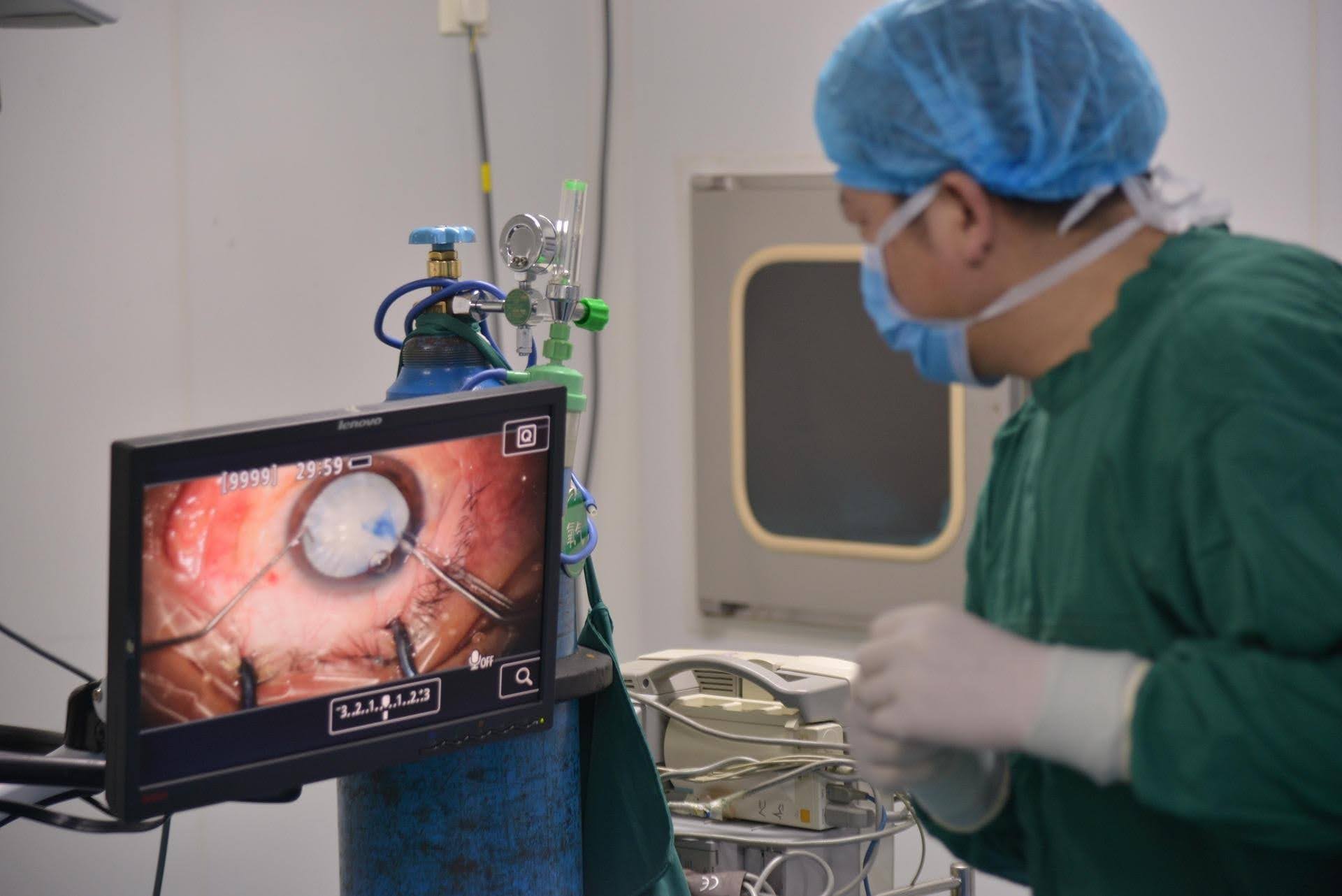


Surgery has changed more in the last few decades than in the century before. Robots, better cameras, and smarter tools now sit beside the scalpel in many operating rooms. These tools are great, but they will teach surgeons more about care, skill and growth. What are the important takeaway points from the progress every modern surgeon can learn from?
Lifelong Learning Is Part of the Job
Technology is a dynamic field and surgeons must keep up. A colon and rectal surgery is one such example since it combines open, laparoscopic, robotic and endoscopic techniques. Surgeons such as Dr. Omar Marar have shown that leading in this field means staying curious and adapting skills as new tools arrive. A surgeon who has become accustomed to learning will always be prepared when a new advance comes along.
Smaller Incisions Mean Better Recovery
Minimally invasive methods have changed what patients expect. Smaller cuts tend to be less painful, have fewer complications and lead to a quicker return to normal life. It is possible to remove some early rectal tumors in the absence of an external incision using a transanal technique. Surgeons need to recognize the healing process as a major part of the success, rather than just the surgery.
Robotic Tools Reward Careful Training
Robotic surgery offers steady hands, a clear three-dimensional view, and precise movement in tight spaces such as the pelvis. However, the robot does not act autonomously. It must be used properly and surgeons must be well trained, have practice on a simulator or have regular case reviews. Technology can only serve to extend the ceiling on a solid foundation.
Sometimes the Best Surgery Is No Surgery
Progress is not limited to the operating room. Today some conditions can be treated with improved treatment methods like medication and/or radiation, without an operation. Modern surgeons need to be aware of these and collaborate with oncologists and other specialists. The right treatment for every patient is more important than the most sophisticated tool.
Teaching Strengthens Every Surgeon
The best spread of new technology is achieved when experienced surgeons share their knowledge. Student Mentoring and resident mentoring help to create confidence and maintain high standards. A surgeon needs to articulate each step clearly when teaching, which increases their own level of understanding. From the start, the next generation learns to use new tools safely with the help of strong mentoring.
Personal Wellbeing Protects Performance
Sophisticated surgical instruments cannot take the place of surgery. Burnout can happen because of long days, challenging work, and significant workload. Surgeons keep their bodies and minds fresh with regular exercise, yoga, and mindfulness. Patients benefit a healthy surgeon will make better decisions and have a longer career.
Patient Outcomes Should Guide Every Choice
Every new device should be judged by one question. Is it beneficial to the patient? Advanced equipment can be costly and complex, so surgeons need to look at real results such as complication rates, hospital stay, and long-term quality of life. Simple treatments, which bring comfort, such as fecal incontinence treatment or hemorrhoid treatment in the clinic, illustrate the power of careful treatment. Technologies should only be used for the patient and not the other way around. That principle keeps medicine human.
Conclusion
Progress in surgical technology is more than just new equipment. They urge contemporary surgeons to never cease to learn, never cease to focus on recovery, never cease to train with care, and never cease to consider all treatment options. They also demonstrate the importance of giving back and the importance of personal health care. Surgeons with strong skills, the proper tools, and a patient-first attitude deliver the best care. The future of surgery will keep changing, and those who stay open to growth will be ready to lead it with confidence and compassion in every hospital they serve.