
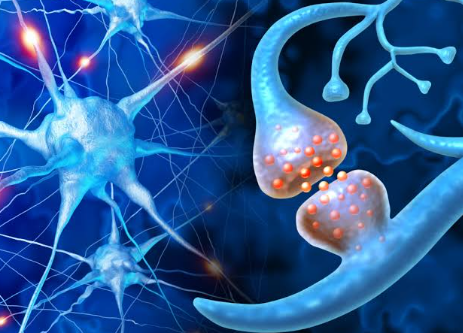


Introduction to Neuroplasticity
Neuroplasticity is a fundamental property of the brain that is often described as its ability to reorganize itself by forming new neural connections throughout life. This remarkable capacity means that the brain can adapt to new experiences, learn new information, and recover from injuries. Neuroplasticity is an ongoing process that can occur at various scales, from cellular changes in individual neurons to large-scale cortical remapping.
The significance of neuroplasticity extends beyond mere adaptability; it plays a crucial role in cognitive functions such as learning and memory. When we learn something new, for instance, our brains undergo structural changes. Synapses—structures that enable neurons to communicate—strengthen or weaken in response to activity. This synaptic plasticity underpins our ability to acquire skills and knowledge, emphasizing the importance of engaging the brain in stimulating activities throughout one’s life.
Moreover, neuroplasticity is vital in recovery from brain injuries. Following trauma or stroke, the brain can often compensate for lost functions by retraining itself, which can lead to the emergence of new neural pathways. Rehabilitation strategies that leverage neuroplasticity can significantly enhance recovery outcomes, illustrating the potential for the brain to heal and adapt.
Understanding neuroplasticity offers profound implications for both brain health and cognitive endeavor. By recognizing how the brain reorganizes and adapts, one can implement practices that foster a stimulating environment conducive to mental flourishing. This could include engaging in novel experiences, pursuing education, or practicing mindfulness. Acknowledging neuroplasticity not only enriches our comprehension of the brain but also empowers us to take proactive steps towards enhancing our overall cognitive health.
The Science Behind Neuroplasticity
Neuroplasticity, a fundamental property of the human brain, refers to the ability of neural networks to change through growth and reorganization. This phenomenon is essential for learning, memory, and recovery from brain injuries. The science behind neuroplasticity involves various intricate mechanisms that include developmental plasticity, functional plasticity, and structural plasticity.
Developmental plasticity occurs during critical periods of growth in which the brain forms new neural connections. This type of neuroplasticity is especially pronounced in childhood, where experiences can significantly shape the brain’s architecture and affect cognitive and emotional development. During this phase, the formation of synapses—the connections between neurons—is particularly dynamic, allowing the brain to adapt to new stimuli and environments.
Functional plasticity, on the other hand, enables the brain to compensate for lost functions or injuries by reorganizing and forming new connections. This adaptive capability is particularly evident in stroke recovery, where undamaged areas of the brain can take over the functions of impaired regions. The functional plasticity of the brain is facilitated by the actions of neurotransmitters, chemical messengers that play a crucial role in transmitting signals across synapses. The balance of these neurotransmitters, such as dopamine and serotonin, influences the brain’s ability to adapt to changes and challenges over time.
Structural plasticity involves actual physical changes to the brain’s structure. This includes the formation of new synapses or the elimination of old ones, a process known as synaptic pruning. Structural plasticity reflects the brain’s response to learning and experiences, demonstrating that the brain is not a static organ but one that continuously evolves over time. This intricate interplay between synapses and neurotransmitters showcases the remarkable adaptability of the brain, emphasizing the importance of neuroplasticity in promoting enhanced brain health.
Factors Influencing Neuroplasticity
Neuroplasticity refers to the brain’s remarkable ability to reorganize itself by forming new neural connections throughout life. It is influenced by several factors, including age, environment, lifestyle choices, and mental health. Understanding these factors is crucial for promoting optimal brain health.
Age plays a significant role in neuroplasticity. In children, the brain is highly plastic, allowing for rapid learning and adaptation. As individuals age, neuroplasticity can decline, although research shows that the brain retains some capability for change even in later years. Engaging in stimulating activities and lifelong learning can help maintain this capacity.
The environment also significantly influences neuroplastic changes. Enriching environments that promote learning, creativity, and social interaction can enhance neuroplasticity. Conversely, impoverished environments lacking stimulation can inhibit cognitive development and plastic changes. Regular exposure to new experiences encourages the formation of new pathways and strengthens existing ones.
Lifestyle choices are critical to optimizing neuroplasticity. Nutrition, for instance, plays a pivotal role; diets rich in omega-3 fatty acids, antioxidants, and vitamins support brain health and can facilitate the formation of new neural connections. Exercise is another influential factor. Physical activity increases blood flow to the brain, promotes the release of neurotrophic factors, and encourages the survival and growth of neurons.
Moreover, managing stress is vital for neuroplasticity. Chronic stress can negatively affect brain functions, leading to a decline in plasticity. Techniques such as mindfulness, meditation, and relaxation exercises can mitigate stress and promote a healthier brain environment. Additionally, maintaining strong social connections has been correlated with enhanced neuroplasticity, as supportive relationships can stimulate cognitive and emotional resilience.
Neuroplasticity and Learning
Neuroplasticity is a fundamental property of the brain that enables it to reorganize itself by forming new neural connections throughout life. This remarkable capacity is particularly crucial for learning and skill acquisition, as it allows individuals to adapt their behavior and cognitive functions in response to new experiences. When individuals engage in learning activities, practice new skills, or try unfamiliar tasks, neuroplasticity facilitates the modification of existing neural pathways and the creation of new ones.
The mechanisms underlying neuroplasticity involve various processes, including synaptic plasticity, which affects the strength of connections between neurons, and structural plasticity, which pertains to the actual growth of new neurons. Research has shown that repeated practice can induce long-lasting changes in the brain’s architecture, leading to enhanced performance in specific tasks. For instance, learning to play a musical instrument or mastering a new language can increase the volume of certain brain regions associated with these activities, demonstrating the brain’s responsiveness to learning.
Engaging in new activities not only promotes the development of new skills but also enhances cognitive flexibility—a vital attribute that allows individuals to adapt to novel situations and solve problems effectively. Studies indicate that maintaining an active learning regime can lead to improved memory, attention, and the ability to process information. This adaptability exemplifies how neuroplasticity supports lifelong learning, allowing individuals of all ages to acquire new knowledge and competences.
Ultimately, understanding the role of neuroplasticity in learning illuminates the importance of lifelong engagement in diverse intellectual pursuits. By recognizing that the brain is not a static organ but rather a dynamic entity capable of change, individuals can take proactive steps to foster their cognitive health and skill development well into the future.
Neuroplasticity in Rehabilitation
Neuroplasticity, the brain’s ability to reorganize itself by forming new neural connections, is a fundamental component of rehabilitation for individuals recovering from brain injuries, strokes, and neurological disorders. This remarkable capability offers hope for significant recovery and enhances rehabilitation outcomes. Understanding how neuroplasticity operates provides insight into the therapeutic interventions that can facilitate improved brain function.
After a brain injury or stroke, many patients experience challenges related to motor skills, speech, and cognitive function. Rehabilitation programs designed around the principles of neuroplasticity focus on engaging the brain through repetitive tasks and exercises that promote skill relearning. These interventions, which often include physical therapy, occupational therapy, and speech therapy, aim to stimulate the brain’s adaptive mechanisms by encouraging it to forge new pathways.
For instance, physical therapy may involve exercises that help patients regain strength and coordination. Through consistent practice, these movements can become more automatic as the brain forms new synapses. Occupational therapy complements this by assisting individuals in developing the skills needed for daily activities, thereby promoting functional independence. Speech therapy, on the other hand, focuses on improving communication abilities, which significantly enhances the patient’s quality of life.
Furthermore, emerging evidence suggests that engaging in cognitive training and activities that challenge the brain, such as puzzles and memory games, can also harness neuroplasticity to foster recovery. These activities support the development of cognitive reserve, which can be particularly beneficial for individuals dealing with cognitive impairments post-injury.
Through these therapeutic interventions, the principles of neuroplasticity become a beacon of hope, emphasizing that the brain is not static but rather a dynamic organ capable of profound change. Recognizing the potential of neuroplasticity in rehabilitation allows healthcare professionals to tailor effective treatment plans that optimize recovery and enhance brain health for patients facing significant challenges.
Positive Habits That Enhance Neuroplasticity
Neuroplasticity, the brain’s ability to adapt and reorganize itself, can be significantly influenced by certain positive habits and practices. Embracing these habits not only aids in stimulating neuroplasticity but also contributes to overall brain health.
One of the foremost activities that promote neuroplasticity is regular meditation. Engaging in mindful meditation allows individuals to cultivate awareness of their thoughts and surroundings, which can enhance cognitive flexibility. Research indicates that those who practice meditation tend to experience changes in brain structures associated with emotional regulation and attentional focus.
Mindfulness is closely related to meditation and provides another opportunity to bolster neuroplasticity. By practicing mindfulness, individuals learn to stay present in the moment, which can lead to reduced stress and increased emotional resilience. This state of awareness can boost the brain’s capacity to create new neural connections, further supporting cognitive health.
Physical exercise is another powerful enhancer of neuroplasticity. Engaging in regular physical activities stimulates the production of brain-derived neurotrophic factor (BDNF), a protein essential for neuronal growth and differentiation. Activities such as aerobic exercises, yoga, or strength training not only improve cardiovascular health but also facilitate cognitive improvements over time.
Cognitive training exercises, like puzzles, memory challenges, or learning a new language, can also foster neuroplasticity. Such exercises push the brain to adapt to novel stimuli, enhancing problem-solving skills and cognitive functions. These activities encourage the brain to forge new pathways and strengthen existing connections.
Maintaining a balanced diet rich in omega-3 fatty acids and antioxidants further complements these practices. Foods such as fatty fish, nuts, and berries have been associated with neuroprotective effects, enhancing learning capabilities and memory retention. Consuming a diet that nurtures brain health can provide the nutrients necessary for optimal neuroplasticity.
Challenges to Neuroplasticity
Neuroplasticity, the brain’s remarkable ability to reorganize itself by forming new neural connections, plays a crucial role in learning and recovery from injuries. However, various challenges can significantly hinder this capacity, particularly in the face of neurodegenerative diseases, mental health disorders, and damaging lifestyle factors.
Neurodegenerative diseases, such as Alzheimer’s and Parkinson’s, are among the most formidable challenges to neuroplasticity. These conditions are characterized by the progressive degeneration of nerve cells, which disrupts cognitive functions and diminishes the brain’s ability to adapt to new information or recover from injury. As neurons die, the overall structural integrity of brain networks declines, and plastic changes become increasingly difficult, ultimately affecting cognitive flexibility and adaptability.
Mental health disorders also pose significant challenges to neuroplasticity. Conditions such as depression, anxiety, and schizophrenia can alter brain chemistry and reduce the brain’s plastic potential. For instance, chronic stress can lead to changes in the structure and function of the hippocampus, a critical region involved in learning and memory. Over time, the effects of untreated mental health issues can inhibit neurogenesis and diminish synaptic connectivity, further burdening the brain’s ability to rewire itself.
Lifestyle factors, including chronic stress and substance abuse, are equally detrimental. Chronic exposure to stress hormones can create an environment that is neurotoxic, leading to inflammation and impairing synaptic functions, limiting neuroplasticity. Similarly, substance abuse, particularly of drugs like alcohol and opioids, can disrupt neurotransmitter balance and damage areas of the brain responsible for learning and memory. These lifestyle influences can collectively undermine brain health and cognitive performance.
Future Directions in Neuroplasticity Research
The field of neuroplasticity research is rapidly evolving, revealing new avenues for understanding how the brain can adapt and reorganize itself. One of the most promising areas of study focuses on the development of non-invasive brain stimulation techniques. These techniques, such as transcranial magnetic stimulation (TMS) and transcranial direct current stimulation (tDCS), are being explored for their potential to facilitate neuroplastic changes. By temporarily altering the excitability of neurons, these interventions have shown promise in enhancing recovery from brain injuries and managing conditions like depression and anxiety.
Additionally, advancements in neuroimaging technologies have enabled researchers to visualize brain activity in real-time, providing invaluable insights into connectivity patterns during different cognitive tasks. Functional MRI (fMRI) and diffusion tensor imaging (DTI) are two modalities that are increasingly being utilized to investigate how neuroplasticity occurs in various contexts. These methods allow for a greater understanding of how experience and learning can induce structural changes in the brain, leading to potential therapeutic strategies for enhancing cognitive function.
Another exciting research direction involves the exploration of neurogenesis—the process by which new neurons are formed in the brain. This phenomenon has largely been associated with the hippocampus, an area crucial for learning and memory. Encouragingly, studies suggest that certain environmental factors, such as enriched environments, physical activity, and novel experiences, can promote neurogenesis, highlighting the importance of lifestyle in supporting brain health.
As we look towards the future, the integration of artificial intelligence (AI) and machine learning in neuroplasticity research holds significant potential. These technologies can help identify patterns within complex data sets, uncovering relationships that may not be evident through traditional analysis. This innovative approach could lead to more targeted interventions aimed at harnessing neuroplasticity to improve clinical outcomes for individuals with brain-related conditions.
Conclusion: Empowering Your Brain Health
In summary, neuroplasticity is a remarkable feature of the brain that enables it to adapt and reorganize itself throughout life. Understanding the mechanisms behind neuroplasticity can empower individuals to take proactive steps toward enhancing their brain health. It is essential to recognize that everyone has the capability to influence their brain’s flexibility and resilience by engaging in daily practices that foster neuroplasticity.
Incorporating activities that challenge the brain, such as learning new skills, practicing mindfulness, and maintaining a healthy lifestyle, facilitates the brain’s ability to form new neural connections. These practices not only promote cognitive function but also help mitigate the effects of aging and neurological disorders. Regular physical exercise, a balanced diet rich in omega-3 fatty acids, adequate sleep, and social interactions are fundamental in supporting brain health and enhancing neuroplasticity.
Moreover, embracing a growth mindset is crucial. By believing in the brain’s potential to change and grow, individuals can foster a more positive approach toward mental challenges. This perspective shift encourages perseverance and resilience, enabling better management of stress and cognitive decline over time. Ultimately, the actions taken today can lead to significant improvements in mental well-being and overall brain functionality.
As we continue to uncover the intricacies of neuroplasticity, it becomes increasingly clear that investing in our brain health is not merely a choice but an essential endeavor for long-term health and quality of life. Therefore, by consciously implementing neuroplasticity-friendly strategies into our routines, we can significantly enhance our cognitive capabilities and overall mental wellness.