
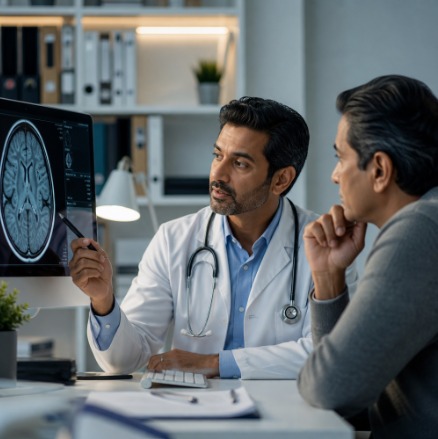


Neurological health represents one of the most intricate and essential aspects of overall wellness. The human nervous system governs everything from basic motor functions to complex cognitive processes, making specialized neurological care a cornerstone of modern medicine. As medical science advances, patients have access to increasingly sophisticated diagnostic tools and treatment protocols that address conditions ranging from migraines and epilepsy to stroke rehabilitation and neurodegenerative diseases. Understanding when to seek specialized care and how to navigate the healthcare landscape empowers individuals to make informed decisions about their neurological health.
The Critical Role of Specialized Neurological Assessment
Neurological conditions manifest in diverse ways, often presenting symptoms that overlap with other medical issues. Persistent headaches, unexplained dizziness, memory difficulties, tremors, numbness, or coordination problems may signal underlying neurological concerns requiring expert evaluation. A comprehensive neurological examination extends beyond standard physical assessments, incorporating detailed evaluations of reflexes, sensory responses, cognitive function, and motor coordination. When seeking expert guidance for such concerns, consulting with a qualified neurologist abu dhabi provides access to advanced diagnostic capabilities and evidence-based treatment approaches. Early intervention often proves crucial in managing progressive conditions and preventing complications that might otherwise compromise long-term neurological function.
Integrating Primary and Specialty Care
Effective healthcare delivery relies on seamless coordination between primary care providers and medical specialists. Your primary care physician serves as the first point of contact for most health concerns, conducting initial assessments and determining when specialized consultation becomes necessary. This integrated approach ensures continuity of care while allowing specialists to focus on complex diagnostic challenges and targeted interventions. For individuals managing chronic neurological conditions, maintaining strong relationships with both primary care doctors and neurological specialists creates a comprehensive support network. Finding the right primary care physician establishes this essential foundation, enabling better coordination when neurological symptoms emerge or existing conditions require ongoing management.
Recognizing When Neurological Expertise Is Needed
Certain warning signs demand immediate neurological evaluation rather than waiting for routine appointments. Sudden severe headaches unlike any previously experienced, vision changes, speech difficulties, weakness on one side of the body, confusion, or loss of consciousness all constitute neurological emergencies requiring urgent medical attention. Beyond acute scenarios, chronic conditions also warrant specialist involvement. Recurring migraines that disrupt daily functioning, seizures of any frequency, progressive memory decline, movement disorders such as tremors or rigidity, chronic pain syndromes affecting nerves, and symptoms suggesting multiple sclerosis or other demyelinating diseases all benefit from neurological expertise. Primary care physicians typically initiate referrals when symptoms persist despite initial treatment or when diagnostic complexity exceeds general practice scope.
Advanced Diagnostic Technologies in Neurology
Modern neurological practice employs sophisticated imaging and testing modalities that reveal structural and functional abnormalities invisible to physical examination alone. Magnetic resonance imaging provides detailed visualization of brain and spinal cord structures, detecting tumors, vascular malformations, inflammatory lesions, and degenerative changes. Computed tomography scans rapidly identify hemorrhages, fractures, and acute structural problems in emergency settings. Electroencephalography records electrical brain activity, proving essential for epilepsy diagnosis and seizure classification. Electromyography and nerve conduction studies assess peripheral nerve and muscle function, diagnosing conditions like carpal tunnel syndrome, peripheral neuropathy, and muscular disorders. Lumbar puncture enables cerebrospinal fluid analysis, detecting infections, inflammatory conditions, and certain cancers affecting the nervous system.
The Expanding Scope of Neurological Treatments
Therapeutic options for neurological conditions have expanded dramatically beyond traditional medication management. Pharmacological interventions remain foundational, with medications targeting neurotransmitter systems to control seizures, manage pain, reduce inflammation, slow disease progression, or address mood and cognitive symptoms accompanying neurological disorders. Beyond pharmaceuticals, interventional procedures offer targeted relief for specific conditions. Botulinum toxin injections effectively treat chronic migraines, movement disorders, and spasticity. Nerve blocks interrupt pain signals in chronic pain syndromes. Deep brain stimulation has revolutionized treatment for Parkinson’s disease, essential tremor, and certain psychiatric conditions. Rehabilitation therapies including physical therapy, occupational therapy, and speech therapy help patients regain function after stroke, traumatic brain injury, or during management of progressive conditions.
Understanding Medical Clinic Settings and Care Models
Healthcare delivery occurs across various settings, each offering distinct advantages for specific patient needs. Medical clinics provide accessible outpatient care for routine evaluations, follow-up appointments, and management of stable chronic conditions. Specialty neurological institutes offer concentrated expertise, advanced diagnostic equipment, and multidisciplinary teams managing complex cases. Hospital-based neurology departments handle acute neurological emergencies and provide inpatient care for severe conditions requiring intensive monitoring. Rehabilitation centers focus on functional recovery following neurological injury or during progressive disease management. Understanding these different care environments helps patients access appropriate services efficiently, whether seeking initial consultation, ongoing disease management, or intensive rehabilitation.
Lifestyle Factors Influencing Neurological Health
While medical intervention addresses neurological conditions directly, lifestyle modifications significantly influence outcomes and disease progression. Cardiovascular health directly impacts brain health, as stroke risk correlates closely with hypertension, diabetes, and cholesterol levels. Regular physical activity enhances circulation, supports neuroplasticity, and reduces cognitive decline risk. Quality sleep allows critical brain maintenance processes including toxin clearance and memory consolidation. Nutrition affects neurological function through multiple pathways, with Mediterranean dietary patterns showing particular promise for cognitive preservation. Stress management techniques reduce inflammatory responses that may exacerbate certain neurological conditions. Cognitive engagement through learning, social interaction, and mentally stimulating activities builds cognitive reserve that may delay dementia symptom onset.
Cleveland Clinic Abu Dhabi’s Neurological Institute
Within the Middle East region, Cleveland Clinic Abu Dhabi has established itself as a leading center for comprehensive neurological care, bringing internationally recognized expertise to patients throughout the Gulf region and beyond. The Neurological Institute at Cleveland Clinic Abu Dhabi offers integrated services spanning the full spectrum of neurological conditions, from common disorders to rare and complex cases requiring multidisciplinary expertise. The institute’s capabilities include advanced neuroimaging, comprehensive stroke care with interventional neuroradiology, epilepsy monitoring and surgical treatment, movement disorder management, neuromuscular disease evaluation, neuro-oncology services, and spine care addressing both degenerative conditions and complex spinal disorders. This concentration of specialized resources under one institutional framework facilitates coordinated care delivery, enabling patients to access multiple subspecialties without navigating separate healthcare systems.
Preparing for Your Neurological Consultation
Maximizing the value of specialist appointments requires thoughtful preparation. Document symptom patterns including onset timing, frequency, duration, triggers, and relieving factors. Compile a complete medication list including prescription drugs, over-the-counter products, and supplements, as certain substances affect neurological function or interact with neurological treatments. Gather previous medical records, imaging studies, and laboratory results to provide comprehensive background information. Prepare specific questions addressing diagnosis, treatment options, prognosis, lifestyle modifications, and follow-up plans. Consider bringing a family member or friend to help remember information discussed during the appointment, particularly important when cognitive symptoms affect memory or processing. This preparation enables more efficient consultations and ensures important concerns receive adequate attention during limited appointment time.
The Future of Neurological Medicine
Neurological research continues advancing at remarkable pace, with emerging therapies offering hope for conditions previously considered untreatable. Gene therapies show promise for certain inherited neurological disorders. Immunotherapies are transforming management of multiple sclerosis and other neuroimmunological conditions. Precision medicine approaches tailor treatments based on individual genetic profiles and disease characteristics. Advanced neuroimaging techniques reveal functional brain networks with unprecedented detail, improving surgical planning and outcome prediction. Artificial intelligence applications assist in diagnostic pattern recognition and treatment response prediction. These innovations, moving from research settings into clinical practice, promise to further improve outcomes for patients with neurological conditions in coming years.
Neurological health demands attention, expertise, and proactive management. Whether addressing acute symptoms requiring immediate evaluation or managing chronic conditions through ongoing specialist care, understanding available resources and maintaining coordinated healthcare relationships proves essential. The integration of primary care oversight with specialized neurological expertise, supported by advanced diagnostic capabilities and evidence-based treatments, provides the foundation for optimal neurological outcomes. As medical knowledge expands and therapeutic options multiply, patients benefit from staying informed and actively participating in healthcare decisions affecting their neurological wellbeing.