


Looking after your heart is an important part of maintaining your health, yet cardiovascular symptoms are not always straightforward to understand. Some people experience an irregular heartbeat, unexplained breathlessness or chest discomfort, while others discover high blood pressure or raised cholesterol during a routine health check. Knowing when to seek specialist advice can make a meaningful difference.
For people searching for a Private cardiologist Clayhall, finding an experienced consultant with accessible appointments and clear communication is an important starting point. Residents of Clayhall and surrounding areas of Redbridge can explore specialist cardiology services at nearby private hospitals, including facilities in the wider East London and Essex area.
Specialist cardiac care helps patients understand their symptoms, identify potential cardiovascular risks and develop personalised treatment plans. Whether you need an initial assessment, a second opinion or ongoing monitoring, understanding the available options can help you make informed decisions.
Why Specialist Cardiology Care Matters
The cardiovascular system includes the heart, blood vessels and circulation. Problems affecting these structures can develop gradually or cause symptoms that require prompt medical attention.
A consultant cardiologist specialises in diagnosing, investigating and managing conditions such as coronary artery disease, abnormal heart rhythms, heart failure and heart valve disorders.
However, specialist assessment is not only for people with an established diagnosis. Individuals experiencing unexplained symptoms or concerned about their family history may also benefit from a consultation.
Early assessment can help identify relevant risks and determine whether further investigations are necessary. It can also provide reassurance when symptoms have a non-cardiac explanation.
An effective consultation should consider the patient’s medical history, lifestyle and individual concerns rather than relying on a standard approach to every case.
Recognising Symptoms That May Need Assessment
Heart-related symptoms vary considerably between individuals. Some are mild or intermittent, while others affect everyday activities.
Common reasons for seeking cardiology advice include:
- Chest discomfort: Unexplained tightness, pressure or pain that requires clinical assessment.
- Heart palpitations: A racing, fluttering or irregular heartbeat.
- Breathlessness: Difficulty breathing during normal activities or at rest.
- Dizziness: Recurrent light-headedness or episodes of feeling faint.
- High blood pressure: Persistently elevated readings requiring assessment or treatment review.
- Raised cholesterol: A cardiovascular risk factor that may require preventive management.
- Family history: Concerns about inherited or premature cardiovascular disease.
These symptoms do not always indicate heart disease, but they should be considered in the context of a person’s overall health.
Sudden or severe chest pain, particularly with sweating, fainting or significant breathlessness, requires emergency medical attention. In the UK, call 999 if a heart attack is suspected rather than waiting for a routine private consultation.
Accessing Private Cardiology Care Near Clayhall
Clayhall is a residential area within the London Borough of Redbridge, with access to healthcare facilities across East London and neighbouring Essex.
Patients considering Private cardiologist Clayhall services should look beyond proximity alone. The consultant’s qualifications, relevant experience, available investigations and follow-up arrangements are equally important.
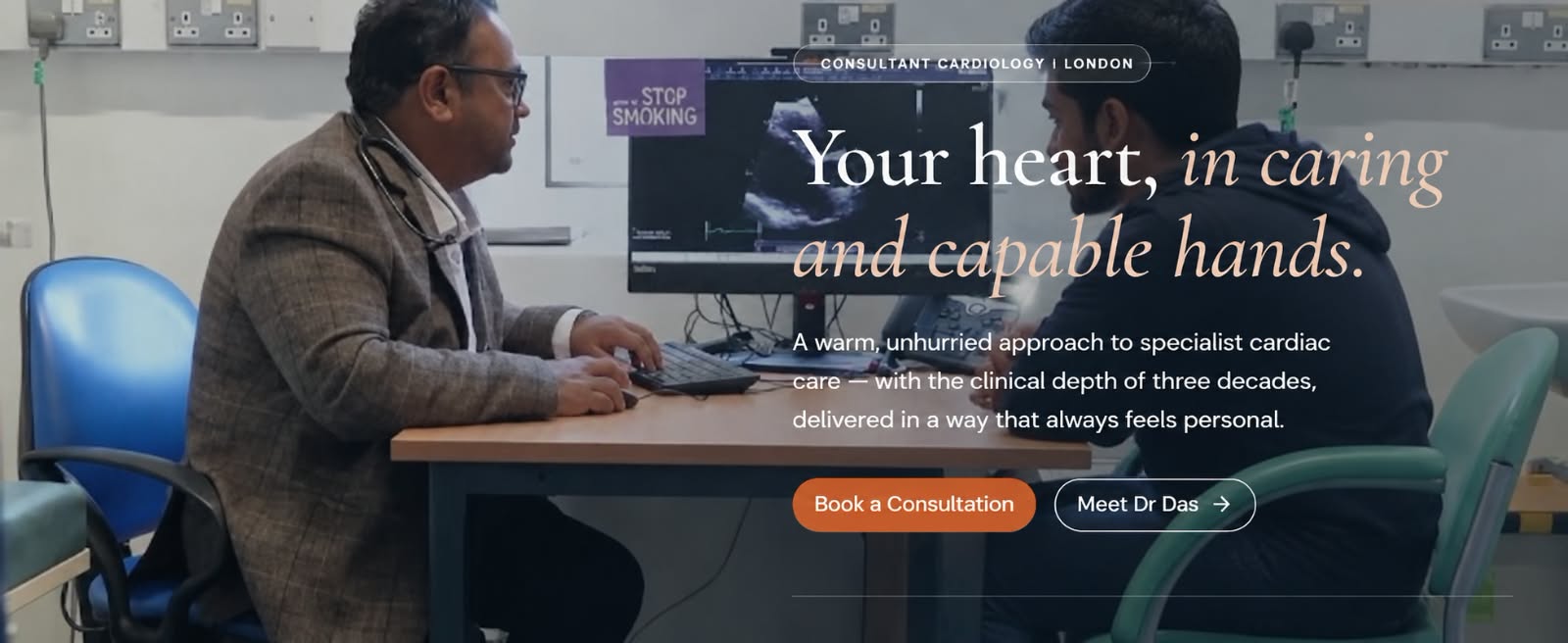
The London Heart is a private cardiology practice led by Dr Debashish Das, a consultant cardiologist and Clinical Lead for Cardiology at Whipps Cross Hospital within Barts Health.
The practice lists private appointments at Spire London East Hospital in Redbridge and The Holly Hospital in Buckhurst Hill, alongside Dr Das’s NHS clinical roles at Whipps Cross and St Bartholomew’s hospitals.
These locations provide options for patients travelling from Clayhall and neighbouring communities. However, the practice does not list a dedicated clinic within Clayhall itself.
Patients should contact the practice to confirm the most suitable location, appointment availability and any specific requirements before booking.
What Happens During a Private Cardiology Consultation?
An initial consultation provides an opportunity to discuss symptoms, medical concerns and relevant health history.
The cardiologist will generally ask when symptoms started, how frequently they occur and whether particular activities or circumstances make them better or worse.
Current medication, previous investigations, family history and existing medical conditions may also be reviewed.
A physical examination can include measuring blood pressure, checking the pulse and listening to the heart.
Depending on the clinical findings, an electrocardiogram or other investigation may be recommended.
The purpose is to identify potential explanations, determine whether further testing is required and agree on an appropriate management plan.
Patients should have time to ask questions and understand the reasons behind recommendations. Clear explanations are particularly valuable when medical terminology or test results feel unfamiliar.
Understanding Common Cardiac Investigations
Modern cardiology uses several investigations to assess different aspects of heart health.
An electrocardiogram, commonly called an ECG, records the electrical activity of the heart. It can help identify certain heart rhythm abnormalities.
An echocardiogram uses ultrasound to examine heart structure, pumping function and valves. It may be useful when a clinician suspects structural heart disease or valve problems.
Ambulatory heart monitoring records electrical activity over a longer period. This can be helpful when symptoms such as palpitations occur intermittently.
Stress echocardiography and cardiac CT investigations may also be considered in selected circumstances.
People researching Private cardiologist Clayhall appointments should ask which tests may be appropriate for their concerns and whether additional investigations involve separate charges.
The most suitable investigation depends on symptoms, clinical history and professional assessment. Not every patient requires advanced imaging or extensive testing.
Managing Common Cardiovascular Conditions
Consultant cardiologists assess and manage a wide range of cardiovascular conditions.
Atrial fibrillation is a heart rhythm disorder that may require monitoring, medication or other treatment depending on individual circumstances.
High blood pressure can increase cardiovascular risk over time, particularly when combined with additional factors such as diabetes or raised cholesterol.
Coronary artery disease affects blood flow to the heart muscle and may require investigations, medicines or specialist procedures.
Heart failure and cardiomyopathy affect the heart’s structure or function and often require ongoing review.
The correct treatment depends on the diagnosis, severity of symptoms and the patient’s wider medical history.
Specialist management can also involve communication with a GP or referral to other healthcare professionals when appropriate.
Heart Disease Prevention and Long-Term Health
Preventing cardiovascular problems is an important part of heart care.
Some risk factors, including age and family history, cannot be changed. Others, such as smoking, physical inactivity and certain dietary habits, may be improved.
Regular blood pressure monitoring and appropriate cholesterol assessment can help identify risks that might otherwise go unnoticed.
A balanced diet containing vegetables, fruit, wholegrains and suitable protein sources can support general wellbeing.
Physical activity may also improve cardiovascular fitness, although exercise recommendations should reflect individual circumstances.
People living with existing cardiac conditions should discuss substantial changes in physical activity with an appropriate healthcare professional.
Sustainable improvements are generally more practical than restrictive routines that are difficult to maintain.
The Connection Between Weight and Cardiovascular Health
Body weight can influence cardiovascular risk, particularly when excess body fat contributes to high blood pressure, insulin resistance or abnormal cholesterol levels.
However, cardiovascular health depends on several factors, and body weight alone does not provide a complete assessment.
For appropriate patients, structured weight management may form part of a broader cardiovascular care plan.
The practice also describes a nine-month cardiac weight management programme involving consultant oversight, personalised nutritional guidance, activity planning and clinical monitoring.
The programme includes an initial active management period followed by a maintenance phase. Prescribed treatment may be considered following an individual clinical assessment.
Such programmes are not suitable for everyone, and treatment decisions should consider medical history, possible side effects and individual needs.
Long-term cardiovascular wellbeing involves realistic lifestyle changes alongside appropriate medical supervision.
How to Choose the Right Cardiologist
Choosing a suitable cardiologist involves considering professional qualifications, areas of expertise and the services available.
Patients should also assess whether the consultant provides clear explanations, appropriate investigations and arrangements for follow-up.
Before arranging an appointment, it may help to consider the following:
- Clinical experience: Does the consultant regularly assess your particular symptoms or condition?
- Convenient location: Is the clinic accessible from Clayhall or the surrounding Redbridge area?
- Diagnostic facilities: Are appropriate ECGs, echocardiograms or monitoring services available?
- Consultation fees: Are appointments and additional tests priced separately?
- Insurance arrangements: Does your insurer require a referral or prior authorisation?
- Continuity of care: Will results and treatment recommendations be communicated to your GP?
For people comparing Private cardiologist Clayhall options, these considerations can help distinguish between services and identify an appropriate specialist.
The closest appointment is not necessarily the most suitable one. Clinical experience and clear communication are also important.
Preparing for Your First Appointment
Good preparation can make a cardiology consultation more productive.
Bring an up-to-date medication list, relevant medical records and any previous ECG or imaging reports.
It may also help to keep a brief record of symptoms, including when they occur, how long they last and any possible triggers.
Mention any family history of heart disease, particularly when close relatives developed cardiovascular conditions at a younger age.
Prepare questions about potential diagnoses, recommended investigations and treatment options.
You may also wish to ask when results will be available and whether follow-up appointments are likely to be necessary.
Patients should understand the proposed care plan before leaving the consultation.
Private Cardiology Appointments and Follow-Up Care
Private cardiology services may be accessed through self-funded appointments or private medical insurance.
Some providers allow patients to book directly, although insurers may require a GP referral or authorisation before covering treatment.
Consultation fees do not always include diagnostic investigations. Patients should confirm what is included before attending.
Follow-up care may involve reviewing test results, monitoring symptoms or evaluating responses to prescribed treatment.
Clear communication between private consultants and NHS healthcare professionals can help maintain continuity.
For someone seeking Private cardiologist Clayhall care, it is worth choosing a service that explains what happens after the initial assessment, not simply how to book the first appointment.
Frequently Asked Questions
Can Clayhall residents book a private cardiology appointment nearby?
Yes. Residents can enquire about private cardiology services at facilities in Redbridge, Buckhurst Hill and other accessible parts of East London. Appointment locations and availability should be confirmed directly.
Do I need a GP referral for private cardiology?
Some private services accept direct bookings. However, insurance providers may require a referral or prior authorisation.
Can a cardiologist investigate recurring palpitations?
Yes. A cardiologist can assess symptoms and may recommend an ECG or longer-term heart monitoring when clinically appropriate.
How often should cardiovascular health be reviewed?
Review frequency depends on existing conditions, symptoms, treatment and overall cardiovascular risk. A healthcare professional can recommend an appropriate schedule.
Taking the Next Step Towards Better Heart Health
Understanding cardiovascular symptoms and risk factors is an important part of making informed healthcare decisions.
Specialist cardiology assessment can help investigate concerns, explain test results and identify suitable treatment or monitoring options.
For Clayhall residents, nearby private cardiology facilities offer opportunities to discuss symptoms and access specialist advice without assuming that every concern requires extensive testing.
When considering Private cardiologist Clayhall services, focus on clinical experience, accessible locations, transparent arrangements and continuity of care.
The goal is to receive personalised advice and a clear plan that supports informed decisions about long-term cardiovascular health.