
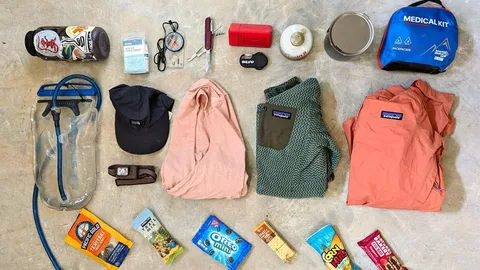


For a weekend hiking trip, pack moisture-wicking clothing, sturdy hiking boots, a weather-resistant tent, and a warm sleeping bag. Essential outdoor cooking gear includes a lightweight camping stove and reusable utensils. Always bring a first-aid kit, a reliable navigation tool, and plenty of high-protein snacks to stay energized on the trails.
Getting ready for a weekend outdoors is incredibly exciting, but staring at an empty backpack can feel slightly overwhelming. I have spent years exploring beautiful trails, and while I am always looking for the next great adventure, I am definitely a comfort-seeker at heart. Carrying a massively heavy bag up a steep hill simply ruins the fun of being out in nature.
Finding the right balance between comfort and practicality takes a bit of practice. The secret lies in choosing lightweight, multi-purpose items that keep you safe without weighing you down. Every ounce matters when you carry your home on your back for two days.
This guide covers exactly what outdoor clothing and camping equipment to pack for a two-day hiking excursion. You will find a straightforward checklist of camping essentials, cooking gear, and outdoor apparel designed to make your weekend in nature completely stress-free.
What are the best clothes to pack for a weekend hike?
Selecting the right clothing ensures you stay dry, warm, and comfortable during sudden weather changes. The most important rule of outdoor apparel is to avoid cotton entirely, because cotton retains moisture and can lower your body temperature.
Which base layers and outerwear keep you comfortable?
Pack a moisture-wicking short-sleeve or long-sleeve top made from merino wool or synthetic blends. These fabrics pull sweat away from your skin and dry quickly. Pair your top with durable, flexible hiking trousers or athletic leggings that allow for a full range of motion.
For outerwear, always pack a lightweight waterproof jacket, even if the forecast predicts clear skies. Weather in elevated areas shifts rapidly. Finally, bring a warm fleece or down jacket to wear around the campsite when temperatures drop in the evening.
Which camping equipment do you need for a two-day trip?
Your camping gear is your temporary home, so reliability is essential. A high-quality, lightweight backpacking tent (ideally weighing under four pounds) is a must for weekend trips. Ensure your tent includes a rainfly and stakes that secure the structure in windy conditions.
Sleep quality directly impacts your energy levels on the trail. Bring a sleeping bag rated for temperatures at least ten degrees colder than the lowest expected overnight temperature. A sleeping pad with an R-value of 3.0 or higher provides crucial insulation from cold ground temperatures and adds a necessary layer of comfort. Always pack a reliable headlamp with extra batteries to navigate your campsite safely after dark.
What outdoor cooking equipment is essential for hiking?
Eating well on the trail keeps your energy levels high and your spirits up. You do not need a massive camp kitchen to enjoy a hot meal. Compact, portable outdoor camping equipment, like a Jetboil or an MSR PocketRocket, boils water in minutes and takes up minimal space in your backpack.
Remember to pack a small fuel canister compatible with your stove, a lightweight titanium mug, and a durable spork. Since carrying all your water for an entire weekend is incredibly heavy, bring a compact water filtration system. Devices like the Sawyer Squeeze or LifeStraw allow you to safely drink from streams and rivers along your route.
How can you prepare for your next outdoor adventure?
Packing for a weekend hike does not require hauling your entire closet into the wilderness. By focusing on lightweight, versatile gear and dependable camping equipment, you create a foundation for a fantastic, stress-free trip. Lay out all your gear on the floor before packing your bag, double-check your checklist, and get ready to enjoy the beautiful scenery ahead.
Frequently asked questions about weekend hiking trips
How heavy should a weekend hiking backpack be?
A loaded backpacking pack should not exceed 20 percent of your total body weight. If you weigh 150 pounds, aim for a maximum pack weight of 30 pounds. Keeping your bag lightweight prevents joint strain and makes the hiking experience significantly more enjoyable.
What is the best way to pack a hiking backpack?
Place your lightest, bulkiest items (like your sleeping bag) at the very bottom of the pack. Pack heavy items, such as your camping stove and food bag, close to the center of your back to maintain your center of gravity. Store frequently used items like snacks and maps in the top lid or hip-belt pockets.
Which navigation tools are essential for a weekend hike?
Always carry a physical topographic map and a magnetic compass as your primary navigation tools. While smartphone GPS applications are highly useful, phone batteries drain quickly in cold weather and cellular service is often non-existent on remote trails.