
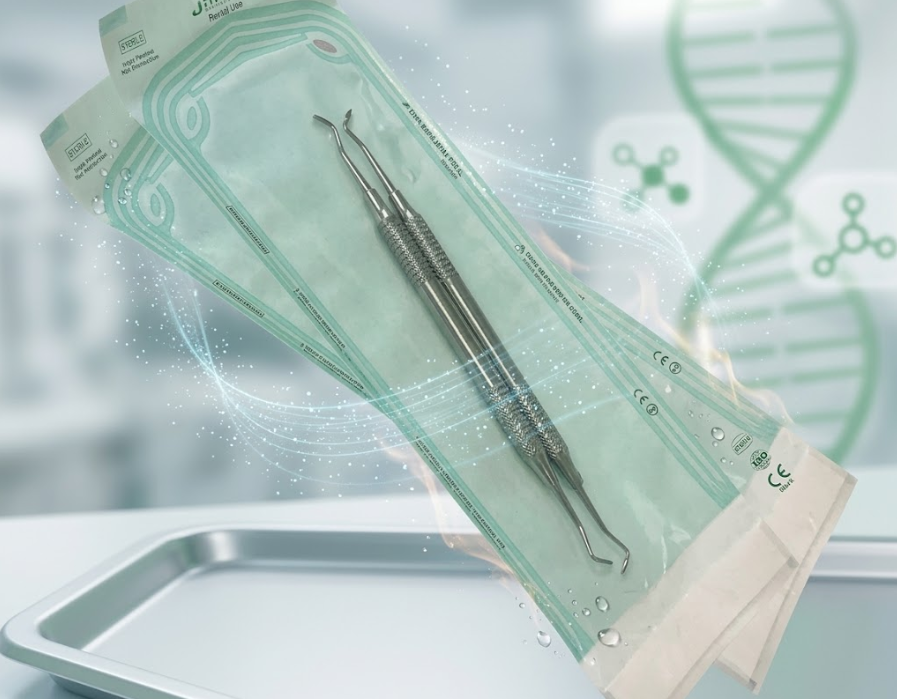


Sterilisation is essential in various industries, including the medical, dental, veterinary, scientific research, pharmaceutical, and certain industrial and manufacturing sectors. Optimising sterilisation processes and maintaining sterility thereafter is of paramount importance. Autoclave bags play an intrinsic role in achieving this.
KEY TAKEAWAYS
- Steam sterilisation using an autoclave is used in industries including medical, dental, pharmaceutical manufacturing, research laboratories, tattooing, piercing, and the beauty industry.
- Autoclave bags are sterilisation pouches that prevent recontamination during handling and storage before instruments need to be used again.
- Purchase high-quality self-sealing autoclave bags online from a reputable local distributor in Australia like Adam Dental Supplies.
What is Autoclaving?
Autoclaving is a steam sterilisation process. It uses highly pressurised steam inside an autoclave machine. This features a sealed chamber into which contaminated equipment and other materials are placed for sterilisation. The process combines steam, pressure, and time to kill bacteria, viruses, fungal spores, and other resistant microorganisms.
This system sterilises instruments, reusable equipment, labware, and decontaminates biological waste.
Sterilisation extends beyond the autoclaving process itself – and instrument handling thereafter is also crucial. As soon as autoclaved items are exposed to air, placed on surfaces, or are otherwise handled, they become vulnerable to contamination. This includes:
- Contact with non-sterile surfaces
- Touched by hands (even gloved hands)
- Exposure to airborne microorganisms
- Moisture exposure after drying
- During storage/transport
Appropriate packaging must be used to prevent contamination and maintain sterility after the autoclave cycle.
What Are Autoclave Bags?
Autoclave bags (also called sterilisation pouches) are single-use, specialised heat-resistant bags designed to sustain post-autoclaving sterility. They create a sealed barrier between the autoclaved instrument and the environment.
Most of these products are made primarily from medical-grade porous paper and transparent multi-layer plastic film (e.g. high-density polyethylene or polypropylene). The paper enables steam penetration into the pouch. The plastic film provides visibility, strength, and protection against contamination during later storage and handling.
Used or otherwise contaminated instruments are placed in self-sealing autoclave pouches; these are put into the autoclave. The application of extremely hot steam under high pressure inside the sterilisation chamber over a set time then freely penetrates the pouch and sterilises its contents by killing microbes on every surface of the instrument. The pouch provides an impenetrable barrier thereafter until the seal is broken. This maintains sterility within the bag and prevents recontamination during storage and handling.
Who Uses Autoclave Bags?
These pouches are a reliable, practical hygiene solution widely used in:
- Medical industry: dental clinics, surgical settings, general healthcare settings
- Veterinary clinics
- Tattoo and piercing studios
- Beauty and nail salons
- Podiatry clinics
- Pathology settings
- Pharmaceutical facilities
- Aged care facilities
- Laboratories (research, microbiological, and industrial)
Fast FAQs
While not essential for autoclaving, using these bags is highly recommended to support infection control and compliance. Their use dramatically reduces contamination risks and removes uncertainty over whether an instrument has been sterilised and remains sterile.
Sterilisation pouches should be puncture-resistant, have a seamless bottom, and be labelled appropriately for steam penetration compliance and biohazard status.
Sterilised instruments, provided the bag remains sealed and intact, can be stored long-term in their autoclave bags in a clean, dry place.
These pouches are not suitable for reuse.
Conclusion
Reusable labware, medical instruments, dental tools, piercing and tattooing tools, and similar equipment must be sterilised properly and remain so until the moment they are next to be used. Autoclaving with the right autoclave bags provides an effective, user-friendly sterile barrier system that resists recontamination and boosts confidence for providers and their clients, and is essential to maintaining infection control and industry compliance.