
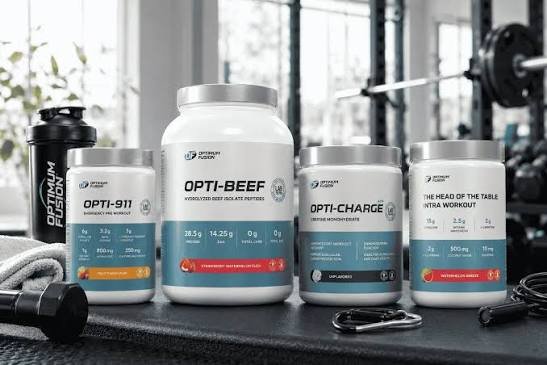


Anyone who spends time in a gym will notice the tubs of powder lining the shelves and the people sipping brightly coloured drinks before their session. Supplements designed to be taken ahead of training have become hugely popular, but the labels can be confusing, and it isn’t always clear what deserves your attention.
A lot of gym-goers eventually wonder whether a pre workout is worth trying, and the honest answer is that it depends on your goals, your tolerance for caffeine and how well you already sleep, eat and recover. This guide explains what these products usually contain, what to check on the label and how to use them sensibly.
What These Supplements Usually Contain
Most formulas combine a handful of familiar ingredients. Caffeine is the most common, and it’s there to help you feel more alert and make hard efforts feel a little easier. Creatine is another regular, and it’s one of the most widely studied sports supplements, with a long track record of supporting short bursts of high-intensity effort.
Beta-alanine often features too. It can cause a harmless tingling sensation in the face and hands, which surprises first-timers but usually settles within an hour. Citrulline malate is frequently included in the hope of supporting blood flow during exercise, although the evidence for this is more mixed. You’ll also see B vitamins, which contribute to normal energy-yielding metabolism.
Check the Caffeine Content
Caffeine is where most people should look first. A single serving of a typical stimulant formula can contain around 200mg, which is roughly the amount in two mugs of coffee. Health authorities generally suggest that most adults keep their total intake to around 400mg a day from all sources, and lower than that during pregnancy.
Remember to count everything. Tea, coffee, fizzy drinks and energy drinks all add up, so a scoop on top of a few cups of coffee can push you well past what you’re used to. If you’re sensitive to caffeine, start with half a serving and see how you feel before going any further.
Stimulant-Free Options
Not everyone wants caffeine, especially if they train in the evening. Stimulant-free formulas leave it out and tend to focus on ingredients such as citrulline and beta-alanine instead. You won’t get the same alertness boost, but they can be a sensible choice if caffeine makes you jittery, affects your sleep or simply doesn’t agree with you.
When and How to Take Them
Follow the directions on the label, and don’t assume more is better. Most people mix a serving with water around 20 to 30 minutes before training, which gives the ingredients time to be absorbed.
Timing matters for sleep, too. Caffeine can stay in your system for several hours, so an evening session fuelled by a stimulant formula may leave you wide awake at bedtime. As a rule of thumb, many people avoid caffeine for at least six hours before they plan to sleep. If you train late, a stimulant-free option is usually the smarter choice.
Who Should Be Cautious
These products aren’t suitable for everyone. They’re not intended for people under 18, and anyone who is pregnant or breastfeeding should avoid high-caffeine supplements unless a health professional says otherwise. If you have a heart condition, high blood pressure, anxiety or take regular medication, speak to your GP or pharmacist before trying one.
It’s also worth stopping if you experience palpitations, dizziness, nausea or unusual restlessness. Those are signs the dose or the ingredients don’t suit you.
How to Read the Label
A good label tells you exactly how much of each ingredient is in a serving. Be wary of “proprietary blends” that list ingredients without amounts, because you can’t tell whether there’s a meaningful dose of anything. Check the serving size, the number of servings per tub and the caffeine content per scoop.
Look for signs of quality control, such as batch testing or independent certification, especially if you compete in tested sport. Check the allergen information and the sweeteners used, and be sceptical of any product making dramatic promises about fat loss or overnight muscle gain.
Don’t Skip the Basics
No supplement will make up for poor sleep, an inconsistent diet or a training plan that isn’t working. Eating a proper meal two to three hours before a session, drinking enough water and getting seven to nine hours of sleep will do far more for your performance than any powder.
If you’re low on energy at the gym, ask yourself a few honest questions first. Are you eating enough? Are you sleeping well? Is your programme giving you enough recovery? A banana and a coffee might be all you need.
Final Thoughts
Supplements taken before training can be a useful extra for some people, but they work best as a small part of a sensible routine. Know what’s in the tub, keep an eye on your total caffeine, take them at the right time and listen to your body. Start low, stay consistent with the basics and you’ll be in a much better position to judge whether they’re doing anything for you.