
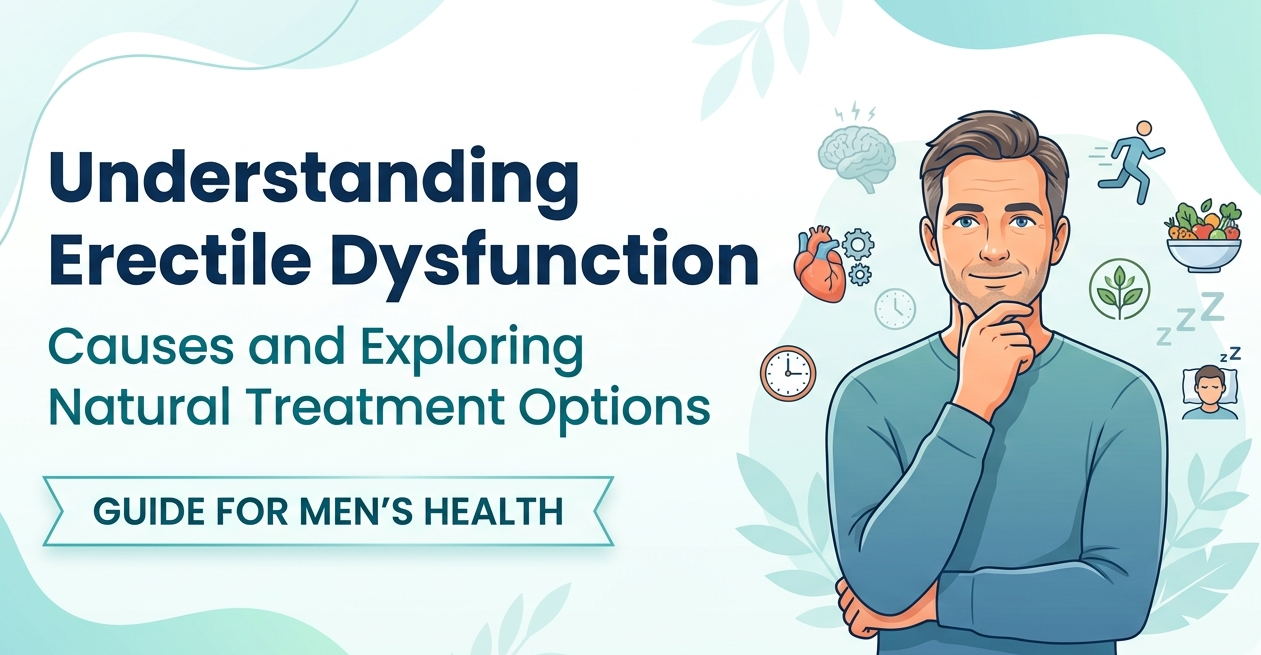

 is a common condition affecting many men, significantly impacting their physical and mental well-being.)
Introduction to Erectile Dysfunction
Erectile dysfunction (ED) is a medical condition characterized by the persistent inability to achieve or maintain an erection sufficient for satisfactory sexual performance. This condition can affect men of various ages, although its prevalence increases with age. Numerous studies suggest that approximately 30 million men in the United States experience some degree of erectile dysfunction, with the prevalence rate estimated to be around 5% for men in their 40s and rising to as high as 15-25% for men over the age of 65. This growing concern not only affects physical health but also has significant implications for mental well-being and relationships.
The impact of erectile dysfunction extends beyond the bedroom, often leading to emotional stress, anxiety, and reduced self-esteem. Men experiencing ED may find themselves feeling isolated or embarrassed, potentially causing a strain on intimate relationships. Statistics indicate that nearly 70% of men with erectile dysfunction report feeling less confident, which can further complicate interpersonal connections.
Understanding erectile dysfunction involves recognizing its multifactorial origins, which can include physical health conditions such as diabetes, cardiovascular diseases, and hormonal imbalances, as well as psychological factors like stress, depression, and anxiety. It is crucial for men facing this issue to realize that they are not alone and that there are various approaches for managing and treating this condition.
Moreover, exploring natural treatment options has gained popularity in recent years, providing men with alternatives that may complement or serve as substitutes for conventional medications. Knowledge of both the causes of erectile dysfunction and the available treatment options is essential for men seeking to navigate this challenging health issue. Addressing erectile dysfunction can be a vital step in enhancing overall quality of life and fostering healthier relationships.
Physical Causes of Erectile Dysfunction
Erectile dysfunction (ED) is a complex condition that may arise from various physical causes, each playing a crucial role in the ability to achieve and sustain an erection. One of the primary contributors to ED includes vascular diseases. These disorders hinder blood flow to the penis, a fundamental requirement for achieving an erection. Conditions such as atherosclerosis, which involves the hardening of arteries, can significantly impair blood circulation, leading to difficulties in erectile function.
Another significant factor is diabetes. Men with diabetes are at an increased risk of developing ED due to potential damage to blood vessels and nerves caused by elevated blood sugar levels. This condition can disrupt the delicate interplay between the brain’s signals and the physiological responses required for an erection, further complicating sexual health.
Hormonal imbalances also contribute to erectile dysfunction, particularly low testosterone levels. Testosterone, being a vital hormone in male sexual function, if deficient, can lead to reduced libido and erectile issues. Age-related hormonal changes may also exacerbate this condition, as the body’s natural testosterone production tends to decline with increasing age.
Neurological disorders, such as multiple sclerosis or Parkinson’s disease, can interfere with the nerve signals essential for the erection. Damage to these nerve pathways can occur through both direct injury and indirect effects such as poor blood flow or hormonal changes, further complicating the ability to achieve an erection.
Understanding these physical causes of erectile dysfunction allows for a more targeted approach when considering treatment options. Addressing these underlying conditions is vital in formulating a comprehensive strategy to manage ED effectively.
Erectile dysfunction (ED) is not solely a physical ailment; it can also be deeply rooted in psychological factors. Mental and emotional well-being significantly influence sexual performance, and various psychological conditions can contribute to the onset of ED. Among these, anxiety and depression are the most common culprits. Anxiety, particularly performance anxiety, creates an overwhelming fear of sexual failure, which can inhibit arousal and lead to erectile dysfunction. Similarly, depression can diminish libido and interest in sexual activities, making it difficult for individuals to achieve or maintain an erection.
Stress is another significant psychological factor that can lead to erectile dysfunction. Daily life stressors, whether from work, relationships, or financial issues, can result in a heightened state of mental strain. This stress not only takes a toll on overall health but also disrupts the body’s natural hormonal balance, potentially leading to difficulties in achieving an erection. Furthermore, relationship problems, such as poor communication, unresolved conflicts, or lack of intimacy, can compound these issues, creating a vicious cycle where psychological distress exacerbates erectile dysfunction.
The interplay between psychological factors and sexual health underscores the need for a holistic approach to treating ED. Addressing emotional and mental barriers is as crucial as tackling physical ones. Engaging in therapy, whether it be cognitive behavioral therapy or couples counseling, can provide significant relief. Additionally, practicing stress management techniques, such as mindfulness and relaxation exercises, can help alleviate performance pressure and support improved sexual function. By recognizing the psychological causes of erectile dysfunction and seeking appropriate support, individuals can break the cycle of dysfunction and regain confidence in their sexual health.
Lifestyle Factors Contributing to Erectile Dysfunction
Erectile dysfunction (ED) is a multifaceted condition influenced significantly by various lifestyle choices. Among the most notable contributors to this condition are smoking, excessive alcohol consumption, a poor diet, and a lack of physical activity. These factors can adversely affect blood circulation, hormone levels, and overall health, leading to challenges in achieving or maintaining an erection.
Smoking is one of the most detrimental habits affecting erectile function. The harmful chemicals found in cigarettes can impair blood flow and damage blood vessels, which is critical for achieving an erection. Studies indicate that men who smoke are more likely to experience complications related to ED compared to non-smokers. Quitting smoking can markedly improve erectile function and overall well-being.
Similarly, excessive alcohol intake is linked to ED. While moderate drinking may have some health benefits, large quantities of alcohol can negatively impact sexual performance and libido. Alcohol is a depressant, which can hinder nerve signals and reduce sexual arousal. By moderating alcohol consumption, individuals may restore their erectile function and enhance their sexual health.
A poor diet, particularly one high in saturated fats and sugars, can lead to obesity, diabetes, and cardiovascular diseases, all of which are risk factors for ED. Consuming a nutrient-rich diet, abundant in fruits, vegetables, whole grains, and lean proteins, supports overall health and can help prevent erectile dysfunction.
Lack of exercise is another critical lifestyle factor. Engaging in regular physical activity aids in weight management, improves cardiovascular health, and enhances blood flow—all of which are vital for erectile function. Incorporating exercise into daily routines can significantly lower the risk of developing ED and may help improve existing symptoms.
Incorporating healthy habits, such as quitting smoking, moderating alcohol intake, eating a balanced diet, and maintaining an active lifestyle, is essential in preventing and managing erectile dysfunction effectively. These changes not only promote sexual health but also improve overall quality of life.
Natural Treatments for Erectile Dysfunction
Erectile dysfunction (ED) is a complex condition that affects many men. While conventional treatments such as medication and therapy are widely used, there is a growing interest in natural treatment options. These alternatives can be particularly appealing due to their potential to minimize side effects and promote overall well-being.
One significant category of natural treatments is herbal remedies. Herbs such as ginseng, maca root, and horny goat weed have been traditionally used to enhance sexual performance and improve libido. Ginseng, for instance, has been shown to have positive effects on erectile function, possibly due to its ability to improve nitric oxide levels, which are crucial for achieving an erection. However, it’s essential to consult a healthcare professional before trying any herbal supplement, as interactions with other medications may occur.
Dietary changes can also play a vital role in managing erectile dysfunction. A diet rich in fruits, vegetables, whole grains, and lean proteins can benefit blood circulation and overall cardiovascular health, which is critical for sexual function. Fruits such as watermelon contain an amino acid called citrulline, which may help improve blood flow. Additionally, reducing saturated fat and increasing intake of omega-3 fatty acids can further support vascular health.
Another effective natural treatment is exercising regularly. Physical activity can help maintain a healthy weight, reduce stress, and improve overall blood circulation. Specific exercises, such as Kegel exercises, can strengthen pelvic floor muscles, supporting erectile function. Furthermore, cardiovascular exercises like running or swimming enhance heart health, which is directly linked to erectile performance.
In conclusion, while natural treatments for erectile dysfunction can offer promising alternatives or adjuncts to conventional therapies, it is crucial to approach these options thoughtfully and under medical supervision. Incorporating herbal remedies, dietary changes, and exercise into one’s routine may improve erectile function and overall health.
Role of Diet in Managing Erectile Dysfunction
The dietary choices that individuals make can significantly influence various health aspects, including erectile function. Research indicates that consuming a balanced diet can promote vascular health, which is crucial for achieving and maintaining an erection. Foods that elevate nitric oxide levels in the body help to widen blood vessels and improve blood flow, ultimately benefiting erectile function.
Fruits and vegetables rich in antioxidants, such as berries, oranges, and leafy greens, are known to support overall cardiovascular health. Antioxidants combat oxidative stress, a factor that can negatively affect blood flow. Moreover, certain nuts, such as walnuts and almonds, are beneficial due to their omega-3 fatty acids content, which enhances blood circulation and supports heart health.
Additionally, nutrients like zinc and magnesium play a pivotal role in testosterone production, a hormone essential for sexual arousal and function. Foods such as oysters, pumpkin seeds, and spinach can improve testosterone levels, thereby enhancing sexual health. Lean proteins, including fish and poultry, contribute to maintaining a healthy body weight and hormonal balance, both of which are crucial for optimal erectile function.
When planning meals, incorporating a variety of these nutrient-rich foods is essential. It may be beneficial to aim for a Mediterranean-style diet, which emphasizes whole grains, healthy fats, and ample fruits and vegetables. This dietary pattern not only supports sexual health but also promotes overall wellness. Limiting processed foods, excessive sugars, and saturated fats is advisable, as these can lead to weight gain and poor cardiovascular health, exacerbating erectile dysfunction symptoms.
Physical Exercise and Erectile Dysfunction
Regular physical activity plays a critical role in improving overall health and reducing the risk of erectile dysfunction (ED). Various studies have indicated that men who engage in consistent exercise are less likely to experience ED compared to those who lead sedentary lifestyles. The correlation between physical fitness and sexual health can be attributed to several factors, including improved cardiovascular health, enhanced blood flow, and reduced stress levels. Each of these aspects is vital for maintaining erectile function.
There are several types of exercises that can yield significant benefits for men dealing with ED. Cardiovascular exercises, such as jogging, cycling, and swimming, help to strengthen the heart and vascular system. By enhancing blood circulation, these activities ensure that adequate blood flow reaches the penis, critical for achieving and maintaining an erection. Furthermore, strength training exercises, including weight lifting, can also contribute positively by boosting testosterone levels, which plays an essential role in male sexual health.
In addition to aerobic and strength training exercises, pelvic floor exercises, commonly known as Kegel exercises, can be particularly effective for improving erectile function. These exercises target the muscles of the pelvic floor, enhancing control over urination and ejaculation, which can contribute to overall sexual performance. Incorporating physical activity into one’s daily routine does not need to be daunting; even moderate activities, such as brisk walking or gardening, can provide substantial benefits.
Moreover, engaging in regular exercise has been shown to alleviate mental health issues, such as anxiety and depression, which are known contributors to erectile dysfunction. The release of endorphins during physical activity promotes a sense of well-being, helping men feel more confident and relaxed. In conclusion, integrating physical exercise into one’s lifestyle stands as a natural treatment option that not only reduces the risk of erectile dysfunction but also enhances overall well-being.
Stress Management Techniques for Improving Sexual Health
Stress is an often-overlooked factor that can significantly impact sexual health, including conditions such as erectile dysfunction (ED). Managing stress effectively can lead to improvements in sexual performance, relationship satisfaction, and overall well-being. Various techniques, notably mindfulness, meditation, and yoga, have been shown to reduce stress levels and enhance sexual health.
Mindfulness involves focusing on the present moment with an open and non-judgmental attitude. This practice can help individuals better manage anxiety and physical tension that may contribute to ED. By cultivating awareness of thoughts and feelings, individuals can learn to navigate stressful situations more effectively, minimizing their impact on sexual function.
Meditation serves as another powerful tool for stress reduction. This practice encourages relaxation and mental clarity, helping individuals disconnect from daily stressors. Studies have indicated that regular meditation can decrease cortisol levels—the body’s primary stress hormone—thereby potentially improving sexual health. Engaging in guided or unguided meditation sessions can foster a sense of calm, significantly alleviating feelings of inadequacy or anxiety that can accompany erectile dysfunction.
Yoga is yet another beneficial method for stress management. Combining physical postures, breath control, and meditation, yoga promotes relaxation, physical fitness, and mental clarity. Specific yoga poses are believed to enhance blood circulation and relieve tension, contributing positively to sexual performance. Regular practice can help cultivate physical strength, improve flexibility, and increase body awareness, all of which can enhance sexual experiences.
Integrating these techniques into daily life can help reduce the overall stress burden, fostering an environment conducive to improved sexual health. By prioritizing stress management, individuals can make significant strides in overcoming ED and enhancing their intimate relationships.
Consulting Healthcare Professionals
Seeking professional advice for erectile dysfunction (ED) is vital for understanding its underlying causes and exploring appropriate treatment options. Commonly, men may experience hesitance in discussing ED due to feelings of embarrassment or the stigma associated with sexual health issues. However, addressing these concerns openly with healthcare professionals is essential for effective management. A healthcare provider can offer insights on the potential psychological, physical, or lifestyle factors contributing to ED.
It is advisable to consult a healthcare provider when symptoms of erectile dysfunction become frequent or significantly impact emotional well-being and relationship dynamics. Early intervention can be crucial in identifying and addressing conditions that might lead to more severe health concerns, such as cardiovascular disease or diabetes. Typically, a healthcare professional may initially assess medical history, conduct a physical examination, and, if necessary, order blood tests to identify any underlying health issues.
When preparing for a consultation regarding erectile dysfunction, patients should consider compiling information regarding their symptoms, any medications they currently take, and their personal and family medical histories. This preparation can assist the healthcare provider in making informed decisions regarding diagnostics and potential treatment pathways.
Moreover, approaching the conversation about ED can be made easier through openness and honesty. It may be beneficial to express concerns about symptoms directly, fostering a comfortable dialogue. Patients should feel empowered to ask questions about potential treatment options, including lifestyle modifications, therapy, or medication. Discussing concerns about prescription medications should also be a priority, ensuring that the most suitable and least invasive treatment approach is pursued.
In conclusion, discussing erectile dysfunction with a healthcare professional is an important step toward understanding the condition and exploring suitable treatment solutions effectively. Engaging in these discussions can lead to improved health outcomes and enhanced quality of life.