


Understanding Seasonal Illnesses
Seasonal illnesses refer to a range of health conditions that are more prevalent during specific times of the year. These include common ailments such as colds, influenza, and various allergies. The onset of these illnesses can often be linked to changing environmental factors, including temperature fluctuations, humidity levels, and the resurgence of seasonal allergens. Understanding the types of seasonal illnesses can help individuals better prepare for and manage their symptoms.
Colds and the flu, both caused by viral infections, tend to peak during the colder months, particularly from late fall to early spring. The cold weather forces people indoors, leading to closer proximity and, consequently, a higher chance of transmission of these viruses. Symptoms often include a runny or stuffy nose, cough, sore throat, body aches, and, occasionally, fever. The flu can be more severe than a common cold and may sometimes lead to serious complications requiring medical attention.
In addition to viral infections, seasonal allergies—often triggered by pollen from trees, grasses, and weeds—are typically observed in spring and early fall. Many individuals experience symptoms such as sneezing, itchy eyes, and nasal congestion when exposed to specific allergens present in their environment during these times. Understanding the environmental conditions and triggers that lead to seasonal illnesses is essential for effective prevention and management.
Overall, knowledge of the timing and nature of seasonal illnesses plays a crucial role in maintaining good health throughout the year. By identifying the common factors associated with these conditions, individuals are better equipped to implement preventive strategies and enhance their well-being.
Importance of Prevention
Preventing seasonal illnesses is essential for maintaining public health, improving individual well-being, and ensuring productivity across various sectors. Seasonal illnesses, including influenza and cold-related conditions, significantly affect populations globally. For instance, the Centers for Disease Control and Prevention (CDC) estimates that influenza alone results in between 9 and 45 million illnesses annually in the United States, underscoring the widespread nature of these diseases.
The economic implications of seasonal illness are profound, as they lead to increased healthcare costs and lost productivity. A report by the National Institute of Allergy and Infectious Diseases highlights that seasonal flu-related hospitalizations and medical visits can cost the health system upwards of $87 billion each year. This staggering amount illustrates the burden that seasonal illnesses impose not just on individual patients but also on healthcare systems and the economy at large.
Moreover, seasonal illnesses can severely hinder personal quality of life. Individuals affected by such illnesses may experience symptoms ranging from mild discomfort to severe debilitation, significantly reducing their ability to perform daily activities and responsibilities. In addition, these illnesses can present risks for vulnerable populations such as the elderly and those with preexisting health conditions, leading to complications that may require intensive care.
Preventative measures, such as vaccination, proper hygiene practices, and public health campaigns, play a pivotal role in diminishing the incidence of seasonal illnesses. Studies have shown that vaccination can reduce the risk of flu-related hospitalization by 40-70% in the general population. By fostering community awareness and encouraging preventive measures, the incidence of these illnesses can be significantly reduced, ultimately leading to healthier populations and increased productivity.
Boosting Your Immune System
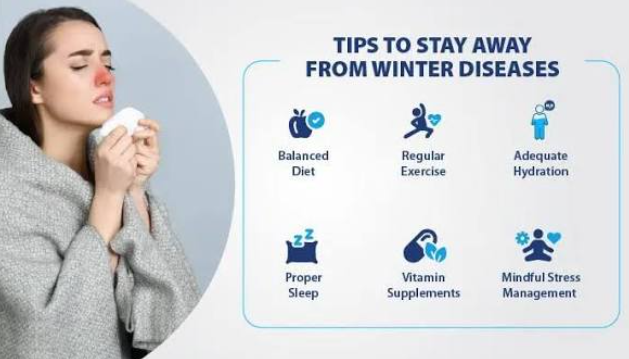
Strengthening the immune system is essential, especially during seasonal changes when illnesses are more prevalent. A well-functioning immune system helps the body fend off infections and recover from illnesses more rapidly. By incorporating certain dietary practices, exercise routines, and lifestyle adjustments, individuals can significantly enhance their immune response.
Diet plays a pivotal role in immune system health. Consuming a variety of fruits and vegetables can provide the necessary vitamins and minerals that support immune function. Vitamins such as C and D, along with minerals like zinc, have been linked to improved immune response. Foods rich in these nutrients include citrus fruits, leafy greens, nuts, and seeds. Additionally, incorporating fermented foods, such as yogurt and kefir, can also benefit gut health, which is closely related to immune function.
Regular physical activity is another fundamental aspect of boosting immunity. Engaging in moderate exercise can improve circulation, enabling immune cells to travel more efficiently throughout the body. Aim for at least 150 minutes of moderate-intensity exercise per week, such as brisk walking, cycling, or swimming. Exercise also helps lower stress levels, which can contribute to a stronger immune response.
Lifestyle changes can further bolster the immune system and promote overall health. Prioritizing sufficient sleep is critical, as restorative sleep aids in the regulation of immune responses. Managing stress through techniques such as mindfulness, meditation, or yoga can also reduce the negative impact stress has on the immune system. Additionally, avoiding smoking and excessive alcohol consumption is vital, as both can impair immune function.
In conclusion, by adopting a balanced diet rich in essential vitamins and minerals, committing to regular physical activity, and making positive lifestyle choices, individuals can effectively boost their immune system. These practices not only reduce the risk of seasonal illnesses but also contribute to overall well-being.
Hygiene Practices to Implement
Implementing effective hygiene practices is essential in preventing the spread of seasonal illnesses such as colds and flu. One of the most fundamental actions to adopt is the frequent washing of hands with soap and water for at least 20 seconds. This practice removes germs acquired from various surfaces, which is particularly crucial during the flu season when the transmission of viruses peaks. If soap and water are not available, the use of hand sanitizer that contains at least 60% alcohol is a recommended alternative.
Avoiding close contact with individuals who exhibit symptoms of illness is another crucial hygiene practice. This is especially significant in shared environments such as workplaces, schools, and public transport where the risk of transmitting germs is heightened. Maintaining a reasonable distance can reduce the likelihood of inhaling respiratory droplets that may carry illness-causing pathogens.
Moreover, it is imperative to maintain cleanliness in communal spaces. Regularly disinfecting frequently touched surfaces such as doorknobs, light switches, and kitchen counters can significantly lower the risk of germ transmission. Establishing a routine cleaning schedule ensures that these surfaces remain free from germs that can lead to seasonal illness.
In addition to individual actions, promoting a culture of hygiene within communities can be beneficial. Encouraging others to adopt handwashing and sanitization practices supports a healthier environment for all, further reducing the prevelance of seasonal illnesses. Overall, by consistently practicing proper hygiene, one can contribute to the collective effort of minimizing the spread of germs, thus protecting oneself and others during the susceptibility of seasonal illnesses.
The Role of Vaccinations
Vaccinations play a crucial role in preventing seasonal illnesses and protecting public health. Among these, influenza vaccines are particularly significant as they help reduce the incidence and severity of flu outbreaks. Seasonal influenza is a contagious respiratory illness caused by influenza viruses that can lead to moderate to severe illness and even result in hospitalization or death, especially among vulnerable populations such as the elderly, young children, and individuals with certain health conditions.
The effectiveness of vaccines varies from year to year, depending on the match between the vaccine strains and circulating viruses. However, vaccinations remain one of the most effective ways to combat seasonal respiratory diseases. According to the Centers for Disease Control and Prevention (CDC), flu vaccines reduce the risk of flu illness by between 40% to 60% during seasons when the circulating viruses are well-matched to the vaccine.
Recommended vaccination schedules suggest that adults should receive the influenza vaccine annually, ideally before the start of the flu season, which typically begins in October and can last until May. Children may also require a different schedule, particularly if they are receiving the vaccine for the first time, which may involve getting two doses spaced several weeks apart. Besides influenza, individuals are encouraged to consider vaccinations for other preventable diseases such as pneumococcal pneumonia and shingles, especially as they age.
Overall, vaccines not only protect individuals but also contribute to community immunity, reducing the overall spread of contagious diseases. Vaccination rates play a pivotal role in maintaining public health. It is essential for individuals to consult their healthcare providers regarding their vaccination history and any recommended vaccines, particularly as seasonal diseases become more prominent in certain months.
Staying Active and Healthy
Maintaining physical activity during seasonal changes is crucial in boosting the body’s immune system, helping to fend off illnesses that are more prevalent during certain times of the year. Regardless of the weather conditions, there are numerous ways to stay active and promote overall health.
Indoor exercises serve as an effective option when outdoor conditions are less than favorable. Activities such as yoga, pilates, and high-intensity interval training (HIIT) can easily be performed in the comfort of your home. Moreover, many online platforms offer guided workout sessions, making it accessible for individuals of all fitness levels to participate. Engaging in strength training with weights or resistance bands is equally beneficial. These exercises not only enhance muscle strength but also improve overall physical endurance.
On the other hand, outdoor activities can be invigorating and provide a refreshing break from indoor settings. During milder weather, consider walking, jogging, or biking in a local park, where you can enjoy the beauty of nature. As the seasons shift, activities such as hiking may become more popular, allowing you to explore new trails while engaging in cardiovascular exercise. When winter arrives, snow-based activities like skiing or snowshoeing can keep you active while providing a fun way to embrace the seasonal environment.
Additionally, incorporating stretches and mobility exercises into your daily routine can enhance flexibility and reduce the risk of injury, no matter the season. Finding a balance between indoor and outdoor activities ensures that fitness remains a priority, even when weather changes pose challenges. In this manner, staying active ultimately contributes to a stronger immune system and a healthier lifestyle.
Healthy Eating Habits
Maintaining a healthy diet plays a vital role in strengthening the immune system and preventing seasonal illnesses. A balanced diet that is rich in fruits, vegetables, and whole grains provides essential nutrients that support overall health and wellness. Incorporating a variety of these food groups can help to ensure that your body receives the vitamins and minerals necessary for optimal immune function.
Fruits and vegetables, in particular, are packed with antioxidants, vitamins, and fiber, all of which are critical for immune health. Citrus fruits, such as oranges and grapefruits, are high in vitamin C, which is known to boost immune response. Similarly, leafy greens such as spinach and kale are rich in vitamins A and C, along with other antioxidants that help combat pathogens. Root vegetables, such as carrots and sweet potatoes, are excellent sources of beta-carotene, which the body converts to vitamin A, further supporting immune function.
In addition to fruits and vegetables, whole grains like brown rice, quinoa, and oats are important for maintaining energy levels and providing sustained fuel for the body. Whole grains also contain important nutrients such as B vitamins and zinc, both of which play vital roles in immune health. Incorporating seasonal foods, such as pumpkins in the fall or berries in the summer, can not only enhance the flavor of your meals but also ensure that you are consuming a variety of nutrients that are at their peak during specific times of the year.
Avoiding overly processed foods, which can be high in sugars and unhealthy fats, is also crucial when aiming to maintain a strong immune system. Instead, focus on whole, nutrient-dense foods that promote health and support your body during seasonal changes. By prioritizing healthy eating habits, you can significantly reduce your risk of illness during the changing seasons while enhancing your overall well-being.
Managing Stress and Mental Health
The relationship between mental health and physical well-being is particularly pronounced during seasonal changes. Variations in daylight, temperature, and weather can significantly impact mood and overall mental health. For example, the onset of winter often brings about reduced sunlight exposure, which may lead to conditions such as Seasonal Affective Disorder (SAD). This seasonal type of depression can reduce energy levels and negatively affect one’s immune system, increasing susceptibility to illnesses. Therefore, managing stress and anxiety effectively becomes crucial during these times.
To promote better mental health and, consequently, physical health, it is important to implement various strategies. First, prioritizing a well-balanced diet can significantly improve mood stability. Nutritional choices that include omega-3 fatty acids, whole grains, and a variety of fruits and vegetables support brain health and reduce feelings of anxiety.
Physical activity is another essential element in managing stress. Engaging in regular exercise not only boosts physical health but also releases endorphins, which are natural stress relievers. Even simple practices like walking outdoors can provide a mental reset and alleviate seasonal anxiety.
Mindfulness and relaxation techniques, such as meditation, yoga, or deep-breathing exercises, can also be beneficial in managing stress during seasons that may otherwise lead to discomfort. These practices foster a greater sense of calm and help individuals stay grounded amidst seasonal fluctuations.
Finally, maintaining social connections is vital for mental health. Participating in community activities or simply reaching out to friends and family can ward off feelings of isolation that often occur during seasonal transitions. Utilizing support networks not only strengthens personal relationships but also offers emotional assistance during challenging times.
Recognizing Symptoms and Seeking Help
Identifying the early signs of seasonal illnesses is crucial for timely intervention and effective management. Common symptoms may include a runny or stuffy nose, sneezing, fatigue, and a cough. In some cases, symptoms such as fever, body aches, and chills may also arise, indicating a more serious infection. It is essential to distinguish between mild seasonal allergies and more severe illnesses like influenza or COVID-19, which require immediate attention.
When experiencing mild symptoms, individuals are encouraged to monitor their condition closely. A common cold might present with symptoms such as a sore throat or a mild headache, which often resolve within a few days with self-care measures like rest and hydration. However, if symptoms persist beyond a week or worsen, consulting a healthcare professional becomes necessary.
Furthermore, there are specific signaling factors that should prompt immediate medical consultation. For instance, if you experience shortness of breath, chest pain, high fever, or prolonged vomiting, it is vital to seek professional help without delay. Additionally, those with pre-existing health conditions, such as asthma or diabetes, should remain vigilant, as seasonal illnesses can exacerbate these conditions.
Another point of consideration is determining when to seek assistance during flu season or heightened allergy prevalence. If over-the-counter medications fail to alleviate symptoms or if they experience significant discomfort or fatigue, it may signify an underlying concern that warrants professional evaluation.
Overall, being proactive about recognizing symptoms and knowing when to consult a medical professional can play a crucial role in preventing seasonal illnesses from escalating into more severe health issues. Early intervention is key to effective treatment and quicker recovery.