


Introduction to Heart Disease
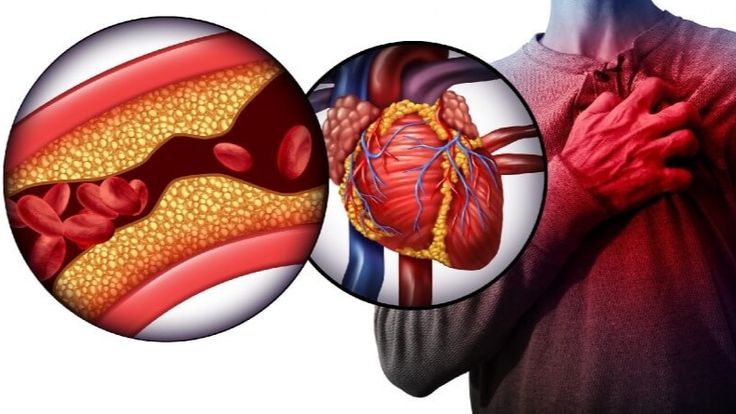
Heart disease remains one of the leading causes of morbidity and mortality worldwide, affecting millions of individuals each year. This broad term encompasses various conditions related to the heart, including coronary artery disease, arrhythmias, and heart defects, among others. According to the World Health Organization, cardiovascular diseases claim approximately 17.9 million lives globally each year, which highlights the urgent need for effective prevention strategies.
The causes of heart disease are multifaceted, often intertwining genetic, environmental, and lifestyle factors. While some individuals may be predisposed due to family history or congenital issues, many of the contributing factors are modifiable. Key risk factors include hypertension, high cholesterol levels, obesity, physical inactivity, smoking, and excessive alcohol consumption. Furthermore, diabetes and inflammatory diseases can exacerbate the likelihood of developing heart conditions.
Understanding these risk factors is crucial for prevention. Modifying lifestyle choices such as adopting a heart-healthy diet, engaging in regular physical activity, and avoiding tobacco smoke can significantly reduce the risk of heart disease. The emphasis on natural prevention methods is particularly important, as individuals seek ways to enhance their health without relying solely on pharmaceutical interventions. By integrating lifestyle changes, such as consuming nutrient-rich foods, staying hydrated, and managing stress, individuals can create a solid foundation for cardiovascular health.
In the following sections, we will explore various practical approaches to prevent heart disease naturally, illustrating the importance of making informed lifestyle choices to safeguard heart health. Understanding the significance of a proactive approach can empower individuals to take charge of their well-being and mitigate the risks associated with heart disease.
Understanding Risk Factors
Heart disease remains one of the leading health challenges globally, warranting a deep understanding of its associated risk factors. Knowledge of these factors is essential for tailoring effective prevention strategies that can considerably reduce risks. The primary risk factors can be categorized into genetic, age-related, dietary, and lifestyle choices.
Genetics undeniably play a pivotal role in an individual’s susceptibility to heart disease. A family history of heart conditions often indicates a higher risk, suggesting that inherited genetic traits may predispose certain individuals to cardiovascular issues. While genetic factors are uncontrollable, awareness can prompt proactive health monitoring and lifestyle modifications to mitigate this inherited risk.
Age is another significant risk factor, as the likelihood of developing heart disease increases with advancing age. The natural aging process affects the structure and function of the heart and blood vessels. Consequently, individuals over the age of 45 for men and 55 for women should be particularly vigilant about their cardiovascular health.
Diet plays a crucial role in heart disease prevention. A diet high in saturated fats, trans fats, and cholesterol can elevate cholesterol levels, increasing the risk of heart disease. Conversely, a balanced diet rich in fruits, vegetables, whole grains, and lean proteins can contribute significantly to heart health. Making conscious dietary choices can thus decrease risk factors linked to heart conditions.
Lastly, lifestyle choices, including physical activity levels, smoking, and alcohol consumption, substantially impact heart health. A sedentary lifestyle, smoking habits, and excessive alcohol intake have all been linked to elevated risks of heart disease. Engaging in regular physical activity, avoiding tobacco products, and moderating alcohol consumption are vital steps in promoting cardiovascular health.
In summary, understanding these risk factors is integral for everyone. By identifying and addressing genetic predispositions, age-related changes, dietary habits, and lifestyle choices, individuals can implement tailored preventive measures against heart disease.
The Role of Diet in Heart Health
The impact of diet on heart health is paramount, as what we consume can directly influence cardiovascular well-being. A heart-healthy diet comprises a variety of nutrient-rich foods that contribute to maintaining optimal heart function and reducing the risk of heart disease. Among the most effective dietary patterns, the Mediterranean diet has received widespread recognition for its protective effects against cardiovascular conditions.
The Mediterranean diet emphasizes whole grains, fruits, vegetables, legumes, nuts, and healthy fats, mainly sourced from olive oil. This diet is not only rich in fiber, vitamins, and minerals but also promotes the intake of omega-3 fatty acids found in fish, which are known to lower blood pressure and reduce cholesterol levels. Incorporating such heart-healthy foods can significantly optimize one’s nutrient intake and support overall cardiovascular health.
In contrast, it is crucial to be mindful of foods that can adversely affect heart health. Diets high in saturated fats, sugars, and processed foods should be limited, as these can contribute to the development of atherosclerosis, high blood pressure, and increased cholesterol levels. Reducing the consumption of red meats, fried foods, and sugary beverages helps mitigate these risks and promotes a healthier heart. Additionally, replacing refined grains with whole grains and sugar-sweetened foods with fruits can enhance cardiovascular protection.
Overall, adopting a diet rich in fruits, vegetables, lean proteins, and healthy fats, while minimizing the intake of unhealthy substances, plays a significant role in preventing heart disease naturally. Such dietary choices not only fortify heart health but also improve general well-being, making them fundamental components of a heart-healthy lifestyle.
Exercise and its Heart Benefits
Engaging in regular physical activity is paramount to preventing heart disease and enhancing overall cardiovascular health. Various studies underscore that exercise can significantly lower the risk of heart disease by improving cholesterol levels, decreasing blood pressure, and helping to maintain a healthy weight. Ideally, adults should aim for at least 150 minutes of moderate-intensity aerobic activity or 75 minutes of vigorous-intensity activity weekly, complemented by strength training exercises on two or more days each week.
Moderate-intensity exercises include brisk walking, swimming, or cycling, while vigorous-intensity exercises could entail running or engaging in high-intensity interval training. Incorporating a variety of activities not only keeps the routine engaging but also ensures that different muscle groups are targeted, promoting overall fitness and health. Additionally, balance and flexibility exercises, such as yoga or tai chi, are beneficial as they enhance overall body function and can help prevent injuries.
The benefits of regular exercise extend beyond simply mitigating the risks of heart disease. Physical activity fosters better blood circulation which helps the heart more efficiently pump blood throughout the body. It also aids in managing stress levels and improving mood, both of which are crucial for maintaining cardiac health. The positive effects of exercise on mental well-being can reduce the likelihood of stress-induced behaviors such as smoking or overeating, which are known risk factors for heart disease.
In summary, embracing a routine that includes a mix of aerobic and strength training exercises significantly contributes to heart health. Not only does it help reduce the chances of developing heart-related conditions, but it also fosters a healthier lifestyle overall, proving essential for long-term cardiovascular well-being.
Stress Management Techniques
Stress has emerged as a significant factor contributing to heart disease, affecting both physical and mental well-being. When a person experiences stress, the body releases stress hormones such as adrenaline and cortisol, which can lead to increased heart rate and blood pressure, placing added strain on the cardiovascular system. Therefore, managing stress is crucial to enhancing heart health and preventing heart disease.
One effective technique for stress management is mindfulness. Mindfulness encourages individuals to focus on the present moment, helping to reduce anxiety and promote relaxation. Engaging in mindfulness practices has been shown to lower blood pressure and mitigate the physiological impact of stress, thereby supporting cardiovascular health.
Meditation is another powerful tool in combating stress. Through the practice of meditation, individuals can achieve a state of calm and clarity, which in turn can reduce tension in the body. Techniques such as deep-breathing exercises and guided visualizations have been recognized for their ability to decrease stress levels and enhance heart function. Regular meditation practice can lead to long-term stress reduction and improved emotional health, which is beneficial for the heart.
Yoga, known for its combination of physical postures, breathing exercises, and meditation, also plays a vital role in stress management. By promoting relaxation and increasing flexibility, yoga can not only help in reducing stress but also improve overall cardiovascular health. Studies indicate that regular yoga practitioners may experience lower heart rates and improved blood circulation, which are essential factors in preventing heart disease.
Incorporating these stress management techniques into daily routines can lead to meaningful changes in how individuals respond to stress. By prioritizing mindfulness, meditation, and yoga, people can effectively lower their stress levels and contribute to their heart health, thereby taking proactive steps toward preventing heart disease naturally.
Importance of Regular Health Screenings
Regular health screenings are a pivotal component in the pursuit of heart disease prevention. These screenings serve not only to evaluate current health status but also to identify risk factors associated with cardiovascular issues before they manifest into serious conditions. Regular check-ups with medical professionals enable individuals to monitor their heart health comprehensively.
One of the primary tests involved in these screenings is the evaluation of cholesterol levels. High levels of low-density lipoprotein (LDL) cholesterol can increase the risk of heart disease. Conversely, monitoring high-density lipoprotein (HDL) cholesterol—often referred to as “good” cholesterol—provides valuable insights into cardiovascular health. Engaging in routine lipid panels, usually recommended annually or biennially depending on one’s risk factors, can help detect any abnormalities early, allowing for timely intervention.
Blood pressure measurements are another critical component of regular health screenings. Hypertension, or high blood pressure, is often dubbed the “silent killer” as it usually presents no symptoms yet can lead to severe heart complications if left unchecked. Individuals should aim to have their blood pressure evaluated at least once a year to ensure that it remains within a healthy range. Prompt recognition of elevated blood pressure can lead to lifestyle modifications or medications that decrease heart disease risk.
Additionally, screenings that assess the risk of diabetes are essential, as diabetes is a significant risk factor for heart disease. Blood glucose testing can help identify pre-diabetic or diabetic states that require further lifestyle changes or medical interventions. Regular health screenings ultimately empower individuals by offering insights into their cardiovascular health, fostering early detection and facilitating preventive measures against heart disease. Through awareness and proactive healthcare, the process of prevention becomes an attainable goal.
Natural Supplements and Remedies
Heart disease remains one of the leading health concerns globally, prompting many to seek natural solutions for enhancing cardiovascular health. Among the various natural supplements and remedies, omega-3 fatty acids, garlic, and CoQ10 stand out for their proven benefits.
Omega-3 fatty acids, commonly found in fish oil, have been linked to numerous cardiovascular benefits. Regular consumption of omega-3s can help lower triglyceride levels, reduce inflammation, and improve overall heart health. It is recommended to incorporate fatty fish into your diet, such as salmon or mackerel, two or three times weekly. For those who prefer supplements, looking for high-quality fish oil capsules can be an effective alternative.
Garlic is another potent natural remedy known for its heart-healthy properties. It has been shown to help lower blood pressure, reduce cholesterol levels, and prevent the formation of plaque in arteries. Incorporating fresh garlic into daily meals or considering odorless garlic supplements can provide these cardiovascular benefits without overwhelming the palate.
Coenzyme Q10, or CoQ10, is a substance produced naturally by the body that plays a crucial role in energy production and acts as a powerful antioxidant. Research suggests that CoQ10 supplementation may improve heart function, particularly in individuals with heart disease. This supplement is available in various forms, including capsules and chewables, making it easy to include in a daily regimen.
While these supplements can significantly support heart health, it is essential to consult with a healthcare professional before adding them to your routine. Interactions with medications or underlying health conditions must be considered to ensure safety and efficacy. Understanding how to incorporate these natural remedies into your lifestyle can lead to improved cardiovascular wellness.
Creating a Heart-Healthy Lifestyle
Adopting a heart-healthy lifestyle is fundamental for preventing heart disease and promoting overall well-being. Individuals can initiate changes through meal planning, regular exercise, and shifting daily habits.
Meal planning plays a crucial role in heart health. Start by incorporating more fruits and vegetables into your diet, as these are rich in essential vitamins and minerals that support cardiovascular health. Whole grains, such as brown rice, quinoa, and whole-wheat bread, should replace refined grains to improve cholesterol levels and heart function. Additionally, including healthy fats from sources like avocados, nuts, and olive oil can help reduce the risk of heart disease. On the other hand, it is imperative to limit saturated fats, trans fats, and added sugars, which can contribute to weight gain and negatively impact heart health.
Regular physical activity is another pillar of a heart-healthy lifestyle. Aim for at least 150 minutes of moderate aerobic exercise each week. Activities such as brisk walking, swimming, or cycling can boost your heart health and improve mood. Incorporating strength training exercises at least twice a week can also be beneficial, as it helps build muscle and improve metabolic health. Finding enjoyable activities will enhance the likelihood of maintaining a consistent exercise routine.
Beyond diet and exercise, consider everyday habits that can further enhance heart health. Establishing a consistent sleep schedule is vital, as quality sleep supports overall cardiovascular function. Stress management techniques, such as mindfulness, yoga, or deep breathing exercises, can also play a significant role in reducing stress-related heart risks. Additionally, staying hydrated by drinking plenty of water and monitoring alcohol intake can contribute to improved heart health.
By purposefully creating a heart-healthy lifestyle through these manageable changes, individuals can significantly reduce their risk of heart disease and foster long-term wellness.
Conclusion and Encouragement for Action
In conclusion, maintaining heart health is a multifaceted approach that involves adopting various lifestyle changes. By making informed choices, individuals can take proactive steps towards preventing heart disease. Key strategies outlined throughout this blog include increasing physical activity, opting for a balanced diet rich in fruits, vegetables, and whole grains, and managing stress effectively. Each of these elements plays a crucial role in enhancing cardiovascular well-being.
Moreover, incorporating heart-healthy habits into daily routines can be highly beneficial. Regular exercise not only strengthens the heart but also promotes overall well-being, while mindful eating helps to manage weight and reduce cholesterol levels. Engaging in relaxation techniques such as meditation or yoga can further enhance emotional health and reduce stress, which is a known risk factor for heart disease.
Taking charge of your heart health doesn’t need to be overwhelming. Start by setting realistic goals and making small, manageable changes to your daily habits. For instance, aim to walk for at least 30 minutes each day or gradually replace red meat with lean proteins. As you make these adjustments, you’ll likely notice improvements in your energy levels and overall health.
It is essential to remain motivated and patient throughout this journey. Tracking your progress, celebrating small victories, and seeking support from friends or healthcare providers can bolster your commitment to a heart-healthy lifestyle. Remember, each positive step taken is a meaningful contribution towards reducing the risk of heart disease.
In essence, adopting a natural approach to heart health is not solely about preventing illness; it is about nurturing a vibrant, energetic life. By prioritizing cardiovascular health today, you are investing in a healthier tomorrow.