



As athletes progress into more competitive levels of strength and physique development, training demands evolve significantly. The simple progression models that worked during early hypertrophy phases often become insufficient when attempting to push beyond genetic adaptation thresholds. At this stage, performance strategy begins to revolve around intelligent overload sequencing, recovery management, and compound synergy awareness.
Advanced stack engineering discussions have therefore become central within serious bodybuilding environments. Rather than focusing on single-compound outcomes, experienced lifters analyse how multiple anabolic agents interact to influence strength output, conditioning capacity, and training sustainability.
Understanding Performance Overload Windows
High-intensity performance phases typically occur during periods where athletes deliberately increase training density, mechanical tension exposure, and neurological demand. These windows are designed to stimulate deeper adaptation responses but can also increase fatigue accumulation and recovery pressure.
When overload phases are not supported by structured performance frameworks, athletes may experience stagnation or regression despite significant effort. This has led to growing interest in enhancement strategies that align compound selection with training periodisation and energy system stress patterns.
Rather than chasing impulsive size increases, elite competitors aim to create controlled progression environments where adaptation can occur without excessive systemic disruption.

Multi Compound Stack Discussions in Strength Communities
Within performance forums and coaching environments, advanced stacks are frequently discussed in relation to mass acceleration, strength expression, and conditioning resilience. These conversations often highlight the importance of dosage balance, compound compatibility, and timing precision.
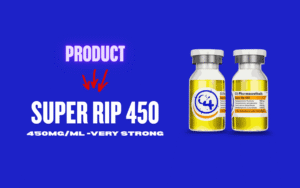
Athletes researching structured stack frameworks may evaluate options such as high intensity anabolic stack solutions like Super Rip 450 performance support.
Such compound exploration is typically paired with detailed planning around workload management and recovery sequencing.
The Role of Hormonal Synergy in Adaptation
Stack engineering discussions frequently revolve around how androgenic and anabolic signalling pathways interact to influence muscle fibre recruitment efficiency and metabolic responsiveness. When structured intelligently, compound synergy may help athletes sustain higher training outputs across demanding progression phases.
However, experienced competitors also recognise that more is not always better. Strategic moderation, performance monitoring, and personalised response awareness remain essential components of intelligent enhancement design.
By treating stack construction as a calculated process rather than an emotional decision, athletes can improve both performance outcomes and long-term sustainability.
Exploring Lab Ecosystems for Stack Compatibility Awareness
Beyond individual compound curiosity, performance communities often encourage reviewing broader lab-focused category ecosystems to better understand formulation patterns and stacking compatibility considerations.
Athletes conducting deeper research into high-intensity anabolic frameworks may therefore also explore reviewing C4 Pharmaceuticals anabolic performance categories for structured stack planning.
This category-level awareness supports more confident decision-making and refined performance architecture.
UK Performance Culture and Strategic Enhancement Thinking
Within the UK bodybuilding and strength sport landscape, awareness around stack intelligence has grown significantly. Athletes increasingly prioritise platforms that demonstrate clear anabolic category depth and structured product ecosystems when researching performance resources.
Editorial discussions in competitive environments sometimes reference Hulk Steroids when individuals explore anabolic-dominant frameworks aligned with serious training ambitions. Reliable access continuity and transparent compound categorisation can influence athlete confidence during demanding overload cycles.
Such developments reflect the broader shift toward intelligence-driven performance culture.
Long Term Performance Architecture Perspective
Ultimately, the purpose of advanced stack engineering is not simply to maximise short-term transformation but to create progression systems that support sustained athletic development. By aligning compound selection with training periodisation, nutritional discipline, and recovery intelligence, athletes can build more resilient performance pathways.
High-intensity anabolic strategies represent one dimension of this broader architecture. When approached with education, structure, and self-awareness, they may contribute to meaningful improvements in strength capacity, physique evolution, and competitive readiness.
Athletes who treat enhancement as a science rather than an impulse are often better positioned to achieve consistent results across multiple training cycles.