


Outdoor events in Australia are bigger and more ambitious than ever. Councils, schools, community groups and brands are all competing to deliver festivals, markets and concerts that feel professional, safe and memorable. The challenge is that open spaces rarely come with built-in infrastructure, especially when it comes to staging.
That’s where mobile trailer stages come into their own. Instead of piecing together a traditional stage from scratch, organisers can roll in a fully engineered platform that unfolds into a ready-to-use performance space in a fraction of the time.
In Melbourne’s fast-moving events scene, understanding how mobile stages work – and when to use them – can make the difference between a stressful bump-in and a smooth, polished show.
What Makes Mobile Trailer Stages Different?
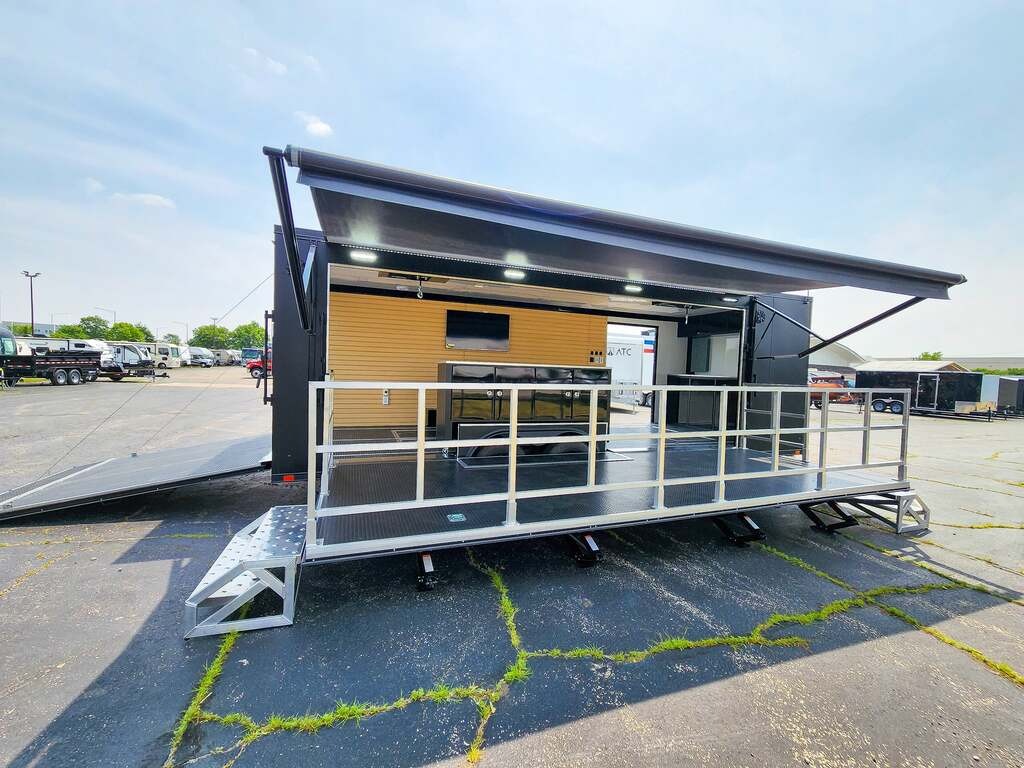
A trailer stage is essentially a complete stage system built onto a towable trailer chassis. When it arrives onsite, the structure is unfolded and elevated, with legs, decks and roof engineered to lock into place. That means many of the fiddly, labour-intensive tasks of a traditional build are eliminated.
Because the stage is a single integrated unit, it offers:
- Faster setup and pack-down compared to modular stages.
- Less heavy manual handling and fewer loose parts.
- A consistent, repeatable structure that crews already know how to work with.
For events that only have a few hours between site access and gates opening, this time saving is crucial. It also reduces labour costs and minimises disruption in public spaces, which is especially important for council-run events and community festivals held on shared grounds.
Why Mobile Stages Are Ideal for Festivals and Community Events
Outdoor community events are often held in parks, sports ovals, foreshore reserves or car parks. These sites can be challenging for traditional staging because access routes, ground conditions and power locations are never quite the same.
Trailer stages are designed with this in mind. A truck or suitable vehicle simply tows the unit to the best position, and the stage is levelled to suit the terrain. For organisers, this flexibility means you can orient the stage to make the most of natural slopes, shade and crowd flow, instead of being limited by where a large truck can unload tonnes of decking.
For multi-act music festivals, mobile stages also shine. The covered roof structure provides weather protection for performers and equipment, while side wings and upstage space can be used for backline, banners and lighting fixtures. The stage becomes a focal point that feels like a “real” concert platform, even in the middle of a local reserve.
Safety, Compliance and Weather Considerations
Public events come with serious responsibilities. You need a stage that is structurally sound, compliant with local regulations and appropriate for the likely weather conditions.
Reputable providers design their mobile stages to meet engineering and wind-load requirements, with certified documentation available for council permits and risk assessments. Guard rails, stairs, ramps and access points are all built into the system rather than improvised onsite.
Weather is another major factor. Even in good conditions, outdoor events must plan for sudden wind, rain and heat. A mobile trailer stage with a roof canopy gives some protection to performers and equipment, and the fixed structure is typically engineered and tested in a way that ad-hoc tarps and temporary builds are not.
For organisers, this reduces the risk of last-minute cancellations or unsafe work-arounds and makes approval processes with insurers and regulators smoother.
Production-Friendly Design for Sound, Lighting and Vision
A stage is only one part of the overall production. It has to work hand-in-hand with audio, lighting and visual systems so that the show not only looks great in person but also on camera and in social content.
Mobile stages are usually designed with rigging points, roof load capacities and side wings that cater for common setups: PA hangs, lighting bars, LED fixtures and banners. This gives production teams clear mounting options without having to construct extra truss or ground support structures.
When you’re planning stage lighting, hire melbourne or a full PA system for live music, having predictable rigging options on the stage itself makes it easier to design a clean, safe and visually impressive setup. Cable paths, power drops and monitor positions can be planned efficiently, which keeps the stage tidy and reduces trip hazards for performers.
Benefits for Sponsors, Performers and the Local Community
A well-presented stage doesn’t just help the logistics team – it also delivers more value to stakeholders.
Performers get a professional environment with proper access, shade and space to move, which usually translates into better shows. Sponsors benefit from prominent banner positions on or around the stage, improving the visibility of their support across photos and videos. Local communities see a polished, safe event they can be proud of, which builds trust and helps with attendance at future events.
Because mobile stages can be dressed with branded scrims, backdrops and lighting looks, the same physical structure can be adapted to feel very different from one event to another: a family-friendly daytime festival one weekend, a high-energy music showcase the next.
Choosing Mobile Stage Hire in Melbourne
When you’re considering options for mobile stage hire melbourne, it’s worth looking beyond dimensions and price. The best outcomes come from partnering with a provider who understands event production, local council requirements and the realities of working in public spaces.
Key questions to ask include:
Does the provider supply crew to set up and level the stage, or is it dry-hire only?
What are the wind ratings and load capacities for the roof and deck?
How does the stage integrate with audio, lighting and video systems?
Are stairs, ramps and safety rails included, and are they suitable for your performers and accessibility needs?
An experienced Melbourne company such as NextGen can walk you through different configurations and match the trailer size to your audience numbers, performance style and site constraints.
When Trailer Stages Are the Smart Choice
Mobile stages are particularly effective when:
- You have limited bump-in and bump-out windows.
- The event site is in a public or shared space with restricted access.
- Your program includes live music, speeches or presentations that need a clear focal point.
- You want a professional, repeatable setup you can use across multiple events each year.
For some events, a custom-built stage might still make sense. But for many outdoor festivals and community gatherings, trailer stages melbourne offer an ideal balance of professionalism, flexibility and cost-effectiveness.
By combining fast deployment, engineered safety and production-friendly design, mobile trailer stages allow organisers to focus less on construction and more on what truly matters: delivering an engaging, memorable experience for everyone who attends.