
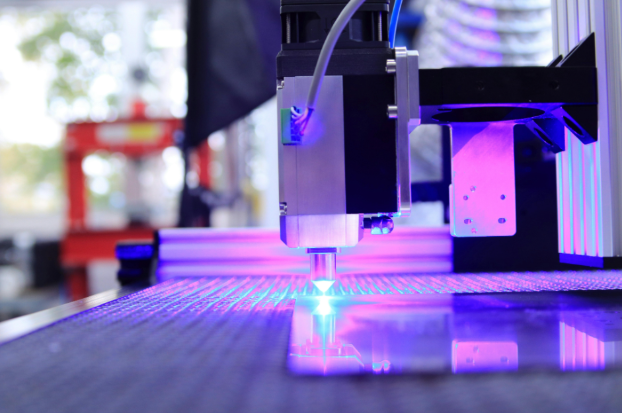


When it comes to the use of lasers in the workplace, it is crucial businesses ensure laser safety in order to protect employees from potential hazards. It’s imperative a comprehensive compliance checklist is utilized by companies so that a safe environment can be maintained while adhering to regulatory standards. A number of industries use lasers for their precision and efficiency but with significant risks posed, particularly to the eyes, safety must always be a priority.
Compliance checklists in the workplace ensure all necessary precautions are taken to protect workers. Laser safety glasses, which form a core component of comprehensive safety programmes, must be worn at at all times so that vision is secure by filtering specific wavelengths of the laser light.
Identifying laser hazards and risks
Creating a laser safety compliance checklist involves identifying all potential risks and hazards. This means assessing the types of lasers that the business is using and looking at the power output and specific wavelengths they emit. A solid understanding is required by the company so that appropriate measures can be taken to ensure the safety of workers.
Carrying out a thorough risk assessment is required to identify situations were protective equipment like laser safety glasses are necessary. This helps business ensure that every staff member is equipped with the right protective gear depending on the specific lasers they work with on a daily basis. By taking a proactive approach, business protect the workforce, not only from immediate harm, but from long-term health risks associated with laser emissions and particularly repeated exposure.
It’s imperative organizations document and categorize all laser hazards based on their classification levels. Class 3B and Class 4 lasers present the highest risks and require the most stringent safety protocols, including mandatory use of appropriate laser safety glasses and controlled access areas. Environmental factors must also be taken into account, from reflective surfaces and beam paths to potential indirect exposure that may not always be obvious.
Implementing safety standards and training
Compliance with safety standards is a fundamental aspect of operating lasers safely in any workplace. The ANSI Z136 series comprises American National Standards for the safe use of lasers, providing foundational guidelines for classification and control measures, including the use of protective eyewear. Adhering to these standards helps workplaces maintain a safe environment for all employees.
Training is a key component of laser safety and so all employees should be educated on the potential hazards around laser use. Each individual should be well aware of the need to wear laser safety glasses and other equipment required for protection during the working day. Workers must be updated on the latest safety protocols by attending regular training sessions. By every person having a strong understanding of the latest standards and practices, businesses can be confident there is a strong culture of safety in the workplace.
Ensuring access to appropriate protective equipment
Companies owe a duty of care to employees who themselves must take care of their well-being from week to week after a busy and stressful time on site. With this in mind, it is crucial all workforces have constant access to the right protective equipment in order to maintain laser safety compliance. Businesses simply wouldn’t be compliant if a situation ever arose that a staff member did not have the correct equipment to ensure safety while performing the job. For example, providing a range of wavelength-specific laser eye protection safety glasses to cater to the different types of lasers used in the workplace is a must. Such glasses provided by NoIR Insight are designed to block harmful wavelengths while still allowing the wearer to see clearly and perform tasks safely.
Adhering to the rules means ensuring even those indirectly exposed to lasers, from support staff to visitors to the site, have access to the appropriate protective eyewear. This reinforces the importance of laser eye protection glasses and laser eye protection goggles.